
The global transition toward a decentralized energy landscape represents the most profound shift in utility infrastructure since the inception of the commercial power grid over a century ago. This evolution is driven by the urgent need to integrate renewable sources like wind and solar, alongside the mass adoption of electric vehicles and high-capacity battery storage systems. Unlike the static grids of the past, today’s smart grid functions as a dynamic, bidirectional ecosystem where data is just as critical as the electrons themselves. Every charging station, residential solar inverter, and industrial heat pump acts as a digital node, creating a complex web of connectivity that enhances efficiency but also introduces systemic vulnerabilities. As governments and private enterprises commit trillions of dollars to this energy transition between 2026 and 2030, the focus has shifted from mere capacity building to ensuring the integrity of the digital backbone. The inherent complexity of these interconnected systems means that a single breach can ripple through the entire economy, making cybersecurity not just a technical necessity but a foundational pillar of modern infrastructure investment. This new reality has forced a paradigm shift in how utilities approach risk management, moving beyond physical security to a comprehensive digital defense strategy.
The Architecture: Designing a Modern Decentralized Grid
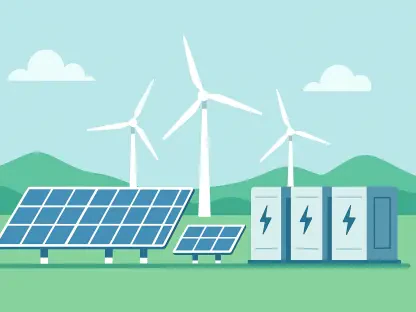
The core of this new energy paradigm is the integration of Distributed Energy Resources (DERs), which effectively turns passive consumers into active participants in the energy market. In this decentralized model, rooftop solar panels and localized battery units feed power back into the grid, requiring sophisticated management software to balance volatile supply and demand in real-time. This coordination is facilitated by Advanced Metering Infrastructure and high-speed communication protocols that allow grid operators to see and control assets at the edge of the network. However, the sheer volume of these internet-facing devices creates a massive, distributed attack surface that is difficult to monitor using traditional centralized security methods. Each smart meter and connected inverter serves as a potential gateway for malicious actors to infiltrate the broader utility network, moving laterally to reach critical command centers. The shift from a few massive power plants to millions of micro-generation sites has fundamentally altered the security requirements of the energy sector, necessitating a move away from perimeter-based defense toward a more granular, device-level security approach that can scale alongside the growing number of connected assets.
Integrating artificial intelligence and machine learning algorithms is essential for processing the petabytes of data generated by these decentralized nodes, but this reliance also introduces sophisticated new risks. These AI-driven systems are tasked with predicting weather patterns, optimizing load shedding, and managing frequency regulation, all of which are vital for grid stability in an era of intermittent renewable energy. However, researchers have identified that these same algorithms are vulnerable to adversarial attacks, where subtle manipulations of input data can cause the AI to make catastrophic operational errors. For instance, poisoning the training data for a grid-balancing model could lead to localized blackouts or permanent hardware damage by tricking the system into over-stressing specific transformers. This vulnerability highlights the reality that the smart grid is no longer just a physical asset; it is a software-defined entity that requires the same level of rigorous code auditing and data integrity verification as a financial transaction platform. Consequently, the focus of grid modernization has expanded to include robust data validation frameworks and redundant decision-making protocols that can detect and mitigate the impact of corrupted information before it affects the physical stability of the power supply.
Threat Vectors: Navigating the Multi-Dimensional Landscape
One of the most pressing concerns for modern utility providers is the inherent vulnerability of the physical hardware deployed at the grid’s edge. Millions of smart meters and IoT-enabled sensors often run on lightweight firmware that lacks the computational power to support advanced encryption or frequent security updates. This creates a legacy problem where hardware installed today might remain in the field for fifteen years, quickly becoming a liability as hacking techniques evolve. Attackers can exploit insecure wireless protocols or physical access to these devices to gain unauthorized entry, using them as reconnaissance tools to map the internal network of a utility company. Furthermore, the supply chain for these components is often global and fragmented, raising concerns about backdoors or pre-installed malware in critical sensors. Addressing these hardware risks requires a shift toward more secure-by-design manufacturing processes and the implementation of automated patch management systems that can reach every corner of the grid. Investors are increasingly favoring companies that specialize in secure silicon and hardware-based roots of trust, recognizing that the physical layer of the grid must be as resilient as the software that manages it.
Beyond individual device vulnerabilities, the threat of large-scale cyber-physical attacks remains a top priority for national security agencies and grid operators alike. Techniques such as False Data Injection (FDI) involve sending spoofed signals to control centers to simulate a phantom voltage drop or an artificial frequency spike. If the grid’s automated response systems act on this fraudulent data, they might disconnect large portions of the load or shut down generating units, leading to widespread power outages that could take days to resolve. As more high-power devices like fast-charging EV stations and industrial electrolyzers are integrated into the grid, the potential for synchronized attacks grows exponentially. A coordinated effort to rapidly toggle these loads could destabilize the grid’s frequency, causing physical damage to turbines and massive power-electronics failures. This necessitates the deployment of high-fidelity monitoring tools that can distinguish between natural grid fluctuations and intentional malicious interference. The development of these advanced detection systems is becoming a critical sub-sector of the energy technology market, as utilities seek to fortify their operational technology environments against sophisticated state-sponsored and criminal actors who view the grid as a high-value target for disruption.
Security Innovation: Strategic Defensive and Investment Trends
In response to these complex threats, the industry is rapidly transitioning toward security architectures built on Zero-Trust principles, moving away from the outdated castle-and-moat approach. In a Zero-Trust environment, no user or device is granted inherent access; instead, every transaction, command, and data exchange must be continuously verified and authenticated regardless of its origin within the network. This granular control is vital for managing a decentralized grid where thousands of third-party vendors and residential devices interact with the central utility system daily. At the same time, forward-thinking organizations are beginning to implement Post-Quantum Cryptography to safeguard sensitive data and long-term infrastructure assets against future advancements in computing. Since many grid components have a long operational lifespan, the encryption standards deployed today must be capable of withstanding the decryption capabilities of next-generation processors. This proactive stance on encryption and authentication is not only a security measure but also a competitive advantage for technology providers, as utilities increasingly require these features in their procurement contracts to ensure long-term regulatory compliance and operational continuity in a changing threat environment.
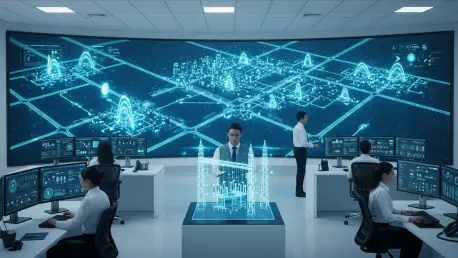
The massive demand for resilient energy infrastructure has created a significant investment opportunity for companies that can bridge the gap between heavy industrial equipment and cutting-edge cybersecurity. Firms like GE Vernova have taken a leading role by launching specialized platforms like GridOS, which integrates Zero-Trust security and real-time orchestration directly into the grid’s operating system. These platforms utilize Digital Twin technology to create high-fidelity virtual replicas of the physical grid, allowing operators to run what-if scenarios and simulate cyberattacks in a safe, sandboxed environment. By testing the resilience of their systems against simulated FDI attacks or DDoS surges, utilities can identify weaknesses and refine their incident response plans before a real-world event occurs. This shift toward cyber-informed engineering means that security is no longer an afterthought added to existing systems but is baked into the design of every new substation and wind farm. For investors, this represents a pivot toward companies that offer comprehensive lifecycle management for energy assets, combining physical durability with advanced digital protection. As global capital continues to flow into the energy transition through 2027 and 2028, the market value of energy infrastructure will increasingly depend on its ability to remain operational under the most extreme digital duress.
Future Resilience: Implementing Systemic Safeguards
The transformation of the energy sector into a data-driven, decentralized network necessitated a fundamental reassessment of how modern societies protected their most critical resource. As the transition progressed, it became clear that securing the smart grid required more than just reactionary software patches; it demanded a holistic integration of cybersecurity into the very fabric of electrical engineering. Organizations that prioritized the early adoption of Zero-Trust frameworks and robust hardware standards positioned themselves as leaders in the new energy economy, while those that neglected these risks faced increasing operational and financial liabilities. The industry eventually focused on standardizing communication protocols across all DER manufacturers to eliminate the fragmentation that previously invited exploitation. Regulatory bodies and private investors demanded transparency in the digital supply chain, ensuring that every component from a residential inverter to a utility-scale battery was vetted for security. By fostering a culture of continuous monitoring and investing in the next generation of cryptographic defenses, the global community successfully transformed the grid into a resilient foundation for a sustainable future. The lessons learned during this period emphasized that the true value of the energy transition lay not only in its carbon-neutral output but also in the unbreakable integrity of the systems that delivered it.