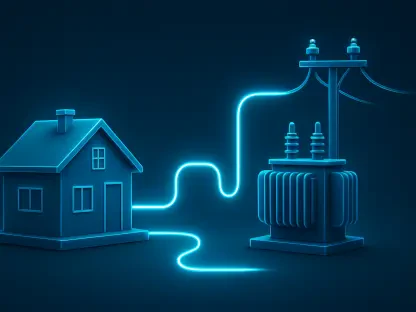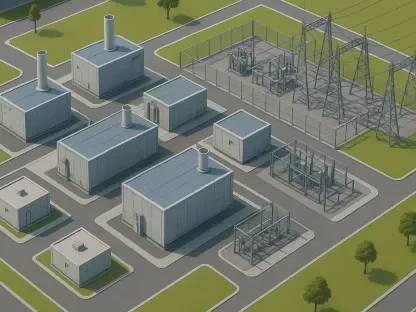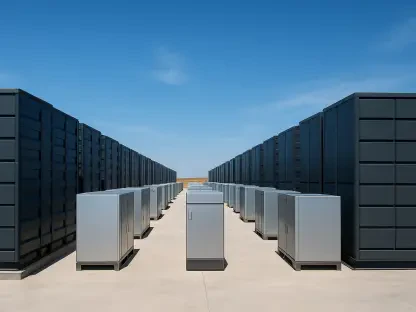

The second-quarter earnings reports for the United States utility sector in 2026 represent a monumental pivot from simple asset expansion toward a sophisticated emphasis on operational execution and consumer financial protection. As the voracious energy demands of artificial intelligence and industrial electrification collide with rising interest rates, the industry is forced to reconsider its long-term roadmap. The current landscape is defined by a central question of how to fund a modernized grid without placing an undue burden on the average American household. This roundup explores the consensus among industry analysts and regulators regarding the transition from aggressive capital deployment to a disciplined recovery model that prioritizes the public interest.
The Shift From Expansion to Execution in the Energy Sector
The landscape of American utilities is undergoing a profound transformation as the industry moves beyond a decade of stagnant demand into an era of unprecedented expansion. Driven by the voracious power appetite of AI-integrated data centers and industrial electrification, the sector is experiencing a renaissance of capital investment. This surge in volume is welcome after years of flat growth, yet it brings a new set of complexities that require a shift in managerial philosophy.
Utility executives are now finding that the old playbooks for infrastructure development are insufficient in a market that demands both speed and extreme cost efficiency. While the potential for revenue growth remains exceptionally high, the financial environment is less forgiving than in previous cycles. Consequently, the focus has moved toward ensuring that every new project can withstand the intense scrutiny of regulatory commissions that are increasingly focused on the bottom line for the end user.
Navigating the Friction Between Massive Demand and Consumer Protection
Balancing the need for a more robust grid with the necessity of keeping service affordable has become the primary tension point for utilities across the country. Regulators are no longer simply rubber-stamping capital expenditure requests; instead, they are demanding proof of direct benefits to the existing customer base. This environment has created a friction between the massive infrastructure requirements of the digital economy and the protective mandates of state and federal oversight bodies.
The Rise of the Affordability Constraint as a Market Guardrail
While the potential for revenue growth has never been higher, the affordability constraint has emerged as the most significant barrier to utility expansion. Regulators and advocacy groups are increasingly wary of gold-plating the grid at the expense of residential customers, leading to initiatives like the Ratepayer Protection Pledge. This movement emphasizes that utility expansion must not come at the cost of basic financial security for the public.
Utilities are consequently being forced to pivot from aggressive capital spending to a model of disciplined recovery. In this environment, every dollar of capital expenditure must be justified through its direct benefit to the existing customer base rather than speculative future returns. Industry analysts suggest that this shift will likely slow the pace of certain non-essential projects while focusing resources on core reliability.
Rethinking Cost Allocation to Shield Residential Ratepayers
As massive industrial loads—specifically from the tech sector—threaten to drive up localized energy prices, a new regulatory philosophy is taking root. Instead of traditional socialized rate structures, there is a growing movement toward insulating incumbent customers by placing the financial burden of new infrastructure on the large-scale entities that necessitate it. This ensures that the costs of data center expansion are borne by the companies profiting from them.
Experts analyze how fixed-cost dilution is being used as a strategic argument to prove that industrial growth can actually lower costs for everyone by spreading system expenses across a wider volume of sales. If managed correctly, the entry of high-capacity users can reduce the per-unit cost of electricity for residential homes. However, this outcome requires a precise and transparent allocation of grid modernization costs to ensure that the dilution benefit is actually passed down to the consumer.
The Disconnect Between Order Backlogs and On-the-Ground Deployment
The ambition of utility executives often hits a wall when confronted with the physical realities of the global supply chain. With turbine manufacturers reporting historic backlogs exceeding 100 GW, the gap between planned and operational infrastructure is widening. This logistical bottleneck suggests that the rapid pace of the energy transition may be throttled not by a lack of capital, but by a simple lack of physical components.
Furthermore, the shortage of skilled labor to install and maintain this specialized equipment adds another layer of difficulty to the execution phase. Utilities that cannot secure their supply chains or find qualified technicians risk falling behind their promised delivery schedules. This discrepancy between the massive order books of manufacturers and the slow on-the-ground deployment remains a point of skepticism for many market observers.
Political Oversight and the Impact of the 2026 Midterm Elections
Utility strategy is no longer confined to the boardroom; it is now a central pillar of the American political discourse. With the 2026 midterm elections on the horizon, state and federal leaders are leveraging utility rates as a key campaign issue, leading to more aggressive interventions in rate cases. Candidates across the political spectrum are championing ratepayer rights as a way to address broader inflation concerns.
This political pressure is forcing utilities to adopt a more transparent approach to project management, shifting the measure of success from the size of the capital budget to the efficiency of service delivery. Transparency in how projects are selected and funded has become a requirement for maintaining political favor. As a result, many utility boards are prioritizing community engagement and regular reporting to demonstrate their commitment to fiscal prudence.
Strategies for Harmonizing Shareholder Returns with Public Interest
To thrive in this new era, utilities must transition toward a performance-based model that prioritizes operational excellence over simple asset accumulation. Recommendations for the sector include adopting granular cost-tracking technologies and engaging in proactive dialogue with regulators to establish tiered rate classes. These technologies allow for a more precise understanding of where investments are needed and how they affect different customer segments.
Securing long-term supply chain agreements is also essential to mitigate equipment delays and cost overruns. By demonstrating that grid modernization enhances reliability without causing rate shock, utilities can maintain the public trust necessary to support their long-term decarbonization goals. This requires a shift from being a passive infrastructure provider to an active manager of a complex and evolving energy ecosystem.
The Future of the Grid: Toward a Model of Disciplined Growth
The second-quarter findings of 2026 served as a clear signal that the growth-at-all-costs era reached its limit. The path forward for US utilities required a sophisticated balancing act that satisfied the massive energy requirements of the digital age while respecting the economic constraints of the average household. Market leaders recognized that the successful expansion of the grid depended on the ability to decouple infrastructure investment from rising monthly bills.
Ultimately, the winners in this sector were those who proved that a bigger grid could also be a more equitable one. The ability to execute on these complex projects with transparency and fiscal prudence remained the defining challenge of the American energy transition. The transition from pure expansion toward disciplined growth provided a blueprint for how utilities could support a tech-driven economy while safeguarding the financial interests of the public.