
Establishing transparent accounting for emissions from feedstock sourcing to final combustion is essential for certifying any fuel as genuinely sustainable. As the global community accelerates its departure from conventional petroleum products, the market has seen a surge in hydrogen, e-fuels, and advanced biofuels. However, the mere transition to these alternative sources does not automatically yield a net benefit for the atmosphere. The actual climate value of these energy carriers is determined not by their chemical classification or marketing terminology, but by the comprehensive rigor applied across their entire value chain. To ensure a successful energy transition, global stakeholders must move beyond the superficial alternative label and focus on the environmental integrity of the fuel’s lifecycle. This requires a shift from viewing fuels as inherently green to analyzing them as complex industrial products with diverse impacts. This perspective prevents new investments from simply replacing one carbon problem with another.
Resilience Through Domestic Innovation and Security
The drive for a diverse fuel portfolio is increasingly motivated by a critical convergence of geopolitical strategy and environmental necessity. By developing robust domestic production capabilities for hydrogen and synthetic e-fuels, nations are attempting to insulate their economies from the inherent volatility of international energy markets and sudden geopolitical shocks. This diversification acts as a powerful stabilizing force for vital industrial inputs, shielding manufacturers from price spikes while simultaneously serving as a catalyst for local economic growth through the creation of new export industries and greater energy sovereignty. In this context, the transition is as much about national security as it is about carbon reduction. The focus on localizing energy production ensures that the benefits of the green economy are captured within borders, providing a hedge against the unpredictability of global supply chains that have historically plagued fossil fuel dependencies.
Beyond immediate security concerns, alternative fuels play an indispensable role in addressing hard-to-abate sectors that remain largely unreachable by current electrification methods. Heavy-duty industries such as transoceanic shipping, long-haul aviation, steel manufacturing, and heavy trucking are responsible for roughly one-third of global carbon emissions. These specific sectors require immense energy density or specialized high-temperature processes that even the most advanced battery technologies cannot yet efficiently provide. Consequently, specialized alternative fuels are viewed as a vital bridge toward total decarbonization and long-term climate stability. However, the deployment of these fuels must be targeted precisely at these high-demand applications rather than used as a general substitute for electricity in passenger vehicles. Maintaining this strategic focus ensures that the limited supply of high-integrity fuels is used where it provides the maximum possible displacement of traditional high-carbon fuels.
Validating Environmental Benefits via Lifecycle Analysis
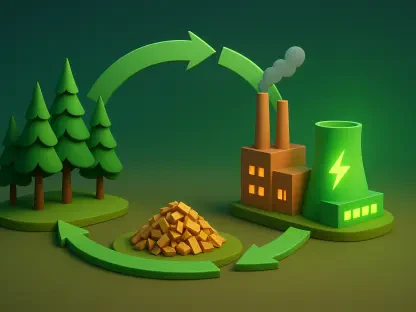
A primary finding in contemporary energy research suggests that sustainability is a variable feature of production and management rather than an inherent property of any specific molecule. Without the application of rigorous lifecycle assessments, certain alternative pathways can inadvertently result in higher total emissions than the fossil fuels they are meant to replace. For instance, plant-based biofuels can trigger catastrophic deforestation if land-use changes are not managed with extreme precision, potentially releasing sequestered carbon and destroying biodiversity. Similarly, the climate benefits of hydrogen are easily negated if production methods involve significant methane leakage during gas extraction or rely on carbon-heavy electricity for electrolysis. This vulnerability underscores the necessity of a well-to-wheel perspective that examines every stage of the process. If the energy required to produce a fuel is higher than the carbon it saves, the entire enterprise becomes a net negative for global environmental goals.
Furthermore, the hidden carbon burdens of synthetic e-fuels must be addressed with urgency to prevent the locking in of high-emissions infrastructure that could persist for decades. If these synthetic fuels are manufactured using fossil-heavy electricity grids or through inefficient industrial processes, they often fail to provide the intended environmental relief. To mitigate these risks, the overarching priority in any energy strategy must remain on direct electrification using renewable sources wherever it is technically feasible. Using alternative fuels should be reserved for those specific industrial applications where direct electricity is not a viable option due to physical or economic constraints. By prioritizing efficiency first, the energy sector can avoid the unnecessary waste that occurs when converting electricity into chemical fuels and back into work. This disciplined approach ensures that every megawatt of renewable power generated contributes to the largest possible reduction in atmospheric greenhouse gas concentrations.
Building a Global Regulatory Framework for Compliance
To ensure that capital investments yield real climate value, a disciplined and standardized policy framework is required to govern the production and distribution of new fuels. This strategy involves funneling financial support toward scientifically vetted low-impact pathways while mandating transparent accounting for emissions from initial sourcing through to final combustion. Best-in-class regulatory standards are also necessary to prevent the leakage of potent greenhouse gases, particularly methane and hydrogen, which can occur during transport and storage phases. Such a framework must be built on data-driven metrics rather than political convenience, requiring producers to prove the carbon intensity of their products through audited reporting. By creating a level playing field where environmental integrity is rewarded, policymakers can stimulate innovation in carbon-capture technologies and ultra-clean production methods that are essential for meeting the targets established by the international community.
The global energy landscape reached a pivotal crossroads where the decisions made regarding fuel standards determined the ultimate success of future energy infrastructure. Ambition without integrity posed a significant risk, as ignoring the granular details of the fuel value chain risked trading immediate carbon emissions for long-term environmental liabilities. To address these challenges, experts recommended that nations harmonize international sustainability standards to prevent carbon leakage across borders and ensure market stability. Moving forward, the integration of science-led governance and stakeholder-inclusive policies proved essential for transforming alternative fuels into a robust cornerstone of economic resilience. This evolution required the implementation of continuous monitoring systems and the adoption of adaptive management strategies to address emerging technical hurdles. Ultimately, the transition to alternative fuels was successful only when it was underpinned by a commitment to total transparency.