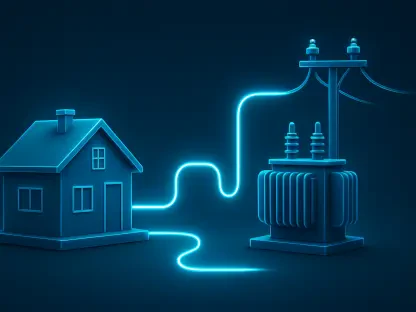

The repurposing of a large-scale manufacturing facility in Morgan Hill, California, marks a significant milestone in the effort to domesticate the production of medium voltage power electronics. This shift comes at a time when the United States is racing to secure its energy future through massive investments in grid-scale storage and advanced power management systems. As the demand for electricity continues to surge—driven largely by the expansion of power-hungry data centers and the integration of intermittent renewable sources—the industry is moving beyond its early experimentation phase into a period of mature, large-scale industrialization. This transition is not merely about building more batteries; it represents a fundamental restructuring of how energy is managed, financed, and regulated across the North American continent. By leveraging federal incentives and attracting veteran leadership from the electric vehicle sector, the market is hardening its infrastructure to ensure long-term stability and energy independence.
Advancing Power Electronics and Industrial Leadership
Strategic Investment: Navigating the Executive Pedigree
The professionalization of the energy storage market is best illustrated by the rise of Heron Power, which recently finalized a $60 million credit facility through J.P. Morgan and TriplePoint Capital. This financial milestone followed an impressive $140 million Series B funding round earlier this year, which drew significant interest from elite investment groups. Such capital inflows suggest a growing confidence among institutional investors that the domestic power electronics sector is ready for prime time. The influx of cash is being utilized to transition the firm from a high-tech engineering startup into a major industrial powerhouse capable of meeting the rigorous demands of modern grid operators.
Beyond the financial figures, the strategic value of the company lies in its leadership, which features a team deeply rooted in the success of major electric vehicle manufacturing. By adding seasoned financial officers to its board, the company is guiding its organization through the complexities of high-volume production and long-term profitability. This expertise in managing capital-intensive production cycles is critical as firms attempt to navigate the transition from prototype development to consistent, large-scale output. This leadership shift signals a new era where operational excellence is as valued as technological breakthroughs, providing a blueprint for other startups in the sector.
Industrial Expansion: Repurposing Domestic Facilities
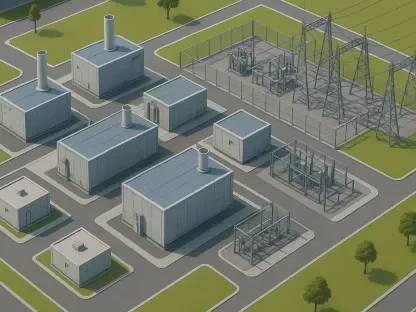
At the heart of this industrial expansion is the physical infrastructure required to produce the next generation of power conversion systems. The 286,000-square-foot facility in Morgan Hill is specifically designed to accommodate the mass production of signature 5MW medium-voltage systems. These units have already generated immense market interest, with over 40 gigawatts of potential customer demand identified across various utility sectors. The scale of this facility reflects the increasing necessity for domestic manufacturing solutions that can reliably support both renewable energy storage and the massive energy requirements of modern data centers.
The drive toward domestic manufacturing is not an isolated event but part of a broader industry-wide push to replace international components with American-made alternatives. As utility companies and data center operators look for more reliable ways to manage their electricity loads, the demand for sophisticated electronics that can handle high-voltage applications has skyrocketed. Securing a robust domestic supply chain is positioning the sector to respond more dynamically to the shifting needs of a digital economy that requires constant, uninterrupted power. By bringing production closer to the point of consumption, companies are effectively mitigating the risks associated with international supply chain disruptions.
Shifting Strategies in Battery Manufacturing
Market Evolution: Shifting Toward Utility-Scale Solutions
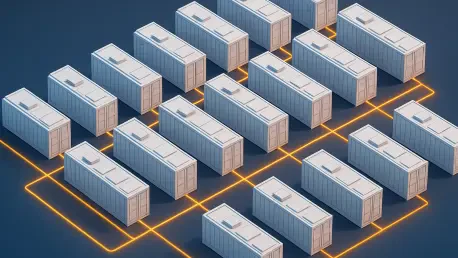
The manufacturing landscape is undergoing a similar transformation as established players aggressively pivot their business models to capture the burgeoning utility-scale market. Traditionally focused on residential storage solutions, companies are now securing large senior credit facilities to fund massive expansions in regions like Georgia. This infusion of capital is being directed toward massive manufacturing plants that signify a departure from small-scale battery systems toward high-capacity Battery Energy Storage Systems. This strategic shift is a direct response to the massive demand for storage reservoirs that can support the grid as it integrates more intermittent renewable energy sources.
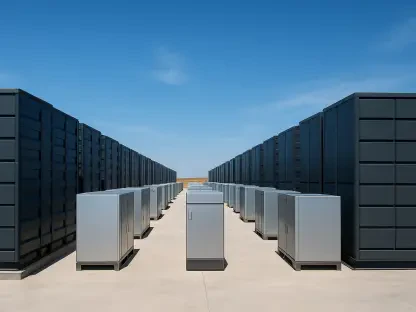
The new production facilities are designed with an initial annual capacity of 2 gigawatt-hours, with the structural flexibility to scale up to 8 gigawatt-hours as demand continues to rise. This scalability is essential for a market that is expected to see exponential growth. By focusing on utility-scale solutions, domestic manufacturers are positioning themselves to compete with international giants while taking advantage of the geographical benefits of manufacturing in the American Southeast. This region has rapidly become a hub for clean energy technology, offering access to a skilled workforce and favorable logistics for shipping large-scale battery systems across the entire country.
Complex Collaborations: Balancing Global and Local Content
Building a truly domestic supply chain in the energy storage sector requires a delicate balance between leveraging international technical expertise and adhering to strict domestic content requirements. Manufacturers often enter into complex joint ventures structured to ensure that the majority of control and economic benefit remains within the United States. This arrangement is specifically designed to navigate the Foreign Entity of Concern regulations, which have become a cornerstone of American energy policy. By maintaining high domestic ownership, companies can utilize global technical support without jeopardizing their status as domestic manufacturers eligible for federal incentives.
The focus on local content is not merely a matter of national pride but a financial necessity driven by the current tax landscape. Federal incentives are increasingly tied to the percentage of American-made components within a storage system, making domestic manufacturing a core component of any viable business strategy. This joint venture model provides a pathway for companies to access specialized knowledge in battery cell manufacturing—an area where international firms have historically held a lead. However, the requirement for effective control by domestic entities means these partnerships must be carefully documented. This balance of global cooperation and domestic oversight is creating a unique industrial ecosystem.
Mastery of the Regulatory and Compliance Environment
Regulatory Compliance: Managing Foreign Entity Restrictions
As federal mandates regarding Foreign Entities of Concern become more stringent, compliance has evolved from a legal formality into a critical financial imperative for energy developers. Projects that began construction after January 1, 2026, are subject to rigorous guidelines that determine their eligibility for the full 30% Investment Tax Credit. The stakes are incredibly high, as any failure to verify the origin of battery components or the ownership structure of sub-suppliers could result in the total loss of these subsidies. This is not just about missing out on a bonus; it is about the potential collapse of a project’s financial viability in an increasingly competitive market.
The challenge of meeting these requirements is compounded by the fact that battery cells account for more than half of the total cost of grid-scale equipment. According to federal safe harbor guidelines, the provenance of these cells is the single most important factor in determining whether a project meets the domestic content threshold. This has created a high-stakes environment where developers must perform deep due diligence on their original equipment manufacturers. Consequently, the energy sector is seeing a massive shift in how contracts are negotiated and how materials are sourced. There is now a premium on transparency, with developers willing to pay more for components that come with a guaranteed origin.
Administrative Resilience: The Role of Compliance Services
The extreme complexity of tracking material costs and battery cell provenance has given rise to a new niche in the market involving specialized compliance and advisory services. These service providers offer essential tools for cell provenance tracing and the development of contract language that ensures effective control provisions are strictly met. Many developers currently lack the internal infrastructure to perform the rigorous screening required for tax equity diligence, making these third-party services indispensable. By providing a clear audit trail for every component in a battery system, these firms are helping to bridge the gap between technical engineering and federal tax law.
In addition to federal regulations, the sector must also contend with a patchwork of regional hurdles, such as local battery storage moratoriums that can stall project development indefinitely. Specialized compliance firms are addressing this by implementing monitoring tools that track local government decisions and zoning changes in real-time. This level of granular data allows developers to pivot their strategies before significant capital is committed to a problematic location. By establishing a robust framework for compliance, the industry is hardening its infrastructure against legal and political risks. This comprehensive approach ensures that future energy storage installations are technologically sound and financially resilient.
Economic Outlook: Building a Resilient Energy Infrastructure
The evolution of the United States energy storage sector during this pivotal period was marked by a decisive shift toward industrial maturity and domestic self-reliance. By securing billions in capital and repurposing massive manufacturing facilities, the industry demonstrated its readiness to support the nation’s burgeoning energy needs. Leaders successfully managed the transition from niche applications to utility-scale dominance, ensuring that the grid could handle the requirements of a high-tech economy. The proactive adoption of rigorous compliance standards transformed regulatory risk into a competitive advantage, attracting a new wave of institutional investment.
Moving forward, stakeholders prioritized the diversification of their material sourcing and the implementation of advanced supply chain tracing technologies. Maintaining a focus on long-term scalability and operational efficiency was essential for those seeking to lead in the next phase of the energy transition. The successful integration of global expertise with domestic control allowed the market to flourish despite tightening regulations. Ultimately, the industry established a solid foundation that balanced technological innovation with the hard realities of manufacturing and federal law. This strategic approach provided a roadmap for achieving energy independence while fostering a robust, American-led storage ecosystem.