


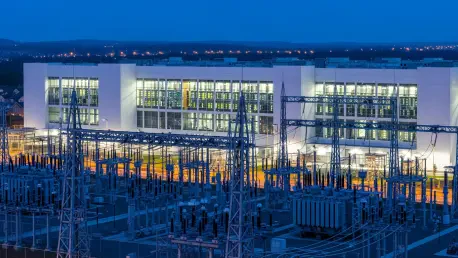

The rapid expansion of artificial intelligence infrastructure is no longer confined to the realms of digital innovation, as it now translates into a staggering $6.3 billion increase in projected electricity costs for residents and businesses across the Washington, D.C. metropolitan area. This financial shift represents the tangible cost of housing the world’s most dense concentration of data centers, where the relentless processing power required for machine learning models consumes vast quantities of energy. Local utilities find themselves at a crossroads, attempting to balance the lucrative growth of the tech sector with the essential need to provide affordable power to millions of households. As data centers continue to proliferate throughout Northern Virginia and Maryland, the economic ripple effects are being felt far beyond the server rooms. The situation has ignited a fierce debate over who should bear the burden of these infrastructure upgrades, highlighting a growing friction between the global digital economy and the local communities that provide its physical foundation.
Grid Dynamics and the Supply Bottleneck
The organization responsible for managing the power grid across thirteen states and the District of Columbia, PJM Interconnection, currently faces an unprecedented supply-and-demand imbalance that threatens long-term price stability. While data centers can be constructed and brought online in as little as eighteen to twenty-four months, the heavy-duty energy infrastructure required to power them, such as high-voltage transmission lines and new generation plants, often takes a decade or longer to plan and build. This significant discrepancy in timelines has created a critical bottleneck that leaves the regional grid under immense pressure during periods of peak load. Because the system was not originally designed to handle such concentrated pockets of hyper-growth, the costs of maintaining reliability are skyrocketing. PJM recently reported that these regional constraints are driving up clearing prices in capacity auctions, which serves as a leading indicator of the higher rates that will eventually appear on consumer utility bills.
To address these systemic challenges, grid operators are exploring accelerated processes for connecting new renewable energy projects and natural gas facilities to the existing network. They are also implementing demand-response programs that incentivize the largest industrial energy users to curtail their consumption during hours when the system is most stressed. Despite these efforts, the sheer scale of the AI boom necessitates a fundamental rethink of how regional power markets operate in a high-demand environment. The recent spike in auction prices reflects the premium that must be paid to ensure there is enough electricity to meet the 24/7 requirements of hyperscale facilities. This trend suggests that unless new generation comes online at a much faster pace, the financial burden of grid stability will remain heavy. Furthermore, the reliance on older, more expensive power sources to fill the gap further complicates the transition toward a greener energy mix while simultaneously pushing prices higher for the average ratepayer.
Environmental Impacts and Community Opposition
While municipal governments often welcome the significant tax revenue generated by data center developments, the sentiment among local residents has shifted toward skepticism and open opposition. Recent surveys indicate that a vast majority of the public is becoming increasingly wary of having these massive, windowless structures located in close proximity to residential neighborhoods. Beyond the financial impact of rising electricity costs, there is a deep-seated concern regarding the environmental footprint of these facilities, particularly their massive consumption of water for cooling purposes. In regions already facing seasonal droughts, the diversion of millions of gallons of water to cool server racks is seen as a direct threat to local sustainability. Additionally, the conversion of natural green spaces and agricultural land into industrial zones has sparked a backlash from environmental advocates who argue that the loss of biodiversity and carbon-absorbing forests is a price too high to pay for digital convenience.
In Northern Virginia, which remains the global epicenter for data center activity, the tension has reached a breaking point as homeowners protest the expansion of massive transmission infrastructure. Residents in Loudoun and Prince William counties are actively fighting the construction of high-voltage power lines that, in some cases, stand nearly as tall as the Statue of Liberty and bisect historic landscapes. These individuals argue that the physical and aesthetic degradation of their communities serves only to support the global digital economy, providing little to no direct benefit to the families living in the shadow of the towers. The perception that local populations are being forced to subsidize the expansion of multi-billion-dollar tech giants has led to a surge in grassroots activism and legal challenges. This movement is not just about the view from a backyard; it is a fundamental disagreement over the prioritization of industrial growth versus the preservation of the suburban and rural character of the region.
Regulatory Responses and Regional Policy Shifts
Recognizing the growing inequity in how infrastructure costs are distributed, the Virginia state government has begun implementing legislative measures to ensure tech companies pay their fair share of grid upgrades. New regulatory frameworks are designed to decouple the costs of specialized high-voltage lines from the general rate base, ensuring that the developers of data centers cover the multi-million dollar price tags of the connections they require. This shift marks a significant departure from previous policies that often allowed these expenses to be socialized across all utility customers, including low-income households and small businesses. By holding large-scale developers financially accountable for their specific energy needs, state officials aim to protect vulnerable residents from the inflationary pressures of the AI boom. These policy adjustments have already diverted substantial costs away from the public, signaling a new era of corporate responsibility in the energy sector where the primary user pays for the impact they create.
In neighboring Maryland, local leaders are taking an even more cautious approach to the expansion of the digital economy by placing strategic pauses on new developments. Prince George’s County recently enacted a two-year moratorium on data center projects to allow for comprehensive studies on how these facilities affect local water tables and environmental ecosystems. This cooling-off period is intended to give planners the time necessary to establish strict zoning laws and environmental standards that must be met before any further construction is authorized. Such actions reflect a broader regional trend where community stability and environmental protection are prioritized over the promise of immediate economic gains. By taking this proactive stance, local officials hope to avoid the infrastructure pitfalls and public outcry seen in other high-density data center corridors. This legislative caution serves as a model for how other jurisdictions might manage rapid industrial growth without sacrificing the quality of life or the ecological health of their territories.
Economic Connectivity and Future Implications
Even though the District of Columbia lacks the physical space to host many hyperscale data centers, its residents are not immune to the financial consequences of the regional energy surge. Because Washington, D.C. is part of the same interconnected PJM power grid as the surrounding suburbs, the increased demand generated by facilities in Virginia and Maryland directly influences the prices paid by D.C. households. The regional nature of the wholesale electricity market means that when capacity prices spike due to data center demand in one area, the entire zone experiences a corresponding rise in utility rates. This interconnectivity highlights the reality that the digital infrastructure supporting global AI services is a regional burden that transcends municipal borders. As the cost of maintaining grid reliability continues to climb, urban residents who may never even see a data center are finding themselves paying more for basic services. This economic dynamic necessitates a regional dialogue involving leaders from across the metropolitan area to ensure that the benefits of progress are shared more equitably.
The transition toward a more resilient and equitable energy landscape required immediate action from both public and private sectors to mitigate the financial strain on consumers. Stakeholders prioritized the implementation of onsite energy generation for data centers, such as modular nuclear reactors or large-scale battery storage, to reduce the direct load on the public grid. Furthermore, policymakers established more rigorous transparency requirements for energy consumption, allowing for better long-term planning and more accurate price forecasting. These measures were essential in ensuring that the rapid growth of artificial intelligence did not come at the expense of basic energy affordability for the average citizen. Moving forward, the focus shifted toward fostering a collaborative environment where tech companies invested directly in regional renewable energy projects to offset their massive consumption. By aligning corporate expansion with local infrastructure goals, the region began to find a sustainable path that supported innovation while protecting the financial health of the community.







