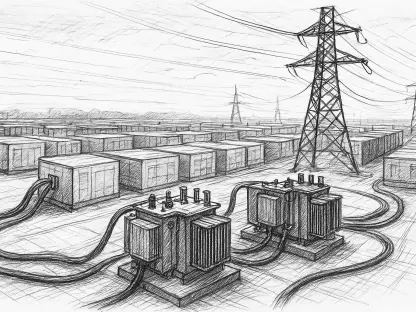

Despite the surge in project announcements, the International Energy Agency reports that low-emission technologies currently supply less than 1% of the global hydrogen demand. This stark reality underscores the monumental scale of the transition required as the global energy landscape moves away

While domestic maritime shipping thrives as a robust industry across Europe, it accounts for a mere two percent of internal freight traffic within the United States due to significant regulatory barriers. The recent executive decision to extend the Jones Act waiver represents a tactical shift aimed

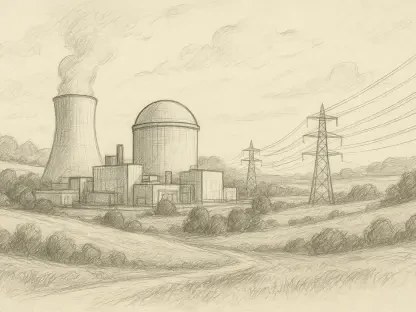
The U.S. Prohibiting Russian Uranium Imports Act of 2024 serves as a legislative catalyst, forcing utilities to diversify their supply chains away from geostrategically risky Russian enrichment services. This shift represents more than a simple procurement change; it is the fundamental dismantling
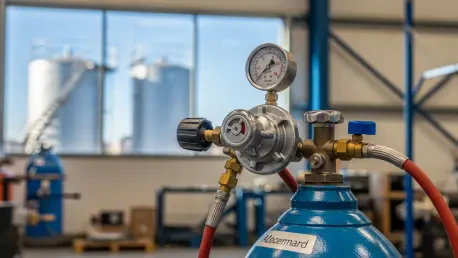
The industrial sector in South Africa is currently undergoing a massive transformation as manufacturing plants and mining facilities prioritize workplace safety by moving away from volatile fuel sources. This shift is primarily driven by the inherent risks associated with traditional acetylene,

Nigerian policymakers and automotive stakeholders are currently navigating a critical juncture where the success of electric mobility depends less on visionary rhetoric and more on the granular details of operational execution. For years, the conversation within the capital and among industry

The rapid proliferation of fossil gas infrastructure across Mexico and Central America is currently threatening to undermine the transition to renewable energy by creating a multi-decade reliance on imported hydrocarbons. This shift is not a temporary adjustment but a fundamental restructuring of