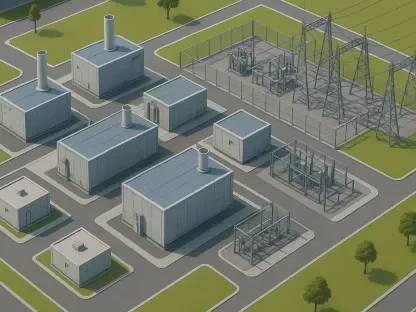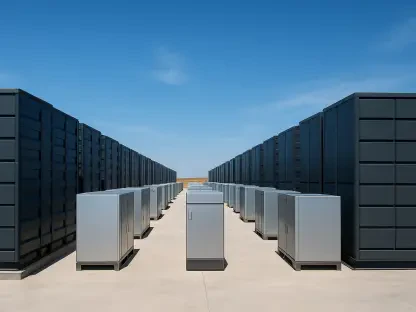

By utilizing a proprietary direct-metal pathway, Nusano aims to eliminate the hazardous fluorine chemistry typically required for uranium enrichment. The Utah-based physics firm recently secured a pivotal position within the U.S. Department of Energy’s Nuclear Energy Launch Pad Program, marking a significant milestone for domestic energy security. This initiative, facilitated through the National Reactor Innovation Center, provides the company with a platform to validate its compact, modular technology. The system is designed to produce 5.9 metric tons of high-assay low-enriched uranium annually from a single unit measuring only 1,200 square feet. Such a small physical footprint represents a radical departure from the massive, sprawling facilities traditionally associated with the nuclear industry. By bringing this technology into the federal fold, the program seeks to bridge the gap between experimental physics and commercial viability, ensuring that the next generation of American reactors has a reliable source of fuel.
Revolutionary Pathways: The Direct-Metal Advantage
Conventional enrichment methods have long relied on the conversion of uranium into uranium hexafluoride gas, a substance that requires delicate handling and complex centrifuge arrays. These processes involve multiple stages of chemical transformation, each introducing potential hazards and increasing the overall cost of production. Nusano’s approach avoids these complications by starting directly with metallic uranium and employing a proprietary mass-based isotope separation technique. This method allows the system to reach the critical 19.75 percent enrichment level in a single pass, which is a feat that traditional gas centrifuges struggle to achieve without extensive cascading. By focusing on the physical properties of the atoms rather than chemical volatility, the technology ensures a safer and more predictable environment for technicians. This shift in methodology not only improves safety protocols but also significantly reduces the environmental impact of fuel fabrication.
Beyond the safety improvements, the direct-metal pathway offers a level of operational efficiency that could redefine the nuclear fuel cycle. Most existing enrichment infrastructures require deconversion steps to return gaseous fuel into a solid metallic or oxide form suitable for reactor use. Nusano’s process delivers the final product already in a metallic state, effectively cutting several expensive and time-consuming stages out of the supply chain. This streamlined production cycle is particularly advantageous for the rapid deployment of small modular reactors, which often demand specialized fuel configurations. Furthermore, the modular nature of the 1,200-square-foot units allows for a decentralized production model where fuel can be enriched closer to the point of use. This reduction in logistical complexity decreases the risks associated with the transportation of radioactive materials and enhances the resilience of the national energy grid by diversifying the locations of critical fuel supplies.
The Strategic Challenge: Meeting Domestic Energy Demand
The urgency of this development is driven by a stark reality in the current energy market: the United States produces less than one metric ton of high-assay low-enriched uranium annually. As the demand for advanced nuclear systems grows, the Department of Energy projects that domestic requirements will surge to approximately 50 metric tons per year by 2035. This material, containing between 5 and 20 percent uranium-235, is the lifeblood of the next generation of reactors, offering higher power density and longer operating cycles than the fuel used in the current fleet of light-water reactors. Small modular reactors, in particular, rely on this higher enrichment to maximize energy extraction while maintaining a compact core design. Without a domestic source for this fuel, the transition to a carbon-free grid could be stalled by geopolitical dependencies and supply chain bottlenecks. Consequently, the modular scalability of new enrichment technologies is no longer just an engineering goal but a national necessity.
Industry leaders and policy makers focused on the successful integration of these technologies into the broader domestic energy landscape. The transition toward modular fuel production offered a clear path for reducing the carbon footprint of the industrial sector while maintaining a stable power supply. Stakeholders recognized that investing in direct-metal pathways simplified the logistical challenges of reactor refueling and enhanced the security of the nuclear materials themselves. Moving forward, the focus shifted to establishing standardized manufacturing protocols for the modular units to ensure rapid deployment across diverse geographical regions. This proactive approach allowed for the creation of a robust domestic supply chain that was no longer reliant on external sources for critical energy components. By prioritizing safety and efficiency, the program demonstrated that American innovation could effectively address the complex demands of a modern grid. These strategic advancements ensured that the nuclear industry remained a central pillar of the nation’s clean energy future.