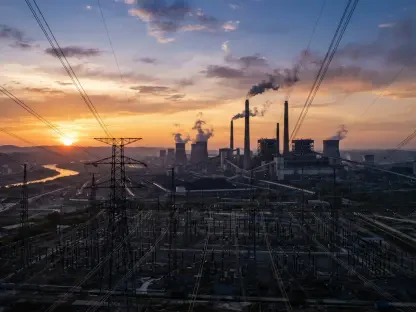

The recent results from the PJM Interconnection capacity auction for the 2028-2029 delivery year have sent a clear and sobering signal to energy markets across the Mid-Atlantic region that the era of surplus power is officially over. As clearing prices reached the regulatory ceiling, the auction exposed a fundamental deficit in available generation capacity, marking a departure from years of relative stability and affordable buffers. This shortfall is not merely a statistical anomaly but a structural warning that the regional grid is operating with a dangerously thin margin of error. For residents in Pennsylvania, this transition translates into heightened risks of localized blackouts during peak demand periods and a looming financial burden on household budgets. The shift from a generation-heavy landscape to one defined by scarcity suggests that the previous assumptions regarding energy security must be reevaluated. Without a significant pivot, the reliability of the grid remains under threat from both environmental factors and soaring industrial needs.
Market Dynamics: The Challenge of Shifting Energy Supply
The growing disparity between energy production and consumption is the direct result of a complex and often contradictory transition currently unfolding in the power sector. On one hand, older coal and natural gas power plants are being decommissioned at an accelerated rate due to aging infrastructure and evolving environmental mandates. On the other hand, the pipeline for new energy projects remains severely restricted by regulatory and technical bottlenecks that prevent replacement capacity from entering the system. This “interconnection” queue has become a primary obstacle, as wind, solar, and battery storage facilities face years of delays before they can successfully hook into the high-voltage transmission network. Consequently, the traditional cushion of surplus power that Pennsylvania once relied upon has evaporated, leaving the state vulnerable to price volatility. The slow pace of infrastructure modernization means that even as green energy projects are proposed, they cannot be deployed fast enough to offset the loss of thermal plants.
Furthermore, the regional market structure managed by PJM Interconnection complicates the landscape by tethering Pennsylvania’s energy resources to the demands of neighboring states. As a major exporter of electricity, Pennsylvania frequently produces more power than its internal population requires, yet current market rules force local ratepayers to compete with high-demand zones in the broader Mid-Atlantic area. This dynamic often results in Pennsylvania households effectively subsidizing the energy shortages of urban centers outside the state, especially during extreme weather events when demand peaks. The interconnected nature of the grid means that a supply gap in one region triggers price spikes across the entire footprint, regardless of local production levels. Consumer advocates have expressed growing concern that this system lacks the necessary protections to insulate residents from external market failures. Unless regional transmission and capacity allocation rules are updated, the financial strain on consumers will likely continue to outpace any gains.
Infrastructure Pressures: Tech Growth and Economic Stability
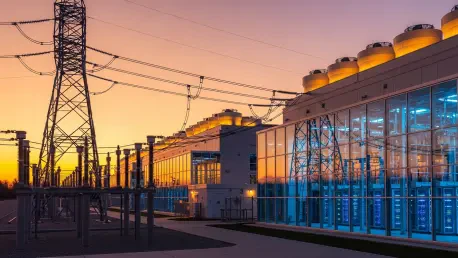
High-intensity infrastructure, particularly the massive data centers built to support the explosion of artificial intelligence, has become the primary driver of surging electricity demand. Unlike traditional residential or commercial loads that fluctuate throughout the day, these facilities operate at a high and constant capacity twenty-four hours a day, seven days a week. The cooling requirements for thousands of high-performance servers necessitate a reliable and massive stream of power that few local grids were originally designed to accommodate. Within the state of Pennsylvania, the rapid expansion of these data hubs is effectively crowding out existing resources, as they consume a disproportionate share of the available capacity. This constant “baseload” demand from the tech sector places immense pressure on local utility infrastructure, requiring costly upgrades to transmission lines and substations. While these centers represent an investment in the digital economy, their energy footprint is creating a zero-sum game for the local community.
The economic fallout of these grid challenges is felt most acutely by Pennsylvania ratepayers who are witnessing a steady and concerning rise in their monthly utility bills. Financial analysts indicate that the current capacity shortfall could lead to billions of dollars in additional costs being passed down to consumers through increased delivery charges and supply rates. As the market struggles to align supply with the relentless needs of industrial giants, households are forced to bear the financial brunt of a system stretched to its limits. For many families, this translates into hundreds of dollars in extra annual costs, which can be particularly devastating for low-income populations already sensitive to inflation. The irony of being a leading energy-producing state while facing high price increases highlights a disconnect between regional policy and local consumer welfare. Without decisive action to decouple industrial demand from the general market, the disparity between corporate usage and affordability will only widen further.
Addressing these systemic vulnerabilities required a multi-pronged approach to policy reform and market management that prioritized the stability of the residential sector. Proposed solutions focused on implementing “reliability backstops” which mandated that large-scale data centers fund and develop their own dedicated power generation sources rather than relying solely on the public grid. By decoupling industrial demand from the general consumer market, policymakers sought to protect households from the price volatility induced by the tech sector’s rapid expansion. Streamlining the interconnection process was another critical step, as it allowed new renewable and storage projects to bypass traditional delays and provide immediate support to the aging infrastructure. Experts emphasized that demand forecasts needed to be subjected to more rigorous scrutiny to prevent underestimation of future needs. These actions served to ensure that the energy grid evolved into a more resilient system, capable of supporting innovation for the average citizen.