
Protesters from the electricity department unions have expressed deep concerns regarding job security and the potential privatization of the region's power distribution network. This unrest stems from the government's decision to grant a parallel distribution license to a private entity, Eleven
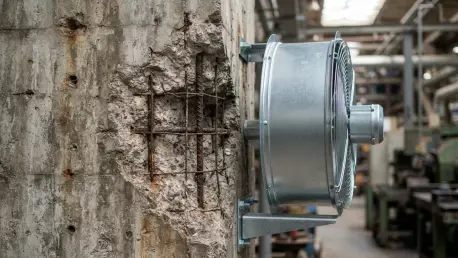
The shift from natural draft to mechanical draft cooling at the Mitchell plant introduces higher maintenance requirements and a slight reduction in net power output due to the use of electric fans. This engineering transition sits at the heart of an intense regulatory debate in West Virginia, where

By connecting two existing high-altitude reservoirs, Snowy 2.0 will effectively quadruple the total rechargeable electricity storage capacity currently available in Australia. This project, which began as a relatively modest extension of the iconic Snowy Mountains Scheme, has transformed into a
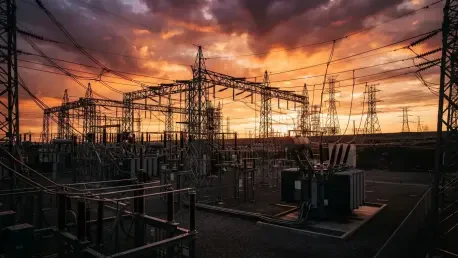
The silent hum of a modern electrical grid often masks the volatile financial undercurrents required to sustain a state's environmental ambitions. Massachusetts has long positioned itself as a national leader in the fight against climate change, setting aggressive, legally mandated targets to reach
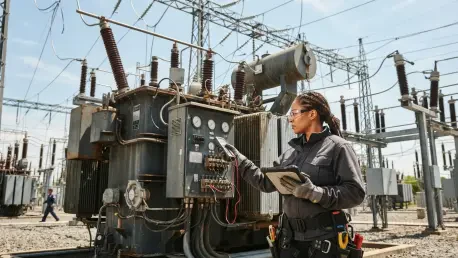
Christopher Hailstone stands at the forefront of a pivotal era for the American power grid. As a seasoned expert in energy management and electricity delivery, he has spent decades deconstructing the complexities of grid reliability, but today his focus is on the digital brain starting to oversee
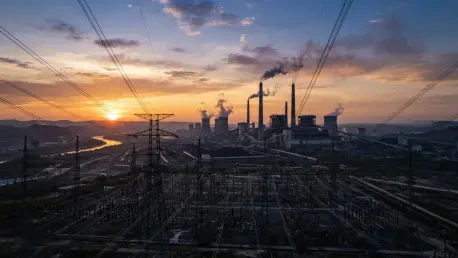
The tactical repurposing of a Korean War-era emergency statute has fundamentally reshaped the U.S. industrial landscape by turning military defense tools into aggressive financial vehicles for traditional energy expansion. By leveraging the Defense Production Act, the administration has moved