
Policymakers are exploring new accreditation frameworks that would allow behind-the-meter storage to count toward state-mandated system capacity and procurement goals at a pivotal moment in 2026. This initiative arrives as the explosive growth of artificial intelligence continues to fundamentally reshape the global energy landscape and drive an unprecedented surge in electricity consumption. As data centers expand to accommodate massive computing loads, the existing power grid is struggling to maintain stability, revealing cracks in an infrastructure that was never designed for such concentrated demand. The sudden increase in power needs has forced a radical rethink of how these massive facilities manage their energy, placing a spotlight on the precarious balance between rapid technological advancement and the reliability of the national electrical supply. The central challenge lies in the shifting role of data center backup systems, which are transitioning from idle insurance policies into active participants in grid management. Historically, these facilities relied on massive fleets of diesel generators only during rare emergencies; however, they are now being viewed as everyday supplements to a fragile grid. This trend highlights a critical crossroads for American energy infrastructure: whether to rely on aging, carbon-intensive emergency measures or to pivot toward modern, sustainable energy solutions that can support the AI era without compromising long-term environmental goals.
The Shift Toward Emergency Grid Operations: A Growing Crisis
A troubling trend in modern utility oversight is the increasing frequency of Department of Energy emergency orders used to maintain grid stability across the country. These federal interventions, authorized under Section 202(c) of the Federal Power Act, allow grid operators to bypass environmental regulations to prevent blackouts, effectively turning data centers into temporary power plants. In recent years, these orders have been triggered not only by extreme weather but also during “shoulder seasons” when unseasonable temperatures catch an overextended system off guard, demonstrating that the grid is operating with dangerously low margins. The frequency of these interventions has tripled over the last two years, suggesting that traditional methods of managing supply and demand are no longer sufficient. When the Department of Energy issues such an order, it essentially acknowledges that the public interest in keeping the lights on outweighs the immediate environmental impact of burning heavy fuels, creating a regulatory loophole that is becoming a standard operating procedure. This shift indicates a systemic failure to integrate new generation capacity at the same pace as the digital economy, leaving the grid dependent on the very carbon-intensive resources that modern policy originally sought to phase out.
This reliance on emergency measures suggests that the current system is unable to build new generation and transmission infrastructure fast enough to match the pace of AI-driven growth. In major hubs like Northern Virginia’s “Data Center Alley,” the grid has come within minutes of needing to activate vast diesel fleets to prevent widespread failure during record-breaking heat waves. The Mid-Atlantic grid recently reached a demand peak of 168 gigawatts, pushing local infrastructure to its absolute limit and forcing operators to seek unconventional sources of relief. This pattern indicates that what was once a last-resort strategy is becoming a routine crutch, masking deep-seated structural deficiencies in the way energy is distributed and managed. The problem is exacerbated by the fact that many of these data centers are concentrated in small geographic areas, creating local congestion that the bulk transmission system cannot easily resolve. As more massive computing clusters come online, the pressure on these local nodes increases, making the grid more susceptible to minor disruptions that previously would have been handled without federal intervention. The industry is now facing a reality where the sheer speed of technological advancement has outstripped the ability of utility companies to provide reliable, clean power through traditional means.
Evaluating the Impact of Diesel Dependency: Environmental and Social Costs
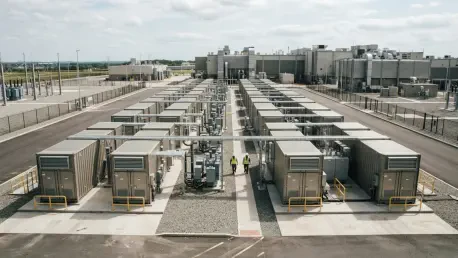
The current dependence on diesel generators represents a “Faustian bargain” where immediate reliability is exchanged for long-term harm to both the environment and local communities. While diesel offers the energy density and proven reliability required by hyperscale facilities, its operational footprint is devastating when used outside of strict emergency contexts. Increasing the use of these generators can lead to a massive spike in regional nitrogen oxide emissions and particulate matter, severely degrading air quality in the areas surrounding these massive technological hubs. In regions with high data center density, researchers have observed that operating these backup fleets at even a fraction of their capacity could increase local nitrogen oxide levels by nearly fifty percent. This degradation of air quality poses significant health risks to surrounding residents, contributing to respiratory issues and long-term cardiovascular problems. Despite the immediate need for power, the environmental cost of relying on 20th-century combustion technology to power 21st-century intelligence is becoming increasingly difficult for the public and regulators to justify.
Beyond environmental damage, the reliance on diesel creates significant social inequities, as the burden of pollution and noise falls disproportionately on lower-income communities and marginalized census blocks. The constant roar of industrial generators, often compared to the sound of airplanes landing, diminishes the quality of life for local residents who did not necessarily benefit from the economic growth spurred by the data centers. Studies have shown that facilities utilizing large-scale diesel backup are frequently located in areas where property values are lower, leading to a concentrated environmental impact on vulnerable populations. Furthermore, by leaning on existing fossil-fuel infrastructure, policymakers reduce the financial and regulatory incentives to invest in cleaner alternatives, effectively locking in outdated and polluting technology for decades to come. This creates a cycle of dependency where the grid remains fragile because the solutions used to stabilize it are inherently unsustainable. The acoustic disruption and atmospheric pollution are not merely side effects; they are fundamental components of a grid management strategy that prioritizes short-term stability over the health and well-being of the communities that host this critical infrastructure.
Addressing the Energy Flexibility Gap: The Role of Duration
Data centers are increasingly asked to be “flexible” by reducing their grid intake during peak demand, yet they lack the tools to do so sustainably given the limitations of current technology. Most facilities currently utilize short-duration lithium-ion batteries, which typically provide only two to four hours of power before requiring a recharge. Because AI workloads are continuous and cannot simply be paused or shifted to different times of day without significant operational loss, a facility must switch to diesel once its batteries are depleted. This creates a paradox where “green” demand-response initiatives inadvertently trigger “dirty” environmental outcomes when grid stress events outlast the limited battery life. In many instances, grid congestion lasts for six to eight hours during a heat wave, rendering standard battery installations insufficient and forcing the activation of combustion engines to maintain uptime. This “flexibility gap” highlights the need for a fundamental shift in how backup power is conceived, moving away from short-term bridge solutions toward systems that can support the facility for the entire duration of a grid emergency.
To solve this flexibility gap, the industry must transition toward Long-Duration Energy Storage (LDES) technologies that can sustain operations for extended periods. Unlike standard lithium-ion batteries, LDES systems are designed to provide continuous power for 24, 48, or even 72 hours, allowing a data center to bridge the gap during multi-day weather events or infrastructure failures without ever starting a combustion engine. This shift is essential for creating a resilient system that can support the non-stop nature of AI processing while maintaining a commitment to carbon reduction. By providing a clean alternative that matches the duration capabilities of diesel, LDES allows data centers to participate in the energy market as true grid assets rather than just consumers. These systems can soak up excess renewable energy during times of low demand and discharge it during peak periods, providing a stabilizing force for the entire electrical network. Transitioning to this model would transform the data center from a potential liability for grid operators into a cornerstone of regional reliability, enabling the growth of AI to continue without compromising the stability of the public power supply.
Advancements in Stationary Storage Solutions: Technology and Placement
The transition to long-duration storage involves a diverse array of new chemistries and engineering approaches that move beyond the limitations of traditional lithium-ion systems. New technologies, such as iron-sodium and flow batteries, utilize abundant materials and offer enhanced safety profiles specifically for stationary applications. Unlike the automotive industry, which requires high energy density in a lightweight package, stationary storage for data centers can prioritize longevity, cost-effectiveness, and thermal stability. These innovations are specifically designed to maximize energy density within a small footprint, ensuring they can compete with the compactness of diesel fuel storage in urban and suburban areas where land is scarce and expensive. Some of these newer chemistries are also inherently non-flammable, reducing the risk of thermal runaway and making them safer for deployment in densely populated industrial parks. These technological advancements are proving that the transition away from fossil fuels is not just an environmental mandate but a logical progression toward more stable and safer energy management systems.
Strategic placement of these storage assets also offers a path toward broader community benefit and improved grid efficiency. Long-duration storage does not need to be located exclusively on-site at a data center; it can be integrated into congested areas of the grid at various commercial or industrial locations to provide localized relief. This decentralized approach provides a buffer for the entire local community during times of stress, transforming data centers from a perceived drain on public resources into anchors of regional energy stability. For instance, placing LDES at a nearby substation could allow the utility to manage local congestion more effectively, benefiting all ratepayers while still providing the data center with the resilience it requires. This model also simplifies the permitting process by spreading the physical footprint of energy assets across multiple sites, reducing the concentration of infrastructure in a single neighborhood. By viewing energy storage as a distributed community resource rather than a private backup system, the industry can build greater public trust and ensure that the infrastructure supporting the AI era contributes to the overall resilience of the modern electrical grid.
Evolving Policy Frameworks for Energy Resilience: The Path Forward
Realizing the full potential of long-duration storage requires a fundamental shift in how energy assets are valued and regulated by state and federal authorities. Previous frameworks often rewarded short-term grid contributions but failed to provide the necessary financial or regulatory credit for the deep resilience provided by systems capable of discharging for multiple days. To address this, forward-thinking jurisdictions implemented accreditation rules that allowed behind-the-meter storage to satisfy system-wide capacity requirements, providing a clear economic incentive for data center operators to invest in these advanced technologies. These policies recognized that a data center capable of operating independently for three days provided a public service by removing a massive load from the grid during times of extreme stress. By restructuring market rules to value duration, regulators successfully encouraged the private sector to fund the deployment of cleaner technology that benefited the entire population. This shift moved the conversation away from emergency diesel permits toward a model where resilience was built directly into the commercial infrastructure of the digital economy.
In addition to financial incentives, new regulatory standards began to address the cumulative impact of data center clusters rather than evaluating individual buildings in isolation. As public backlash against noise and emissions grew, new legislation mandated stricter community-friendly standards that effectively phased out the use of diesel generators for non-emergency grid support. These measures included mandatory noise mitigation and the requirement for “silent” backup systems in new developments, pushing the industry toward emission-free alternatives. Policymakers also restructured rebate programs to specifically reward discharge durations that exceeded the four-hour threshold, ensuring that LDES became the competitive choice for hyperscale operators. By aligning environmental goals with grid reliability requirements, these reforms ensured that the expansion of artificial intelligence catalyzed a new generation of sustainable energy infrastructure. The successful integration of these technologies proved that technological progress did not have to come at the expense of community health or grid stability, provided the right incentives were in place to prioritize long-term resilience over temporary fixes.