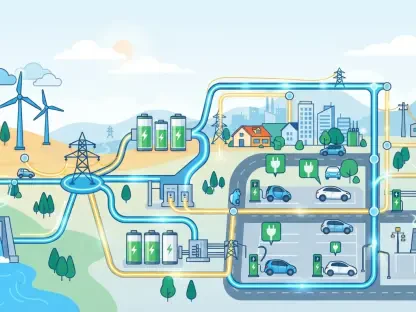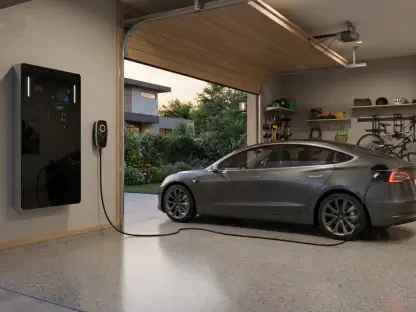

The transition to sustainable transportation relies heavily on the ability of utilities to anticipate exactly when and where energy will be consumed across the network. As internal combustion engines are rapidly phased out in favor of electric drivetrains, the modern power grid faces an
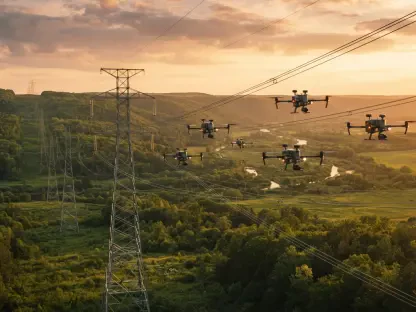
Fragmented bureaucracy and outdated planning processes often force high-voltage transmission projects to endure decades of delays before receiving the necessary federal approvals to begin construction. This systemic inertia has left the American electrical grid in a state of precarious fragility as
The unprecedented acceleration of the digital economy has reached a tipping point where the infrastructure powering our silicon intelligence is now outstripping the fundamental stability of the high-voltage transmission networks that sustain it. This rapid expansion of artificial intelligence and

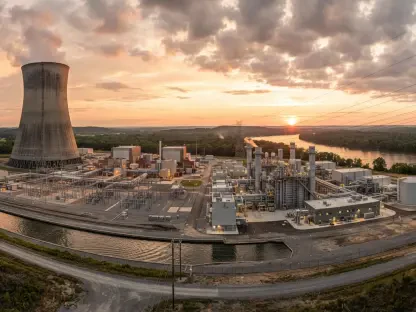
The global effort to deploy next-generation nuclear technology depends heavily on the establishment of a reliable domestic supply for specialized high-assay low-enriched uranium. This fuel source, commonly referred to as HALEU, is the critical catalyst needed to power the compact reactors that
Christopher Hailstone has spent decades at the intersection of energy management and grid reliability, navigating the complex transition from centralized power plants to a decentralized, resilient future. As a utilities expert, he has seen firsthand how the pulse of the electric grid shifts under
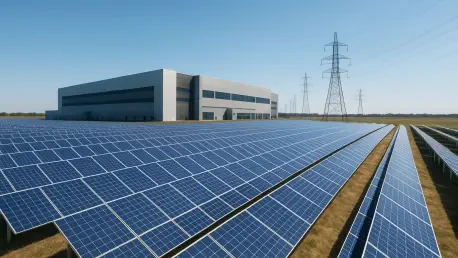
The unprecedented thirst of modern computation for electrical current is essentially rewiring the physical landscape of the United States as we navigate the midpoint of this decade. While the nation previously enjoyed decades of predictable power usage, the sudden architectural demand for