
The hum of cooling fans in massive server farms is now vibrating through the monthly utility statements of millions of Americans, signaling a profound shift in how we value and pay for energy. Modern life depends on a vast network of data centers that support everything from cloud computing to artificial intelligence. As these facilities multiply, they have become the fastest-growing consumers of electricity in the United States, placing unprecedented pressure on aging power grids. This surge in industrial demand is reshaping the energy landscape, forcing grid operators to balance the massive infrastructure needs of big tech with the essential requirement of providing affordable power to the general public.
The complexity of modern grid management requires a delicate calibration between projected needs and actual consumption. In the current environment, the expansion of high-density computing is not merely a technological milestone but a significant economic variable. As utilities rush to accommodate these industrial giants, the capital expenditures required for grid reinforcement are increasingly reflected in the rates paid by every customer on the network.
The Digital Infrastructure Boom and the Power Grid Evolution
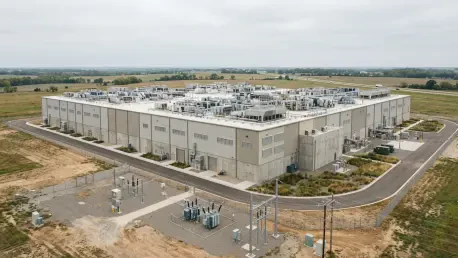
The integration of advanced digital services into every facet of society has necessitated an unprecedented expansion of physical infrastructure. These massive facilities, often spanning hundreds of thousands of square feet, require constant power to maintain the servers that process global data. This transition has moved energy consumption from a predictable utility model toward a high-intensity industrial demand system.
Grid operators are now tasked with the difficult job of modernizing existing infrastructure that was never designed to handle such concentrated loads. While the tech industry brings economic growth, the sheer speed of its expansion often outpaces the development of new energy generation. Consequently, the energy sector must find ways to integrate these hubs without compromising the stability or the cost-effectiveness of the power supply for traditional users.
Analyzing Market Dynamics and Load Projections
The primary driver of current energy debates is the accuracy of load forecasts, particularly within major grid operators like the PJM Interconnection. Analysts and market monitors are increasingly concerned that projected data center growth is being overestimated in official planning documents. When forecasting models fail to distinguish between guaranteed developments and speculative expansions, the entire financial structure of the energy market begins to tilt.
Market participants are observing a shift in how demand is calculated, with a growing emphasis on long-term reliability over immediate cost efficiency. This approach often results in a massive procurement of energy reserves. If these forecasts are not rooted in reality, the market risks creating an artificial scarcity that drives up prices for everyone, regardless of their actual energy usage.
Speculative Growth and the Challenge of Accurate Forecasting
Current energy planning is often influenced by projects that exist only on paper or may never reach full operational capacity. Market monitors have noted that several large-scale developments are factored into energy procurement even after being canceled or significantly reduced in scope. This reliance on speculative data forces grid operators to secure expensive power generation that may ultimately prove unnecessary for the actual demand.
The challenge lies in creating a verification process that can filter out phantom projects before they impact the bottom line of consumers. Without a more rigorous vetting system, the power grid remains vulnerable to over-planning. This leads to a situation where the general public is paying for the insurance of a worst-case scenario that is statistically unlikely to occur, based on the historical conversion rates of tech infrastructure.
Financial Projections and the Impact on Capacity Auctions
Capacity auctions, designed to ensure future grid reliability, are seeing dramatic price increases due to rising demand forecasts. From 2026 to 2030, market data suggests that including these projected loads could lead to tens of billions of dollars in additional capacity costs. These auctions determine the prices paid to power plants for being available to generate electricity when needed, and those costs are eventually passed to ratepayers.
Reports indicate that the inclusion of speculative demand has already contributed to a significant increase in wholesale energy prices across major territories. Forecasts indicate that without reform, these market mechanisms will continue to drive up wholesale energy prices. This financial burden is particularly heavy for small businesses and residential households that lack the bargaining power of large industrial tech firms.
Navigating the Struggle Between Reliability and Affordability
The energy industry faces a complex dilemma: the risk of over-procuring power at a massive cost to the public versus the risk of under-procuring and facing potential blackouts. Grid operators argue that they must plan for the highest possible demand to maintain stability, especially as electricity demand outpaces the construction of new wind, solar, and natural gas plants. However, the financial weight of this reliability insurance often falls on those who benefit the least from the expansion.
Maintaining a stable grid is a non-negotiable requirement for a modern economy, but the cost of that stability must be distributed fairly. When the demand is driven by specific, high-profit sectors, the traditional model of spreading costs across the entire ratepayer base comes under intense scrutiny. Striking a balance between keeping the lights on and keeping bills affordable has become the central conflict of current energy policy.
The Regulatory Framework and Market Oversight
Regulatory bodies and state advocates are pushing for stricter load verification standards to ensure that only real, committed projects influence energy prices. A growing coalition of ratepayer advocates argues that proceeding with auctions based on unverified data violates fundamental principles of market integrity. Oversight is becoming more critical as the financial stakes rise into the billions.
Market monitors serve as the first line of defense against inflated pricing, providing independent audits of grid operator projections. By demanding more transparency, these entities hope to realign the market with actual consumption trends. This regulatory friction is necessary to ensure that the rapid pace of technological innovation does not outstrip the protective measures meant to safeguard consumer interests.
Current Standards for Load Verification and Compliance
Compliance measures are being sought to force grid operators to distinguish between guaranteed energy needs and speculative growth. Currently, the standards for what constitutes a verified project are often too broad, allowing for the inclusion of facilities that are in the earliest stages of planning. Tightening these requirements would ensure that only projects with significant capital investment and signed contracts are allowed to influence the auction process.
State advocates have emphasized that the integrity of the energy market depends on the accuracy of the data used to set prices. Moving toward a more evidence-based forecasting model would prevent the unnecessary procurement of power. This shift requires a collaborative effort between tech developers and grid operators to share real-time progress on construction and energy commitments.
Federal Intervention and Proposed Structural Reforms
The Federal Energy Regulatory Commission is increasingly being called upon to mediate disputes over grid management and cost allocation. Proposed reforms include moving toward bilateral contracts, where data centers secure their own power directly from generators rather than relying on the general capacity pool. This would effectively isolate the unique costs of large-load users from the general public.
Additionally, new backstop procurement mechanisms are being discussed to handle the unique demand spikes associated with artificial intelligence. These specialized tools would allow for the targeted acquisition of energy resources specifically for high-intensity users. By separating these costs, the regulatory environment could better protect everyday consumers from the price volatility associated with the booming tech sector.
The Future of Energy Distribution and Tech Integration
The path forward for the energy industry involves a radical shift in how large-scale loads are integrated into the national grid. Innovation in interconnection reform will be vital to streamline how new energy supplies and massive data hubs connect to power sources. As the digital economy matures, the grid must evolve from a centralized distribution system into a more flexible and responsive network.
Decentralized energy solutions, such as on-site generation for data centers, offer a promising alternative to traditional grid reliance. If these facilities can produce a portion of their own power, the overall pressure on the public utility system would decrease. This integration of specialized infrastructure and local generation could redefine the relationship between big tech and the power grid.
Summary of Findings and Strategic Recommendations
The investigation into rising electricity costs revealed that the current market structure favored speculative growth over consumer stability. Regulators discovered that inflated demand forecasts directly correlated with billions of dollars in unnecessary capacity charges. This analysis showed that a fundamental change in how large industrial loads were vetted and integrated was essential for maintaining economic fairness. Decision-makers determined that shifting the financial responsibility of infrastructure expansion onto the companies driving the demand provided the most equitable solution.
Actionable steps moved toward the implementation of specialized pricing tiers for high-intensity users and the adoption of more rigorous auditing protocols. This strategic shift ensured that the growth of digital infrastructure did not come at the expense of public financial security. By prioritizing market transparency and direct cost allocation, the industry established a more resilient framework for future energy distribution. The transition to bilateral contracts and localized generation sources proved to be a vital component in decoupling industrial growth from residential rate increases.