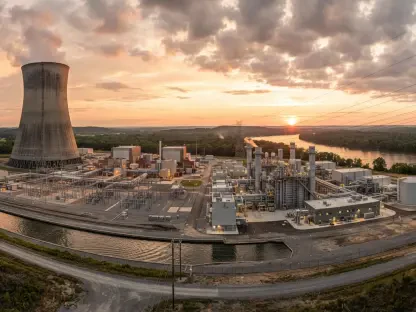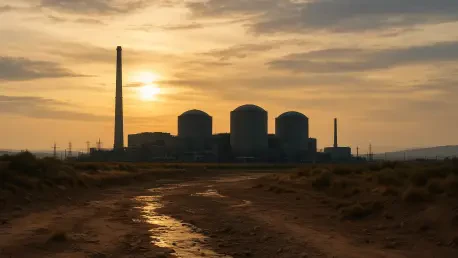
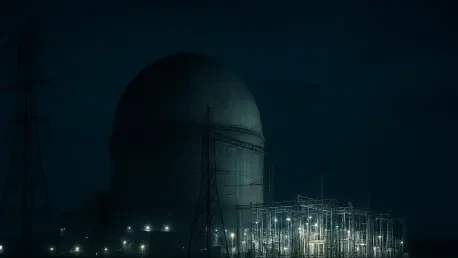
A 24-month long-cycle operation allows a standard OPR1000 reactor to generate power for an additional nine days per year compared to the current 18-month maintenance schedule. This shift represents a comprehensive recalibration of the national energy strategy, spearheaded by a consortium of
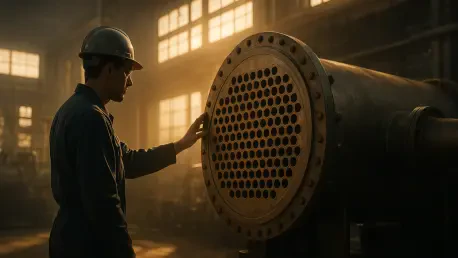
The development of a Current Facilities Requirements document ensures that building operations align with present use cases rather than outdated construction intents. This alignment is vital as the American energy landscape undergoes a profound transformation driven by shifting demand patterns and
The silent hum of a city at night represents a complex ballet of electrons moving through a vast network of copper and steel that is now being governed by invisible algorithms. This orchestration of energy is no longer a simple matter of matching supply with demand through manual switches and

South Korea is currently grappling with a lopsided energy transition where the overwhelming dominance of solar power creates significant stability risks for the national power grid during non-daylight hours. The pursuit of a carbon-neutral economy has led to a rapid expansion of renewable
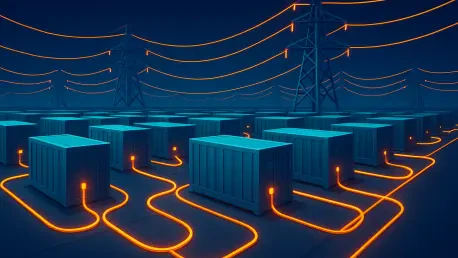
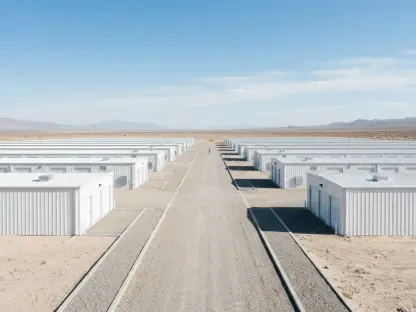
Saudi Arabia has positioned itself as the dominant force in the regional market, currently hosting 11 utility-scale projects that contribute 4.9 GW of power capacity. This substantial foundation serves as a cornerstone for the Middle East and North Africa region’s broader energy transformation,
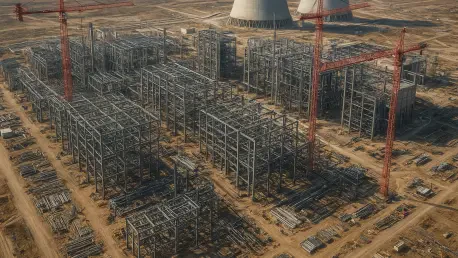
The transition to an AI-driven economy has exposed critical vulnerabilities in a national power grid that previously trended toward intermittent renewable energy sources. Under the current administration, the United States has pioneered a "tariff-first" economic framework that leverages market