
Navigating the Critical Transition of the North American Energy Sector
The North American electric power sector is currently maneuvering through a period of intense and complex transformation that industry veterans often characterize as the most critical “crunch time” in nearly a century. As the calendar year progresses into the final stretch of 2026, the energy industry finds itself at a unique and somewhat daunting crossroads, defined by a persistent paradox of unprecedented consumer demand and significant systemic hurdles. This analysis provides a comprehensive overview of the strategic evolution of the power grid, exploring how the network is being redesigned to support a digital-first economy while simultaneously grappling with the physical limitations of an aging and heavily taxed infrastructure. The scope of this exploration covers the technological breakthroughs, policy shifts, and industrial adaptations that have become necessary to prevent a national energy deficit as we enter 2027.
Understanding the gravity of this transition is vital for modern society because the stability of the entire global economy is now inextricably linked to the grid’s capacity and resilience. With the rapid expansion of high-density computing and the widespread electrification of various transportation sectors, the energy industry is no longer viewed as just a utility provider; it has transitioned into the foundational engine of global innovation. The modernization efforts currently underway represent a radical departure from the traditional utility models of the past, moving toward a new era of experimentation and structural resilience. These changes are intended to dictate the reliability and affordability of electricity for decades to come, ensuring that the lights stay on while the economy continues its rapid digital evolution.
A Chronological Roadmap Toward Grid Modernization and Resilience
The journey toward a modernized 2027 energy landscape is marked by specific strategic shifts and milestones that reflect the industry’s response to a rapidly changing and often volatile environment. From the resurgence of reliable baseload power to the digitalization of essential maintenance, each event in this timeline represents a deliberate step toward a more robust and flexible energy ecosystem.
2024–2025: The Surge of Data Centers and AI Integration
During this initial and highly disruptive period, the energy sector faced a sudden and massive spike in demand that was driven almost exclusively by the artificial intelligence boom. Large-load data centers began to proliferate across the North American landscape at a pace that surprised even the most seasoned market analysts. These facilities required twenty-four-hour “firm” power that traditional intermittent renewable sources, such as wind and solar, could not provide on their own without significant backup. This era was characterized by a high-stakes competition for three critical resources: skilled labor, specialized power generation equipment like high-voltage transformers, and essential grid components. It became increasingly clear that the traditional hub-and-spoke model of the twentieth century was insufficient for the needs of the digital age, prompting the first major wave of heavy investment in grid-edge technologies and high-density distribution networks.
2025–2026: Regulatory Friction and the Push for Permitting Reform
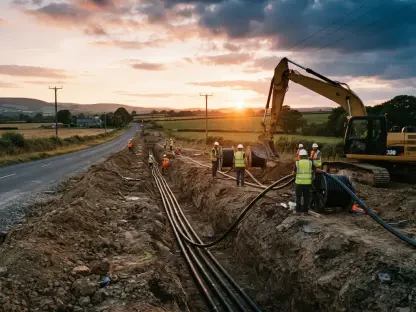
As utilities and private developers attempted to scale infrastructure to meet these new requirements, they encountered significant social and political headwinds. Rising electricity costs, driven by the necessary capital expenditures, sparked a wave of public discontent and led to local development pauses in several high-growth regions. This period was defined by intense legal and jurisdictional tensions between state and federal authorities regarding ratemaking procedures and the massive backlogs in interconnection queues. Professional organizations, such as the Energy Bar Association and various federal regulatory bodies, focused heavily on reforming the permitting process during this time. There was a widespread realization that technical innovation would remain stagnant if vital transmission projects remained bogged down in litigation and bureaucratic red tape for years at a time.
Early 2027: The Resurgence of Nuclear and Baseload Stability
By the beginning of 2027, a firm consensus emerged among industry leaders that renewable energy required massive and reliable baseload support to satisfy the rigorous requirements of the modern economy. This period saw a significant pivot toward gas turbine innovation and documented, real-world progress in the field of nuclear energy. Major industry events, including the Nuclear Energy Conference & Expo, highlighted the transition of Small Modular Reactors from theoretical designs on a drafting board to practical, scalable applications in the field. This shift marked a move toward a much more diversified energy mix, ensuring that national carbon-free goals were carefully balanced with the non-negotiable requirement for grid reliability and constant power availability for industrial consumers.
Mid 2027: The Rise of Virtual Power Plants and Grid Edge Innovation
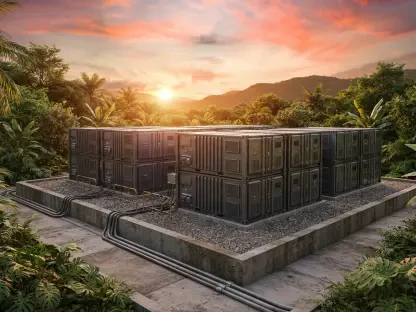
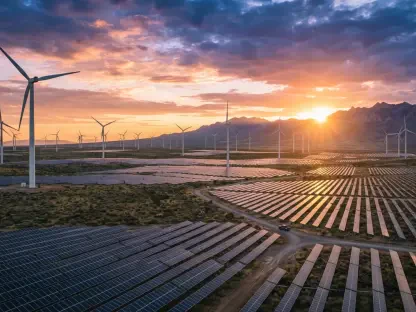
As the industry moved into the middle of 2027, the primary focus of innovation shifted toward what is known as the “Grid Edge.” Traditional distribution systems were reimagined and redesigned to fully incorporate Distributed Energy Resources and Virtual Power Plants. This phase emphasized systemic flexibility, allowing the grid to handle peak loads through localized energy solutions and innovative non-wires alternatives rather than just building more massive power plants. Energy storage technology evolved from being a niche addition to the network to becoming a core component of overall grid stability. A new industry focus emerged regarding the entire project lifecycle of storage assets, including the complexities of supply chain procurement and the long-term operational maintenance required for utility-scale battery applications.
Late 2027: Automation and the Digitalization of Asset Management
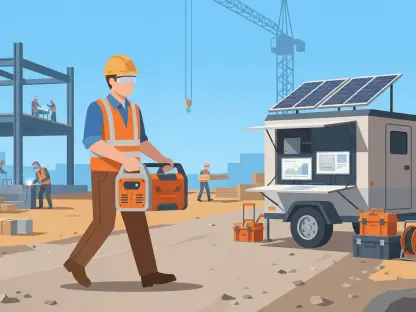
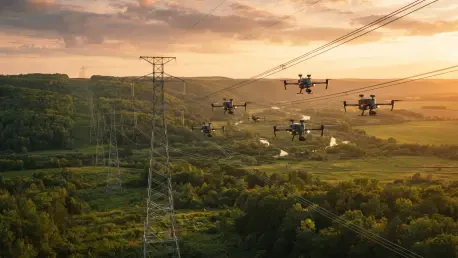
The final phase of the 2027 timeline focuses on maximizing the operational efficiency of existing assets through the use of high-tech digital tools. To combat chronic labor shortages that have plagued the sector for years, the industry turned toward the use of autonomous robots, sophisticated drones, and AI-driven digital twins for the inspection and repair of critical energy infrastructure. From automated vegetation management to remote substation monitoring, the integration of robotics allowed utilities to optimize their limited human workforce for highly complex tasks that required manual intervention. This period represents the culmination of the modernization effort, where advanced software and rugged hardware combined to create a self-healing and highly efficient power network capable of meeting modern demands.
Analyzing Turning Points and Overarching Industry Patterns
The most significant turning point in this multi-year journey has been the realization that the technology sector and the energy sector are now functionally operating as a single, integrated entity. The insatiable appetite of AI-driven data centers acted as a powerful catalyst, forcing the energy industry to move at a much faster pace than it had in previous decades. This fundamental shift highlighted a very clear pattern: technological advancement alone is simply not enough to solve the current crisis. The evolution of the grid is equally dependent on policy innovation, legal reform, and widespread societal acceptance of new infrastructure. The transition from a centralized, one-way model to a decentralized and bidirectional flow of electricity stands as the most profound structural change in the history of North American utilities.
A notable theme throughout this chronological evolution is the move toward “firming” the grid. While the global commitment to clean energy remains steadfast, there is a newfound sense of pragmatism regarding the role of natural gas and nuclear power in maintaining stability. However, one major gap that remains for future exploration is the long-term sustainability of the global supply chain for the essential minerals required for large-scale battery storage. While the efforts of 2027 have solved many of the immediate “crunch” issues, the industry must still address the intense global competition for the raw materials that will power the next decade of total electrification. Balancing environmental aspirations with the hard realities of mineral extraction and logistics remains a primary concern for the next generation of energy planners.
Emerging Methodologies and Regional Dynamics in Grid Evolution
The path to a modernized grid is not uniform across all regions; it is heavily influenced by local utility models and varying regulatory environments. Investor-Owned Utilities are currently prioritizing complex capital investment strategies and customer affordability as they manage massive infrastructure budgets. In contrast, rural electric cooperatives are focusing more on local energy security and providing technical training to a new generation of utility workers. These regional differences create a fascinating patchwork of innovation, where some coastal areas lead in offshore wind development while inland regions pioneer microgrid technology for remote and underserved communities. Expert opinions suggest that these localized solutions are actually the grid’s greatest strength, providing a vital layer of redundancy against large-scale systemic failures.
Beyond the hardware, new methodologies in demand-side management are emerging as essential “soft” infrastructure solutions. By optimizing heating and cooling systems through advanced software to reduce peak loads, utilities can often avoid the need for incredibly costly and controversial new transmission lines. Furthermore, a common misconception in the public sphere is that grid modernization will automatically lead to higher prices indefinitely. In reality, the strategic integration of artificial intelligence and robotics is expected to significantly lower operational and maintenance costs over the long term, potentially stabilizing rates once the initial capital-intensive phase of construction is complete. As the industry gathers in innovation hubs across the country, the mission remains clear: to transform this period of intense adversity into a resilient, modern, and highly efficient energy market.
The transition concluded with a shift in how utility leaders viewed their role in the broader economy. Stakeholders recognized that the traditional boundaries between power generation and consumption had blurred, requiring a more collaborative approach to grid management. The focus moved toward securing the supply chain for rare earth elements and improving the transparency of the permitting process to ensure that the momentum gained in 2027 could be sustained. Industry veterans suggested that the next logical step involved the creation of a unified national strategy for energy storage and the further refinement of carbon-capture technologies to ensure that the baseload power added during this cycle remained environmentally viable. Moving forward, the emphasis shifted to maintaining community trust through transparent communication regarding infrastructure siting and the long-term benefits of a modernized, self-healing grid.