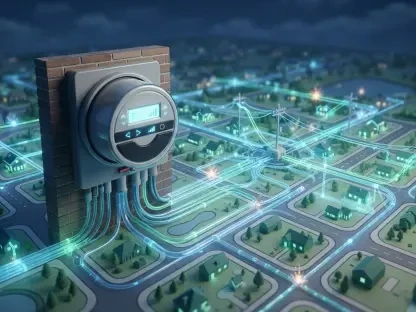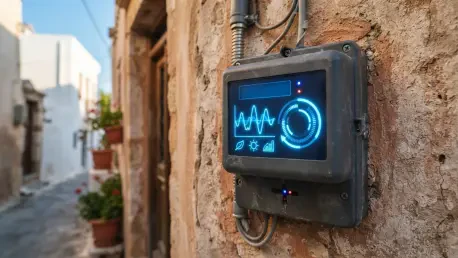

The Hellenic Electricity Distribution Network Operator is currently deploying ten smart meters every minute to combat systemic power theft and modernize aging infrastructure. This massive digital overhaul represents a critical pivot from a traditional, manual grid to a sophisticated, data-driven network capable of meeting the demands of the current decade. By replacing antiquated mechanical meters with advanced digital counterparts, Greece is addressing the long-standing problem of unmetered energy consumption that has plagued the national utility for generations. This initiative is not merely a technical upgrade but a structural reform aimed at securing the financial integrity of the energy sector through 2030 and beyond. The deployment is already providing real-time visibility into the distribution network, which was previously a blind spot for operators. This transparency allows for a more equitable distribution of costs among consumers while ensuring that the physical grid can support the rapid integration of green energy.
Curtailing Financial Loss and Theft
The Economic Impact: Digital Monitoring
Electricity theft has historically acted as a significant drain on the Greek economy, functioning as an invisible surcharge that law-abiding households were forced to cover. Prior to the widespread adoption of smart technology, these unauthorized extractions cost the national energy system between €350 million and €450 million annually, a staggering sum that necessitated higher tariffs for every legitimate subscriber. This “hidden tax” added roughly €60 to the average yearly residential electricity bill, effectively penalizing honest citizens for the systemic vulnerabilities of an aging infrastructure. However, the current momentum of the smart meter rollout is fundamentally altering this dynamic by creating a digital trail for every kilowatt-hour delivered. By utilizing sophisticated algorithms to cross-reference substation output with individual consumption data, the network operator can now identify discrepancies with unprecedented accuracy. This proactive approach is essential for restoring public trust in the utility system.
Systemic Transparency: Recovering Public Funds
The financial dividends of this digital transition are already becoming tangible for the Greek public as the annual cost associated with power theft has successfully dropped below the €300 million threshold. Recent data indicates that the cumulative economic benefit derived from recovered funds and the reduction of technical network losses has reached an impressive €400 million, a figure that continues to climb as more meters come online. Consequently, the individual burden on consumer bills has begun to recede, moving toward a more manageable €50 per year with further reductions anticipated as the system matures. Regulatory bodies, such as the Regulatory Authority for Energy, Waste, and Water, are maintaining pressure on infrastructure providers to maintain this installation velocity. They argue that reaching full digital coverage ahead of the 2030 target will unlock even greater fiscal efficiencies, eventually eliminating the systemic losses that have historically stifled the country’s energy market competitiveness.
Strengthening Network Resilience
Strategic Investment: Infrastructure and Artificial Intelligence
To facilitate this comprehensive digital shift, the Hellenic Electricity Distribution Network Operator has significantly scaled its annual capital expenditure to approximately €800 million. A substantial portion of this funding is dedicated to the digital mapping of the low-voltage network, a complex undertaking that already covers over half of the national customer base. By installing 50,000 advanced monitoring units at strategic substations, the operator is gaining granular insights into the health and performance of the physical infrastructure. These upgrades are designed to mitigate technical losses and manage grid overloads more effectively than the previous manual systems, which often required physical inspections to diagnose issues. This transition toward a software-defined grid allows for remote management and troubleshooting, reducing the need for field crews to intervene in routine maintenance tasks. The focus is on creating a resilient foundation that can withstand the increasing volatility of modern energy consumption patterns.
Sustainable Growth: Supporting Renewables and Energy Storage
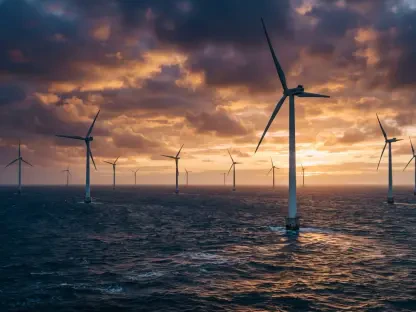
Modernizing the distribution network is a fundamental prerequisite for Greece’s energy transition, as the grid must now accommodate a massive influx of decentralized production. Currently, the network supports approximately 10 gigawatts of renewable energy capacity, a figure that represents about half of the country’s total installed green power. This capacity is highly dispersed among more than 100,000 individual producers, ranging from large-scale wind farms to small residential solar installations. Managing this decentralized ecosystem requires a high degree of digital coordination to prevent localized overloads and ensure that supply matches demand in real-time. Throughout 2026, the operator has been connecting as many as 80 new renewable energy projects daily, highlighting the scale of the transformation. To maintain stability, remote curtailment capabilities have been implemented, allowing the central control system to manage capacity during periods of peak production to prevent any risk of technical damage.
The Path Forward: Establishing a Resilient Energy Ecosystem
The comprehensive digital overhaul of the Greek electricity grid reached a significant turning point as the deployment of smart meters and AI-driven monitoring successfully addressed the dual challenges of infrastructure decay and systemic energy theft. By focusing on data transparency and real-time network visibility, the national utility operator transformed the energy landscape into a more equitable and efficient environment. Moving forward, stakeholders prioritized the expansion of energy storage and the full integration of decentralized renewable sources to ensure long-term grid stability. Decision-makers recognized that the completion of the smart meter rollout by 2030 remained the most critical milestone for achieving a truly modernized energy sector. Future initiatives focused on refining the regulatory frameworks to accommodate higher volumes of green energy while maintaining the financial health of the distribution network. This strategic evolution provided a resilient foundation for Greece’s energy independence and fiscal integrity.