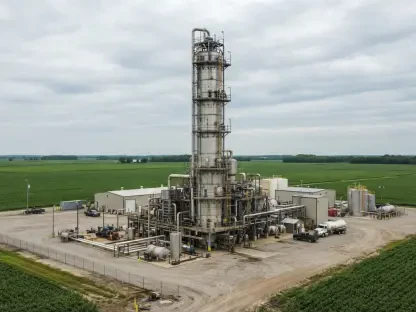

The high-quality feedstock required for renewable fuel production is now being sourced directly from a network of approximately 45,000 food service operations nationwide. This initiative, spearheaded by the collaboration between Minneapolis-based Restaurant Technologies, Inc. and energy giant

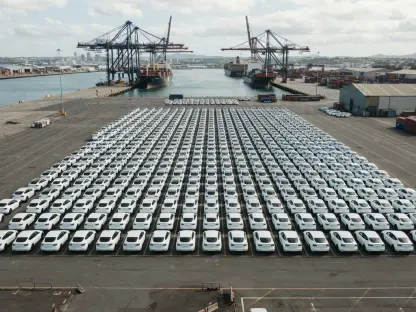
Light commercial vehicle adoption remains the most significant untapped opportunity in the transport market, currently representing only one percent of total sector sales. Australia's transition to sustainable transportation has moved at a pace that few analysts could have predicted a decade ago.
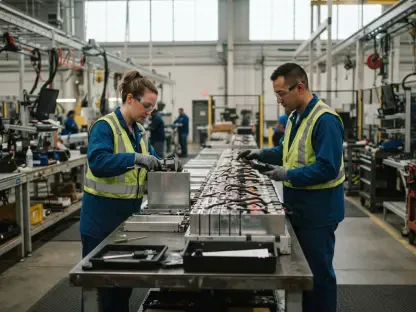
The industrial landscape is shifting as the Ministry of Finance implements a phased tax framework designed to penalize reliance on traditional lithium-ion systems. This strategic recalibration, centered on Announcement No. 20 (2026), marks a departure from the previous singular focus on lithium
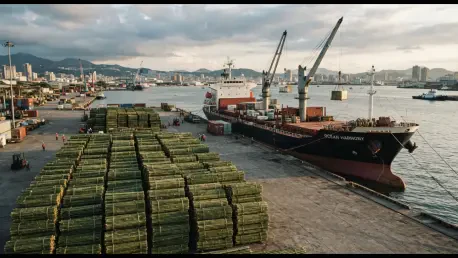
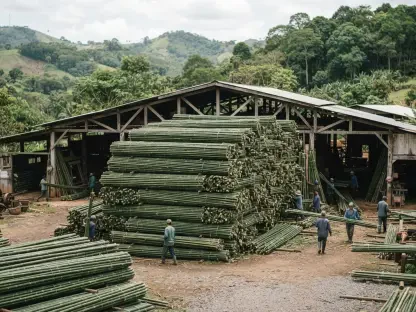
Bamboo can thrive on degraded or former industrial land, effectively resolving the ongoing conflict between food security and fuel production needs. As the global energy landscape undergoes a profound shift toward renewable alternatives, the "electrify everything" movement has successfully

The modern landscape of heavy-duty transportation remains tethered to the diesel engine, a machine celebrated for its thermal efficiency yet criticized for its environmental footprint. In-cylinder oxygen levels inherent in vegetable-based fuels can paradoxically increase nitrogen oxide formation by

When Brent crude oil surged toward a six-month peak of $116.72 per barrel following the regional escalation in February, the maritime industry encountered a critical junction where fuel management ceased to be a back-office concern and became a front-line battle for survival. This sharp increase,