
The convergence of widespread electric vehicle adoption and the digitization of the global economy is creating a durable, long-term surge in power requirements. Recent data from the U.S. Energy Information Administration indicates that the nation is on track to set consecutive records for power usage through 2027. This shift signals a departure from the modest, incremental growth seen in previous decades, as the national energy profile undergoes a fundamental recalibration to support a more power-intensive economy. The current trajectory is not merely a recovery from previous disruptions but a sustained move toward a high-demand reality where energy is the primary currency of growth. As stakeholders look toward 2027, the emphasis has shifted from simply maintaining the grid to expanding its capacity. This growth is being felt across every region, forcing a rethinking of how electricity is prioritized in an era of digital and physical transformation that shows no signs of slowing.
Analyzing Sectoral Growth: The Rise of Commercial and Industrial Demand
The surge in electricity usage is not felt equally across all areas of the economy, with the commercial sector serving as the primary engine of growth in this new landscape. Sales to commercial entities are expected to hit unprecedented levels, driven by a rapid expansion of high-intensity infrastructure such as massive office complexes and technology hubs. While the residential sector remains relatively stable, the push for total electrification in American homes is largely being balanced by significant gains in appliance and building efficiency. Modern smart homes are designed to do more with less, which keeps household demand from spiking as sharply as business demand. However, the sheer volume of new commercial buildings entering the market ensures that the overall floor of electricity consumption continues to rise. This disparity between residential efficiency and commercial expansion highlights the changing nature of the economy, where business activity is becoming much more energy-dense.
Parallel to commercial trends, the industrial sector is seeing a resurgence in domestic manufacturing that rivals records set over two decades ago. This industrial revitalization is a core component of the demand spike, as factories transition from fossil fuel combustion to electrified production lines. The focus on high-precision manufacturing requires a consistent and high-capacity power feed that older grid sections often struggle to provide. As more companies reshore their supply chains to the United States, the demand for industrial power has become a permanent and growing fixture of the grid. This shift creates a unique set of challenges for energy providers who must now balance the needs of traditional manufacturing with the requirements of newer, tech-driven industries. The move toward industrial electrification ensures that the manufacturing sector will remain a major driver of national power requirements, necessitating a more robust and interconnected transmission network.
Digital Infrastructure: The Impact of Artificial Intelligence and Electrification
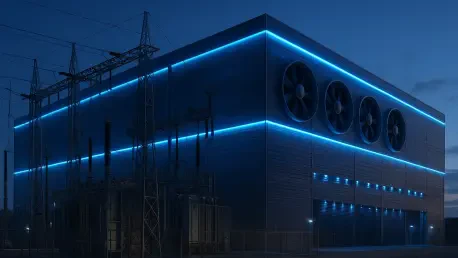
A major catalyst for this historic surge is the rapid proliferation of high-performance computing, specifically for artificial intelligence and cryptocurrency mining operations. Unlike traditional businesses, these massive data centers operate around the clock and require an immense, constant stream of electricity to power both the processing hardware and the advanced cooling systems needed to prevent overheating. This represents a durable, long-term shift in demand, as the digital economy becomes a permanent and energy-hungry fixture of the American landscape. These facilities act as base-load centers that consume as much power as large industrial plants, but with a much higher density of usage. The concentration of these data centers in specific geographic regions has already led to localized demand spikes that challenge traditional utility models. As AI becomes more integrated into software, the energy footprint of the digital world will continue to expand, pushing the grid to its limits.
Beyond the tech sector, a broader migration is occurring as consumers and industries swap fossil fuels for electric alternatives across various daily applications. The transition is most visible in the rising adoption of electric vehicles and the installation of electric heat pumps to replace traditional natural gas furnaces in millions of homes. This movement creates a significant structural pressure on the national grid, permanently moving energy requirements once met by direct fuel combustion over to the electrical network. While this shift reduces overall carbon emissions, it places the burden of energy delivery entirely on a system that was not originally built for such high levels of distribution. Managing this load requires not just more generation, but also smarter distribution networks that can handle the variable timing of EV charging and heating needs. This electrification ensures that electricity is no longer just a utility but the central foundation of all modern infrastructure.
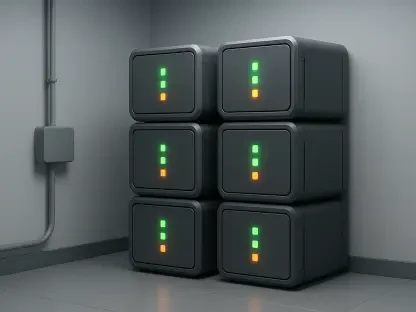
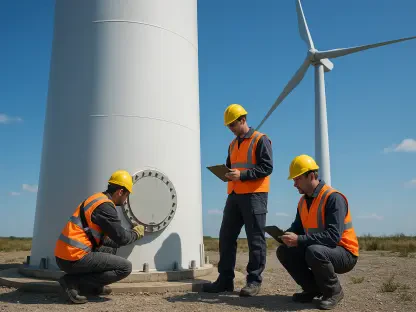
As demand hit record highs, the methods used to generate power evolved to prioritize lower carbon emissions while maintaining reliability. Renewable energy sources maintained a steady upward climb and accounted for over a quarter of the nation’s electricity by 2027. Meanwhile, natural gas continued to serve as the backbone of the grid, providing the necessary stability to integrate variable sources like wind and solar. Nuclear power remained a vital and steady contributor, offering a consistent baseline of carbon-free energy that helped stabilize the system during this period of expansion. The industrial demand for natural gas reached historic levels, even as households used less for heating. Stakeholders prioritized the modernization of transmission lines and long-duration storage technologies to bridge gaps. These strategic investments ensured the American grid remained resilient enough to power a record-breaking economy while successfully transitioning toward a cleaner energy future.