
Greek perfumes and optical instruments faced a contraction in the American market, signaling a shift in consumer demand for high-end Greek manufactured goods. Throughout the current year, the economic relationship between Athens and Washington has pivoted toward industrial essentials, fundamentally altering the composition of the export balance. While luxury items saw a decline, the total value of shipments reached record levels, indicating that the bilateral trade structure is becoming more robust and less susceptible to the whims of retail trends. This transition suggests a maturing market where Greece is viewed as a critical supplier of industrial energy and raw materials. Geopolitical realignments have further accelerated this trend, as American importers prioritize stable and democratic partners for their long-term supply needs. This shift in trade dynamics represents a strategic opportunity for Greek industries to embed themselves deeper into the American supply chain, providing high-volume products that sustain growth.
The Evolution of Transatlantic Commodity Flows
Sector Performance: The Ascendance of Mineral Fuels
The energy sector has emerged as the primary engine of growth, with mineral fuels and refined petroleum products now accounting for a significant portion of the export volume. Greek refineries have strategically expanded their production capabilities to meet the specific requirements of the North American market, focusing on high-quality fuels that adhere to strict environmental standards. This surge is not merely a temporary response to market gaps but a calculated effort to establish Greece as a regional energy hub for the Mediterranean and beyond. By leveraging advanced cracking technologies and optimized refining processes, the sector has managed to maintain competitive pricing even as global crude markets fluctuate. The stability provided by long-term supply agreements with American energy firms has allowed Greek producers to invest in further capacity enhancements, ensuring a steady flow of energy products across the Atlantic. This industrial focus has transformed the bilateral trade ledger by moving the center of gravity toward energy-intensive industrial commodities.
Strategic Logistics: Natural Gas and Distribution Networks
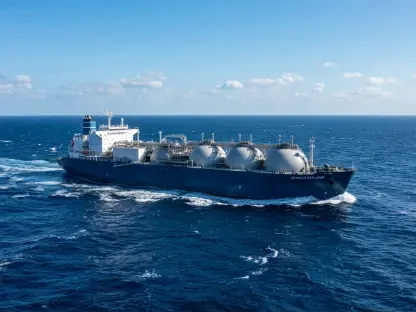
In addition to liquid fuels, the expansion of the natural gas infrastructure has played a pivotal role in strengthening the trade corridor between Greece and the United States. Greek firms have increasingly specialized in the manufacturing and maintenance of components for liquefied natural gas (LNG) terminals and distribution networks. This expertise has translated into growing exports of specialized machinery, valves, and control systems designed to support the burgeoning American gas export and import infrastructure. The synergy between Greek engineering prowess and American capital has created a feedback loop where technological advancements in one region are rapidly adopted in the other. Furthermore, the role of Greek shipping companies in transporting energy products remains unparalleled, providing a seamless logistical bridge that ensures the timely delivery of vital resources. This integrated approach to energy logistics has solidified Greece’s position as a vital partner in the global energy transition, specifically as the United States seeks to bolster its domestic energy resilience.
Industrial Synergy and Market Diversification
Sustainable Infrastructure: Heavy Industrial Growth
Beyond the energy landscape, the Hellenic industrial sector has successfully diversified its offerings to include high-grade aluminum, specialized cement, and structural components necessary for American infrastructure projects. As the United States continues to invest in the modernization of its transport networks and green energy grids, Greek manufacturers have found a lucrative market for their high-performance building materials. The metallurgical industry, in particular, has seen a sharp increase in demand for aluminum alloys used in everything from electric vehicle production to aerospace engineering. These exports are often characterized by high technical specifications and rigorous quality control, reflecting the advanced state of Greek industrial technology. At the same time, the integration of digital tracking and smart logistics has allowed these heavy materials to reach American shores with efficiency. By adopting specialized manufacturing techniques, Greek industrial firms have also aligned with sustainability goals.
Strategic Economic Alignment: Future Implementation
Forward-thinking trade officials and business leaders prioritized the alignment of Greek manufacturing standards with the evolving regulatory landscape of the United States. They established dedicated export councils that focused on streamlining the certification processes for industrial and energy products, effectively removing barriers to entry for specialized firms. These organizations facilitated the adoption of sustainable production methods, which allowed Greek exporters to capitalize on the growing American demand for environmentally responsible supply chains. Industry leaders recommended that companies focus on establishing localized distribution hubs within major American industrial centers to reduce lead times and enhance service reliability. Stakeholders also recognized the importance of continuous investment in digital supply chain transparency to build long-term trust with transatlantic partners. This historical pivot proved essential for navigating the complex global economic environment while securing consistent growth through diversified and modern industrial exports.