
The aviation industry currently faces an existential transition as the pressure to mitigate carbon emissions intensifies amid evolving global environmental regulations and shifting consumer expectations for cleaner travel. Major players like Delta Air Lines and Shell are now spearheading initiatives to integrate sustainable aviation fuel into existing operations, yet the scale of this task remains daunting for even the most well-funded corporations. This fuel is typically produced from bio-based feedstocks such as used cooking oil or agricultural waste, and it offers a drop-in solution that requires no modifications to current aircraft engines or fueling infrastructure. However, the global production capacity for these alternatives currently satisfies less than one percent of total jet fuel demand, leaving a massive gap between environmental aspirations and the physical reality of fuel availability. Delta has committed to replacing ten percent of its conventional jet fuel with sustainable variants within the next few years, signaling a clear demand signal.
Logistics: Building Supply Chain Resilience
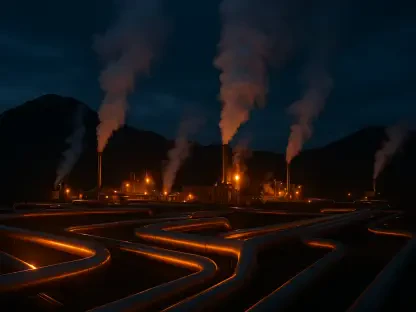
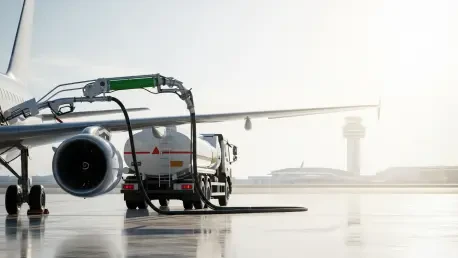
The physical distribution of sustainable aviation fuel presents a complex puzzle that involves retrofitting existing pipelines and establishing new blending facilities at major airport hubs. Because current regulations allow for a maximum blend of fifty percent sustainable fuel with fifty percent conventional kerosene, the logistics of ensuring a consistent and safe mixture are paramount for maintaining flight safety standards. Shell has invested heavily in refinery conversions, particularly at sites in the Netherlands and the American Gulf Coast, to process lipids and other organic materials into high-quality jet fuel. These facilities serve as the backbone for Delta’s supply chain, allowing the airline to uplift greener fuel at key gateways like Los Angeles and Amsterdam. Despite these advancements, the geographical concentration of refining capacity means that many smaller airports remain isolated from the supply chain, which limits the overall impact of the decarbonization efforts across the broader network.
Securing a steady stream of feedstock is perhaps the most significant bottleneck facing the expansion of sustainable aviation fuel production beyond its current limitations. While used cooking oil has been the primary source for early-stage production, the global supply of this material is finite and subject to intense competition from other industries, such as road transport and chemical manufacturing. To combat this, Delta and Shell have begun exploring advanced feedstocks, including cover crops like carinata and pennycress, which do not compete with food production and can be grown on marginal lands. This shift requires a massive coordination effort with the agricultural sector to ensure that farmers have the incentives and infrastructure needed to produce these crops at scale. If the industry cannot solve the feedstock availability issue, the price of sustainable fuel will remain prohibitively high, potentially stalling the progress made in recent years as airlines struggle to balance environmental commitments.
Economic Realities: Driving Technological Evolution
The economic disparity between sustainable aviation fuel and traditional fossil-based kerosene remains a formidable barrier that requires innovative financial mechanisms and strong policy support. Currently, the sustainable alternative can cost anywhere from two to four times more than conventional fuel, a premium that most airlines cannot absorb without significantly impacting ticket prices or profit margins. To address this, governments have introduced various tax credits and production incentives that help bridge the price gap and encourage private investment in new refining technology. Delta has also engaged corporate partners in sustainable travel programs, where businesses pay a portion of the fuel premium to offset the carbon footprint of their employees’ flights. This collaborative funding model provides a more stable revenue stream for producers like Shell, giving them the confidence to build larger plants. As production volumes increase, the industry expects to see economies of scale that will eventually drive down costs.
The partnership between Delta and Shell provided a blueprint for how cross-sector collaboration addressed the multifaceted challenges of decarbonizing the heavy transport industry. By focusing on long-term off-take agreements, the two companies stabilized a nascent market and encouraged further technological breakthroughs in synthetic fuel production. These efforts highlighted the necessity of diversifying feedstock sources and investing in Power-to-Liquid technologies, which utilized captured carbon and renewable electricity to create virtually carbon-neutral fuels. Policymakers recognized that subsidies alone were insufficient, leading to the implementation of more robust regulatory frameworks that mandated a minimum percentage of renewable energy in all aviation operations. The industry successfully moved beyond reliance on limited bio-oils by embracing a wider array of waste streams and renewable energy inputs. These actions ensured that aviation remained a viable mode of transport while aligning with global climate objectives for the coming decades.