
The global automotive landscape has fundamentally shifted its gaze from digital aesthetics and software-defined interfaces to the complex molecular structures hidden within battery cells, signaling a period where chemical innovation defines market supremacy. As of the current mid-2026 market cycle, the competition among electric vehicle manufacturers has evolved far beyond the superficial appeal of touchscreen sizes or autonomous driving features. Instead, the industry is locked in a fierce technological arms race to solve the three most persistent obstacles to mass adoption: sluggish charging speeds, limited operational range in extreme temperatures, and the high cost of replacement. Major players, particularly in the Asian markets, are no longer satisfied with incremental improvements to existing lithium-ion platforms. They are aggressively redesigning the very architecture of energy storage to ensure that electric mobility can finally compete with the convenience and reliability of internal combustion engines on every front. This strategic pivot marks a turning point where a brand’s long-term survival is directly tethered to its ability to master proprietary battery chemistries that deliver both safety and efficiency. By focusing on these core challenges, manufacturers are moving away from the niche luxury segment and toward a universal standard of performance that aims to make the internal combustion engine a relic of the past within the next few years. The race is no longer just about who can build a car, but who can engineer the most advanced, durable, and cost-effective energy source to power the future of global transportation.
Enhancing Speed and Safety: The Rise of Advanced LFP Technology
One of the most significant shifts in the current market is the revitalization of Lithium Iron Phosphate (LFP) chemistry, which has moved from being a budget-friendly compromise to a high-performance contender. CATL’s third-generation Shenxing platform has redefined consumer expectations by offering the ability to charge a vehicle from 10% to 98% in just over six minutes. This breakthrough addresses the primary psychological hurdle for potential buyers, which is the time spent at charging stations compared to traditional gas pumps. When a vehicle can regain nearly its full range in the time it takes to grab a coffee, the necessity for massive, heavy battery packs begins to diminish. This innovation not only improves the daily convenience for drivers but also allows manufacturers to design lighter, more efficient vehicles that require less raw material per unit. By optimizing the movement of ions within the cell and reducing internal resistance, these new LFP batteries offer a level of reliability that was previously reserved for much more expensive nickel-based alternatives. The result is a mainstream product that balances cost with a charging experience that feels modern and friction-free, effectively lowering the barrier to entry for millions of drivers who were previously hesitant to make the switch from gasoline to electric power.
At the same time, BYD has advanced its proprietary Blade battery technology to achieve a new standard in both structural integrity and charging efficiency. The second-generation Blade system focuses on a nine-minute charge cycle while utilizing a sophisticated “cell-to-pack” design that integrates the battery directly into the vehicle’s frame. This approach treats the battery cells as structural members, which significantly increases the rigidity of the car while maximizing the available space for energy storage. By eliminating the need for traditional modular packaging, BYD has successfully compensated for the lower energy density inherent in LFP chemistry. This design philosophy ensures that the vehicle remains incredibly safe during collisions, as the elongated blade cells act as reinforcements for the chassis. Furthermore, this structural integration reduces the overall weight of the battery system, allowing for better handling and energy consumption figures. Consumers are increasingly drawn to this combination of safety and speed, recognizing that the battery is no longer just a separate component but a foundational part of the vehicle’s engineering. As these technologies become more widespread, the focus is shifting toward how quickly a car can return to the road, making the total range less of a concern than it was in previous years when charging was a multi-hour ordeal.
Material Innovation: Securing Performance and Supply Chains
While LFP technology dominates the mainstream market, the pursuit of maximum driving range and premium performance continues through the advancement of nickel-rich lithium-ion batteries. CATL’s Qilin technology represents the current pinnacle of liquid-electrolyte performance, utilizing a unique internal cooling system that allows for higher energy density without compromising thermal stability. This enables automakers to offer premium vehicles with extreme long-range capabilities, often exceeding 800 kilometers on a single charge. Such flexibility is crucial for the high-end luxury and performance segments, where buyers expect no compromises in power or endurance. The Qilin platform also allows for more compact packaging, giving designers more freedom to create aerodynamic and spacious vehicle interiors. However, the reliance on high-cost materials like nickel and cobalt remains a point of strategic concern, leading many manufacturers to seek alternative solutions that can provide a buffer against market volatility. The ability to offer a diverse range of battery types allows a single manufacturer to cater to different price points, ensuring that their product lineup remains competitive regardless of fluctuations in the global raw material supply chain. This balanced approach between peak performance and material security is becoming the hallmark of a successful automotive strategy in the current era.
Beyond the refinement of lithium-based cells, the industry has turned its attention to “lithium independence” by commercializing sodium-ion battery technology. Both CATL and BYD have made significant strides in bringing sodium-ion cells to the mass market, recognizing that sodium is far more abundant and significantly cheaper to extract than lithium. Although these cells currently offer lower energy density compared to their lithium-ion counterparts, they possess unique advantages that make them ideal for specific applications, such as affordable city cars and stationary energy storage systems. One of the most impressive features of sodium-ion chemistry is its exceptional performance in cold climates, where traditional lithium batteries often struggle with capacity loss and slow charging. By utilizing sodium, manufacturers can provide a more stable and predictable cost structure for entry-level electric vehicles, making green transportation accessible to a much broader demographic. This diversification of chemistry is not just a technical choice but a strategic one designed to protect the industry from the price spikes and geopolitical tensions that often plague the lithium market. As sodium-ion production scales up, it is expected to become the backbone of the budget EV segment, providing a reliable and sustainable alternative for urban commuters who prioritize affordability and consistency over extreme long-distance range.
Strategic Specialization: Adapting to Global Market Segments
The concept of a “one-size-fits-all” battery has effectively disappeared, replaced by a strategy of chemistry specialization tailored to specific vehicle roles. In the high-performance and luxury sectors, solid-state technology is emerging as the most anticipated frontier, with companies like Toyota and Nissan centering their long-term roadmaps on its successful implementation. Solid-state batteries promise to replace the liquid electrolyte found in current cells with a solid material, which significantly enhances safety by eliminating the risk of leaks and fires. Furthermore, this technology could unlock ranges of up to 1,000 kilometers while cutting charging times even further. The primary challenge currently facing these manufacturers is the transition from laboratory success to mass-market production at a cost that is not prohibitive for the average consumer. Engineering the manufacturing processes to produce these complex cells with high yields and consistent quality is a monumental task that requires entirely new factory architectures. Despite these hurdles, the potential for a “forever battery” that lasts the life of the vehicle with minimal degradation is a powerful incentive for continued investment. For the luxury market, the arrival of solid-state cells will represent the ultimate luxury feature, offering a level of performance and peace of mind that remains unmatched by any other current technology.
This move toward specialization ensures that the right technology is used for the right application, optimizing both cost and efficiency across the entire automotive sector. For example, LFP batteries have become the standard for the mainstream market due to their durability and safety, while sodium-ion is filling the gap for low-cost, short-range urban vehicles. Meanwhile, high-nickel liquid batteries and emerging solid-state cells occupy the premium tiers where energy density and weight are the most critical factors. This tiered approach allows manufacturers to manage their resources more effectively and avoid over-engineering simple commuter cars. It also provides a clear path for consumers, who can now choose a vehicle based on a battery chemistry that best suits their specific driving habits and climate. The diversification of the battery market has also led to a more robust secondary market for used EVs, as the different chemistries have varying lifespans and degradation patterns that are now better understood by both buyers and insurers. By matching the chemical properties of the battery to the intended use of the vehicle, the industry has created a more sustainable and economically viable ecosystem that can support the varied needs of a global population. This strategic maturity is a clear sign that the electric vehicle market has moved past its experimental phase and into a period of sophisticated, data-driven growth.
Systemic Integration: Overcoming Infrastructure and Perception Barriers
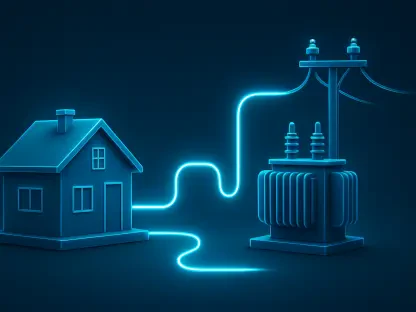
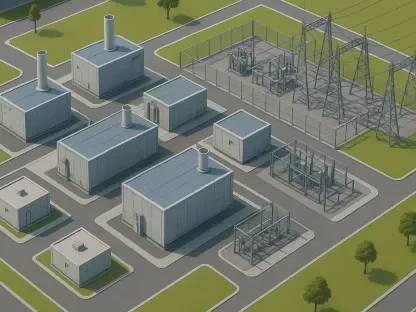
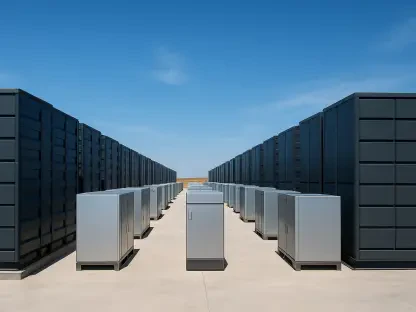
Despite the rapid pace of technological innovation at the cell level, the ultimate success of these new battery platforms depended on the simultaneous modernization of the global power grid. The ability to charge a vehicle in under seven minutes required a massive and sudden draw of electricity that many localized networks were initially unprepared to handle. To address this, leading manufacturers and energy providers collaborated to install high-output charging stations equipped with their own stationary buffer batteries. These buffer systems stored energy during periods of low demand and discharged it rapidly when a vehicle plugged in, preventing the grid from becoming overwhelmed during peak hours. This holistic approach to infrastructure ensured that the promise of ultra-fast charging could be realized in the real world rather than remaining a theoretical possibility in a lab. Furthermore, the industry worked to standardize charging protocols across different regions, reducing the frustration for drivers traveling across borders. The integration of smart-grid technology also allowed vehicles to communicate with the power network, optimizing charging times based on the availability of renewable energy. This level of systemic coordination proved that the transition to electric mobility was as much a logistical challenge as it was a scientific one, requiring cooperation between diverse sectors of the economy.
The industry successfully removed the psychological barriers associated with range anxiety by narrowing the gap between refueling a traditional car and charging an electric one. Automakers focused on transparent communication regarding battery health and cold-weather performance, which helped build trust with a consumer base that was previously wary of the limitations of electric power. They implemented advanced thermal management systems that kept batteries at optimal temperatures, ensuring consistent performance regardless of the external environment. This proactive strategy shifted the narrative from the “limitations” of electric vehicles to the “advantages” of a more refined and responsive driving experience. Manufacturers also introduced modular battery designs that made repairs and recycling much simpler, addressing concerns about the long-term sustainability and resale value of electric cars. By the time these technologies reached the mass market, the public perception of EVs had shifted from being a specialized environmental choice to being the superior technological option for everyday use. The lessons learned during this period of intense competition provided a roadmap for future transitions in other sectors, such as heavy shipping and aviation, where energy density and charging speed are equally critical. Ultimately, the coordinated effort to improve both the hardware and the ecosystem surrounding it secured the dominance of electric transportation for the foreseeable future.