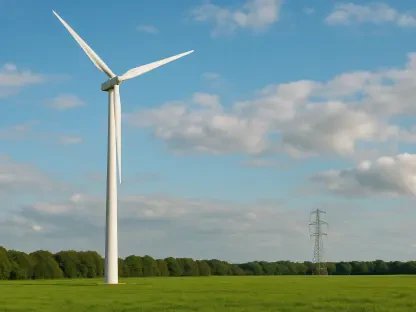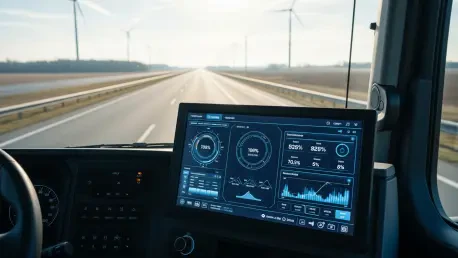

The global heavy-duty transportation sector is currently undergoing a profound structural metamorphosis as traditional diesel engines give way to a sophisticated tapestry of alternative energy sources and cloud-based analytical tools. This shift represents a move toward a diversified ecosystem where decarbonization serves as a core operational objective for logistics providers.
Heavy-duty transport remains a vital component of the supply chain, though it faces pressure to reduce emissions while maintaining speed. Modern fleets now adopt hardware that balances these needs, ensuring vehicle uptime remains a priority.
Navigating the Shifting Landscape of Modern Logistics
Decarbonization efforts have transformed from niche projects into central business strategies for global freight operators. The industry has moved toward a model where engine manufacturing is intrinsically linked with digital management.
Innovation now extends to how data flows across the entire supply chain. Integrating high-performance vehicles with transparent reporting allows companies to optimize their operational scope and maintain margins despite changing energy costs.
Emerging Trends and the Data-Driven Road Ahead
Harnessing Alternative Power and Unified Fleet Intelligence
Expanding natural gas infrastructure in North America provides a reliable path for fleets needing heavy-duty performance. Engines like the Cummins X15N offer a viable alternative to diesel, delivering power for long-haul routes without high emissions.
Digital platforms like Teletrac Navman’s Energy Hub are essential for managing these mixed-energy assets. These tools unify data from electric and internal combustion engines, providing managers with a centralized view of consumption and health.
Quantifying the Shift: Performance Metrics and Market Projections
Switching to natural gas often results in fuel cost reductions of 40 to 50 percent compared to conventional diesel. This economic advantage accelerates the return on investment, making sustainable logistics a financially sound decision for high-mileage fleets.
Market projections suggest a continued rise in the adoption of renewable sources as infrastructure matures. Performance indicators now focus on data-driven efficiency, allowing fleets to forecast energy needs and optimize procurement strategies.
Overcoming Operational Barriers in the Energy Transition
Managing fragmented energy data remains a hurdle for organizations operating diverse vehicle types. Streamlining reimbursement and cost-tracking requires software solutions that can handle multi-fuel models without increasing administrative overhead.
Infrastructure gaps are being addressed through localized fueling services and mobile delivery. On-demand services for diesel and DEF help mitigate bottlenecks, ensuring fleets remain productive in regions where permanent stations are not yet available.
The Impact of Evolving Standards and Environmental Compliance
Evolving emission standards are reshaping industry practices, making natural gas a critical bridge toward long-term net-zero goals. Regional mandates continue to drive the expansion of alternative fuel networks and sustainable procurement habits.
Compliance and security in data management are also becoming priorities as fleets migrate to cloud-based systems. Robust tracking ensures organizations meet environmental laws while protecting sensitive data in a digital landscape.
Forecasting the Future of Efficient Freight Transport
Future efficiency will be driven by AI-powered route optimization and the emergence of hydrogen-ready engines. These developments promise to refine freight transport, while autonomous fueling could eventually automate the most tedious aspects of logistics.
Market volatility and energy price fluctuations will push the industry toward comprehensive energy-tracking software. Innovation has become a survival mechanism, forcing companies to adopt holistic models to remain profitable as the landscape shifts.
Synthesizing Innovation for Long-Haul Success
The industry recognized that the synergy between high-performance hardware and sophisticated software was the primary driver of success. Fleet owners who invested in energy-agnostic tools and diversified their fueling partnerships positioned themselves for a more stable future.
Strategic recommendations emphasized that adopting these technologies early allowed organizations to navigate the transition with minimal disruption. The shift toward a technology-first industry proved that efficiency was the most significant competitive differentiator in a rapidly evolving market.