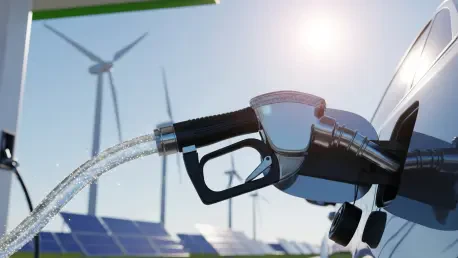

The rapid global shift toward battery electric vehicles has encountered a significant obstacle in the form of nearly 1.5 billion internal combustion vehicles currently operating across the world. While new car sales are increasingly dominated by electric drivetrains, the legacy fleet remains a primary source of carbon emissions that will persist for decades. Renewable gasoline provides a distinct advantage by allowing these existing engines to operate with a significantly reduced carbon footprint without requiring expensive hardware retrofits or complete vehicle replacements. This synthetic fuel is created through a chemical process that combines hydrogen, extracted from water via electrolysis using renewable energy, with carbon dioxide captured directly from the atmosphere. The result is a liquid hydrocarbon that mirrors the chemical properties of traditional gasoline but functions within a circular carbon economy. Engineering firms are now perfecting the refinement process to ensure these fuels meet performance standards.
The Engineering Process: Carbon-Neutral Combustion and Compatibility
Achieving chemical parity with petroleum-based fuel requires sophisticated molecular engineering to ensure that renewable gasoline performs reliably in modern direct-injection systems. The most common method involves the Fischer-Tropsch process, which rearranges carbon and hydrogen atoms into specific chains that burn cleanly while maintaining the necessary octane ratings for high-performance applications. One of the greatest technical triumphs of this technology is its drop-in capability, meaning it can be pumped into any existing fuel tank and ignited by standard spark plugs without damaging seals, gaskets, or fuel lines. Recent testing in specialized facilities has demonstrated that synthetic fuels can actually reduce particulate matter and nitrogen oxide emissions compared to standard pump gas because they lack the impurities often found in crude oil derivatives. This purity leads to cleaner combustion chambers and less wear on internal components over long-term operation.
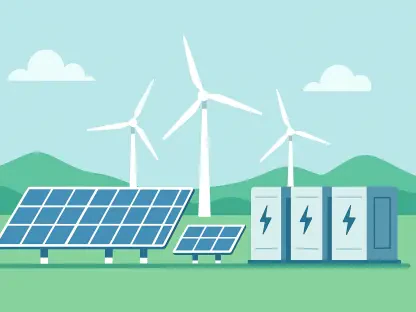
Refining these synthetic compounds also allows for the customization of fuel properties to suit specific environmental conditions or engine requirements. For instance, cold-start performance, which is a common challenge for some biofuels like ethanol, is addressed by adjusting the volatile organic compounds within the synthetic blend. This level of control ensures that vehicles operating in northern climates maintain the same reliability they have experienced with fossil fuels for over a century. Beyond the chemistry of the fuel itself, the production facilities are being strategically located in regions with high wind and solar potential to maximize the efficiency of the electrolysis needed for hydrogen generation. By utilizing surplus renewable energy that would otherwise be curtailed, these plants turn intermittent electricity into a stable, energy-dense liquid that is easily stored and transported. This transition from extraction to synthesis represents a fundamental change in how the industry perceives energy security and sustainability.
Economic Viability: Strategic Integration and Global Logistics
Despite the clear environmental benefits, the widespread adoption of renewable gasoline faces a steep uphill battle regarding production costs and market pricing. Currently, the energy-intensive nature of carbon capture and hydrogen electrolysis makes synthetic fuel significantly more expensive per gallon than traditionally refined gasoline. To bridge this financial gap, many industry analysts suggest that government-backed carbon credits and tax incentives will be necessary to encourage early-stage investment in large-scale manufacturing plants. Scaling up production from pilot programs to industrial levels is expected to bring costs down through economies of scale, similar to the price trajectory seen in lithium-ion battery production. Furthermore, the high energy density of liquid fuels remains a key selling point for heavy-duty transportation and long-haul logistics where battery weight would severely limit payload capacity. As carbon pricing becomes more prevalent, the cost-benefit analysis becomes favorable.
The industry recognized that the survival of the internal combustion engine depended entirely on its ability to decouple its operation from fossil fuel extraction. Policymakers and engineers collaborated to establish rigorous certification standards for synthetic fuels, ensuring they provided genuine carbon neutrality across their entire lifecycle. Stakeholders prioritized the development of direct air capture technology to lower the cost of raw materials, which eventually stabilized the price of renewable gasoline for the average consumer. Maintenance schedules were updated to reflect the cleaner-burning properties of these fuels, and technicians received training on the nuances of synthetic fuel systems. It was determined that a multi-pronged approach, combining electrification with advanced liquid fuels, offered the most resilient path toward a net-zero future. Future strategies focused on scaling these solutions to ensure long-term stability and environmental health.