
Introduction
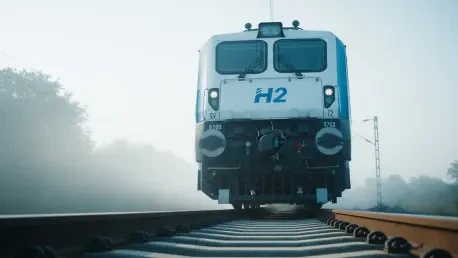
The steady rhythm of a heavy locomotive traditionally signals a reliance on fossil fuels, but India is rewriting this narrative by introducing a quiet, water-emitting alternative that redefines the essence of rail travel. This project marks a significant evolution in the national rail history, transitioning from a reliance on coal, diesel, and traditional electrification toward a zero-emission framework that prioritizes ecological health. While over 99% of the Broad Gauge routes are already electrified, the introduction of hydrogen technology represents a strategic move toward total energy independence and long-term environmental stewardship. Unlike standard electric trains that depend on overhead lines, this new trainset generates its power internally through a chemical reaction, effectively functioning as a mobile, clean power plant.
The primary objective of this article is to explore the intricacies of this technological leap, answering essential questions about how it functions and what it means for the future of transportation. By examining the technical mechanisms, safety protocols, and scalability of the initiative, readers can expect to learn how a nation with one of the largest rail networks in the world is positioning itself as a leader in green mobility. The scope of the discussion covers the engineering behind the Proton Exchange Membrane fuel cells, the infrastructure supporting the Jind–Sonipat route, and the alignment with the National Green Hydrogen Mission.
Key Questions
How Does the Fuel Cell Mechanism Replace Traditional Combustion?
Traditional locomotives rely on burning diesel or drawing electricity from a grid that is often powered by coal. In contrast, the hydrogen-powered trainset utilizes an electrochemical process that avoids combustion entirely, making it one of the cleanest forms of transit available in the modern era. By shifting the energy production from a remote power station to the train itself, the system eliminates the energy losses associated with long-distance transmission and heavy infrastructure. This shift addresses the urgent need for sustainable solutions in regions where traditional electrification might be difficult or less efficient.
At the heart of this innovation is the Proton Exchange Membrane fuel cell, which combines stored hydrogen with oxygen taken directly from the ambient air. When these two elements meet within the cell, a chemical reaction occurs that releases electrons to create an electric current, which then drives the traction motors of the train. The beauty of this science lies in its simplicity and lack of pollutants. Because no fuel is burned, the engine produces no smoke or carbon emissions; the only outputs of the entire process are heat and pure water vapor, which are safely released into the atmosphere.
Furthermore, this internal power generation allows the train to operate with a degree of autonomy that traditional electric trains lack. By carrying its own fuel source in high-pressure cylinders, the trainset can traverse various terrains without the need for continuous overhead wires. This flexibility is paired with a sophisticated energy management system that ensures the electricity is used efficiently, providing the necessary torque for heavy passenger loads while maintaining an operational speed that competes with existing diesel units.
Why Is the 10-Coach Configuration Considered a Global Breakthrough?
Most early adoptions of hydrogen rail technology in Europe and Asia have focused on small, regional units that typically consist of only two or three coaches. These shorter trains are effective for low-traffic rural lines but often struggle to meet the demands of high-density urban corridors. India’s decision to launch a 10-coach configuration represents a massive step forward in proving that hydrogen can handle the scale required for mass public transit. This capacity allows for the transport of approximately 2,600 passengers in a single trip, demonstrating a level of utility that was previously theoretical.
Moreover, the infrastructure required to support such a large-scale operation is equally impressive. The government has established the largest hydrogen refueling facility in Jind, which serves as the operational hub for this initiative. This facility is not merely a gas station; it is a complex ecosystem designed for the safe storage, compression, and dispensing of hydrogen at the scale necessary to keep a full-sized train running consistently. By building this foundation, the project provides a blueprint for how other nations can move beyond pilot programs and into full-scale industrial application.
The Jind–Sonipat section serves as the perfect testing ground for this scalability, allowing engineers to monitor how the fuel cells perform under the stress of high passenger volumes and frequent stops. This data is vital for the eventual expansion of the technology across other parts of the national network. By prioritizing a high-capacity model from the outset, the rail initiative proves that environmental consciousness does not have to come at the expense of transport efficiency or the ability to move large populations effectively.
What Advanced Safety Systems Protect Passengers From Potential Leaks?
One of the primary challenges with hydrogen as a fuel is its inherent flammability and the high pressure required for storage. To address these concerns, Indian Railways has integrated a multi-layered safety architecture that monitors every aspect of the fuel system in real time. These protocols are designed to be proactive rather than reactive, ensuring that any anomaly is detected and managed long before it can pose a risk to the passengers or the crew. The focus on safety is what allows a high-pressure chemical system to operate within a public space with complete confidence.
The trainset is equipped with an array of sophisticated sensors that can detect minute concentrations of hydrogen, as well as any signs of excessive heat, flame, or smoke. These detectors are placed at strategic points throughout the fuel storage areas and the passenger cabins. If a leak is identified, the system is programmed to automatically shut down the fuel supply and initiate ventilation sequences to disperse the gas safely. This level of automation reduces the reliance on human intervention and ensures that the train remains a secure environment even in the event of a technical malfunction.
In addition to the electronic monitoring, the physical design of the hydrogen cylinders and the delivery lines utilizes materials capable of withstanding extreme impacts and pressure fluctuations. These components undergo rigorous stress testing to ensure they meet international safety standards for pressurized gas transport. By combining robust physical barriers with intelligent detection technology, the rail project has established a safety record that matches or exceeds that of traditional diesel and electric locomotives, paving the way for wider public acceptance.
How Does This Initiative Align With National Environmental Objectives?
The launch of the hydrogen train is a centerpiece of the National Green Hydrogen Mission, which seeks to transform the country into a global hub for the production and export of clean energy. While the rail sector has already made great strides in electrification, the final push toward a net-zero footprint requires alternatives for routes where traditional power lines are not feasible. This initiative fills that gap, providing a clear path toward total decarbonization. It serves as a high-visibility proof of concept that clean energy can power the heaviest and most vital sectors of the economy.
Beyond the immediate Jind–Sonipat route, there are strategic plans to adapt this technology for heritage lines, such as the Kalka–Shimla route. These historic tracks often run through ecologically sensitive areas where noise and air pollution from diesel engines are particularly damaging. By introducing hydrogen trains to these locations, the government can preserve the cultural heritage of the rail system while simultaneously protecting the natural beauty of the surrounding landscapes. This dual focus on history and the future creates a holistic approach to sustainable development.
Ultimately, the move toward hydrogen-powered transit is about more than just a single train; it is about building an entire industrial sector. The demand created by the rail network encourages the growth of domestic hydrogen production, storage technology, and specialized engineering expertise. As these capabilities grow, the cost of the technology is expected to decrease, making it a viable option for other sectors such as heavy shipping and long-haul trucking. This synergy ensures that the rail initiative acts as a catalyst for a much larger national transition toward a green economy.
Recap
The introduction of the first hydrogen-powered trainset marks a decisive moment in the journey toward a sustainable transport network. By replacing traditional combustion with a sophisticated fuel cell mechanism, the rail system significantly reduces its carbon footprint and eliminates local pollutants. The project distinguishes itself through its 10-coach configuration, proving that green technology is capable of meeting the heavy demands of mass transit on a scale that few other nations have attempted. This scalability, supported by dedicated refueling infrastructure, positions the country as a pioneer in the global transition to hydrogen.
Safety remains a cornerstone of the initiative, with multi-layer detection and protection systems ensuring that the high-pressure fuel is managed with the utmost care. This technical rigor, combined with a clear alignment with the National Green Hydrogen Mission, demonstrates a comprehensive strategy for achieving net-zero emissions. As the program expands to heritage routes and further urban corridors, it offers a replicable model for other countries seeking to modernize their infrastructure. For those interested in deeper exploration, the official reports from the Ministry of Railways provide extensive data on the operational performance and environmental benefits of this new era of rail travel.
Final Thoughts
The successful launch of the hydrogen trainset provided a clear signal that the future of heavy industry does not need to be tethered to the environmental costs of the past. This project demonstrated that when innovation was met with significant political and technical will, the result was a transport solution that was both high-performing and entirely benign to the planet. The transition toward this clean energy source changed the perception of what a national rail network could achieve, moving it beyond simple logistics and into the realm of ecological leadership.
As this technology continues to mature, individuals and policymakers alike should consider how these same principles of clean chemistry could be applied to other facets of daily life and industry. The movement toward hydrogen was not merely about a new type of engine, but about a fundamental shift in how society viewed the relationship between progress and nature. The lessons learned from the Jind–Sonipat section laid the groundwork for a broader cultural and industrial shift that will likely influence energy decisions for decades to come. Actionable steps taken today in the rail sector ensured that the air remained clear and the climate remained protected for the generations that followed.