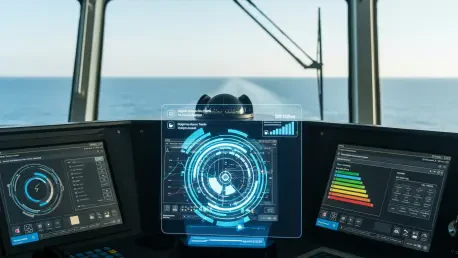

The global maritime sector currently stands at a critical crossroads where the demand for carbon-neutral operations meets the limits of traditional internal combustion technology. As international regulations tighten, shipowners and manufacturers are no longer merely experimenting with theoretical designs but are actively deploying sophisticated engine architectures that prioritize energy efficiency. This transition involves a massive overhaul of existing infrastructure, moving away from heavy fuel oils toward cleaner alternatives such as liquefied natural gas and methanol. The urgency of this shift is underscored by the maritime industry’s commitment to reducing greenhouse gas emissions by significant margins over the coming decades. Innovation is not just about the fuel itself; it involves the fundamental redesign of how power is generated, stored, and distributed across a vessel. Engineers are now perfecting high-pressure dual-fuel injection systems that allow for seamless transitions between different energy sources, ensuring that ships remain operational during this era of fuel uncertainty. This modernization also includes the integration of waste heat recovery systems, which capture thermal energy from exhaust gases to generate additional electricity. By maximizing every unit of fuel consumed, the industry is creating a more sustainable and economically viable path for global trade in an increasingly regulated environment.
Integrating Decarbonization Through Alternative Fuel Architecture
The development of engines capable of burning green ammonia or hydrogen represents a monumental leap in marine engineering, addressing the need for zero-carbon deep-sea transit. Companies such as MAN Energy Solutions have successfully conducted tests on two-stroke ammonia engines, which are projected to become a standard for large-scale container ships and bulk carriers from 2026 to 2030. Ammonia offers a high energy density compared to hydrogen, making it more practical for long-haul voyages, despite the significant safety challenges associated with its toxicity. To mitigate these risks, engineers are developing specialized double-walled piping and advanced sensors that monitor for leaks in real-time, integrating these safety protocols directly into the engine control logic. This approach ensures that the transition to zero-emission fuels does not compromise the safety of the crew or the integrity of the vessel. Consequently, the focus is shifting toward “future-proof” designs that allow for relatively simple retrofitting as fuel availability improves globally. Such flexibility is essential for shipowners who must balance immediate operational requirements with long-term environmental targets. By investing in modular engine designs today, the maritime sector is effectively hedging its bets against the shifting landscape of global energy production.
To facilitate this technological shift, industry leaders recognized that success depended on the rapid implementation of digital twins and high-fidelity simulation tools to optimize engine performance. Organizations prioritized the deployment of AI-driven predictive maintenance systems, which analyzed sensor data to prevent mechanical failures before they occurred. This proactive approach significantly reduced operational downtime and allowed technical teams to manage the complexities of dual-fuel systems more effectively. Furthermore, stakeholders focused on establishing comprehensive training programs to equip crew members with the necessary skills to handle high-pressure gas systems and advanced electrical propulsion units safely. Investment was also directed toward modernizing port infrastructure, ensuring that bunkering facilities were capable of supporting a diverse range of alternative fuels. These strategic actions established a clear roadmap for decarbonization, demonstrating that environmental responsibility and operational efficiency could be achieved simultaneously through disciplined innovation. By integrating these specific solutions, the maritime community transitioned into a more transparent and resilient era of global shipping. The adoption of these frameworks served as a definitive guide for future vessel design and energy management.