
A lithium-ion system with a 97 kWh capacity per unit provides the industrial robustness needed to withstand the intense vibrations and mechanical shocks inherent in grooming rugged terrain. This collaboration between Scania and Prinoth represents a significant leap from experimental prototypes into
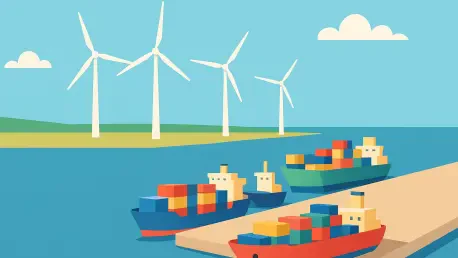
The transition toward localized manufacturing ensures that the economic benefits of renewable energy projects remain within the communities hosting the infrastructure. As the demand for sustainable energy alternatives accelerates globally, the Port of Montrose is emerging as a critical nexus for

The successful prevention of 173,000 tonnes of CO2 equivalent emissions demonstrates the environmental value of WAGABOX technology despite the financial strain of global scaling. During the first half of 2026, Waga Energy reported a significant surge in operational output, with renewable natural

Proponents of renewable ethanol argue that domestic liquid fuels are essential for balancing industrial survival with the urgent requirements of the Green Deal’s climate goals. As the European Union moves through the critical mid-point of this decade, the debate over the future of the automotive

The debate over the hydroelectric resources of Jammu and Kashmir has expanded to include the legal and financial frameworks governing projects for the next century. For several decades, the political and economic narrative within the region remained anchored to the historical desire to reclaim

The widening gap between well-funded commercial agribusinesses and small-scale farmers remains a primary hurdle in the equitable distribution of water conservation technologies across rural provinces. This internal friction highlights the complex reality of a nation that sits at a precarious