
The global energy landscape is currently undergoing a massive transformation as the hunger for electricity begins to outstrip the available production capacity across several major continents. With a staggering 70-gigawatt backlog in gas turbine orders alone, the industry is witnessing a shift where equipment lead times now extend beyond three years, creating a high-stakes environment for infrastructure providers. This surge in demand forced a significant internal pivot, leading to a fundamental restructuring of identity and operational output.
The upcoming move toward the Omterra brand marks a critical milestone in this corporate journey, representing more than just a aesthetic update. This transition involves a total consolidation of power and wind segments to better serve a projected 120 GW annual global market. By unifying these arms, the company intends to streamline its response to a world that increasingly requires both traditional reliability and renewable innovation to maintain economic stability.
A Critical Pivot: The Global Power Race
Siemens Energy is positioning itself at the center of the global power race by aggressively restructuring its core segments to handle an unprecedented volume of orders. The current backlog represents a massive commitment to future energy projects, indicating that the appetite for large-scale power generation shows no signs of slowing down. Management recognized that maintaining a leading position required a total consolidation of resources under a unified banner that reflects modern energy goals.
The shift to the Omterra brand serves as the focal point for this new era of efficiency and integration. This strategic rebranding aims to eliminate departmental silos, allowing for a more cohesive approach to the 120 GW annual market. As the sector moves toward a more interconnected future, having a singular, recognizable identity helps in securing long-term partnerships with both national governments and private industrial giants.
Driving Forces: The Modern Energy Crisis
To comprehend the scale of this expansion, one must consider the digital and industrial shifts currently reshaping the global economy. In the United States, the explosive growth of data centers—driven by the rapid adoption of artificial intelligence—has created an insatiable need for constant, high-volume electricity. This trend is mirrored in the Middle East and Asia, where heavy industrialization and urban development are placing immense pressure on aging power grids.
This convergence of high-tech and heavy industry has turned grid modernization into an urgent necessity rather than a distant goal. Reliability has become the primary currency of the energy market, as even minor outages can result in billions of dollars in lost productivity for digital and manufacturing sectors. Consequently, the demand for robust infrastructure is no longer just about expansion; it is about ensuring the resilience of the global economic backbone.
Aggressive Expansion: Gas and Grid Technologies
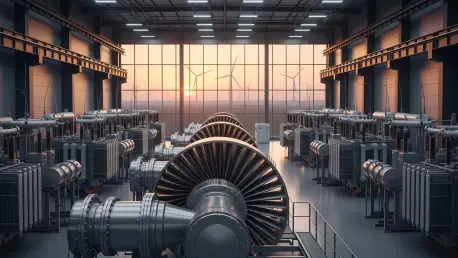
The company is moving rapidly to scale its manufacturing footprint, setting ambitious targets to clear its substantial queue of orders. Plans are already in place to increase medium-sized gas turbine capacity to 100 units by 2028, ensuring that industrial clients receive equipment in a more reasonable timeframe. Large turbine production is also ramping up, with 15 additional units expected to enter the market by 2027 to satisfy the needs of massive utility projects.
Beyond power generation, the Grid Technologies division is currently managing a colossal €51 billion backlog that requires immediate manufacturing scaling. To address this, the strategy involves a 50% increase in the production of transformers and gas-insulated switchgear by the end of the decade. These components are essential for the modernization of electrical networks, serving as the critical links that allow power to move safely from generation sites to high-demand urban centers.
Corporate Evolution: Gamesa’s Recovery and the Omterra Rebrand
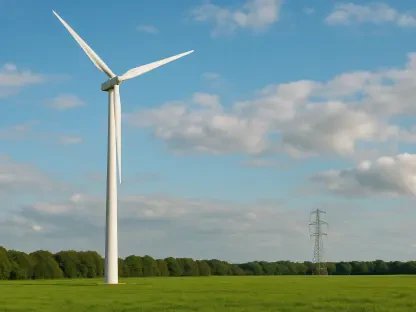
A pivotal moment in this evolution was the return to profitability for the wind power division, which recorded its first positive quarter recently after a long period of internal restructuring. Despite fierce competition from international manufacturers who often undercut prices, the stabilization of this segment allowed for a more confident move toward the Omterra consolidation. This financial recovery proved that the internal turnaround measures were effective even in a volatile market.
Leadership remains cautiously optimistic about the wind sector, acknowledging that the transition to sustainable energy requires a balanced portfolio. By integrating the profitable gas turbine business with the recovered wind segment, the company created a more resilient financial structure. This synergy is expected to provide the capital necessary for continued innovation in renewable technologies while maintaining the core services that power the world today.
Strategic Adaptation: New Infrastructure Demand
For stakeholders and industry observers, the transition to the Omterra framework represented a decisive response to supply chain constraints and heightened international competition. The organization prioritized long-term equipment procurement to bypass the multi-year lead times that previously plagued the sector. This proactive stance allowed the company to secure its position as a primary partner for nations looking to modernize their energy networks before the end of the decade.
The strategy also offered a blueprint for handling the decentralized energy loads that defined the new era of infrastructure. By focusing on expanding the manufacturing of core grid components like transformers, the company ensured that the physical infrastructure could support the rapid growth of both industrial hubs and digital centers. This forward-looking approach established a solid foundation for navigating the complexities of a high-demand, electrified global economy.