
Transitioning from Centralized Utilities to Decentralized Distribution Networks
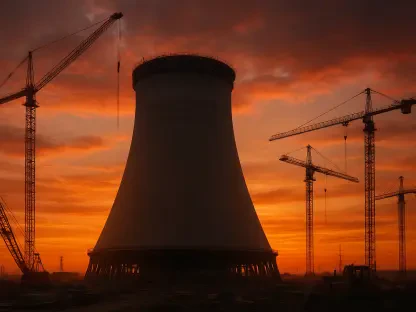
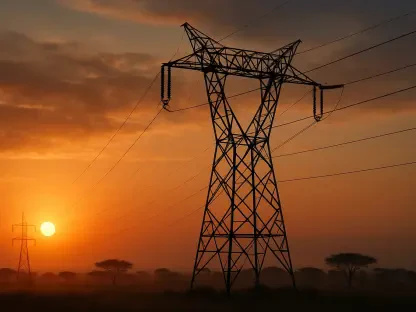
The traditional architecture of global energy infrastructure is undergoing a radical metamorphosis as the historical reliance on massive, centralized power plants gives way to a highly complex and multidirectional ecosystem of local energy generation. This shift represents a fundamental reimagining of the energy value chain built upon the pillars of decarbonization, decentralization, and digitalization. While large-scale wind farms often capture the headlines, the real struggle for dominance in the energy transition is currently happening within local distribution networks.
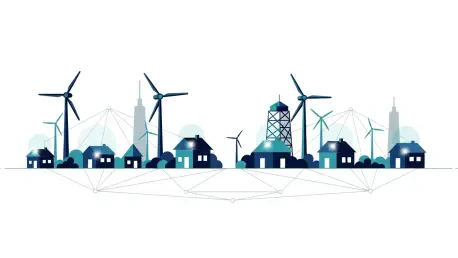
Utility providers are now forced to redirect their strategic focus toward residential and neighborhood-level infrastructure to keep pace with these changes. This pivot is necessary because the edge of the grid is where the most significant disruption occurs as individual households transform into active nodes. Moving away from the simplicity of one-way power delivery requires a sophisticated understanding of how small-scale assets interact with the wider system. Consequently, the modernization of these local networks is no longer a peripheral concern but a central requirement.
Analyzing the Prosumer Movement and Market Dynamics
The Emergence of Distribution Automation and Smart Energy Behaviors
The rise of the prosumer serves as the primary catalyst for the widespread adoption of rooftop solar panels and home battery systems across modern communities. These individuals are no longer passive recipients of a utility bill but are active market participants who influence the stability of the entire system. Their decisions to store or export surplus power create a dynamic environment that legacy grids were never built to handle. As these behaviors become more common, the relationship between the consumer and the utility undergoes a permanent structural change.
To manage this complexity, Distribution Automation serves as the vital conductor of an increasingly diverse energy orchestra. By deploying sensors and real-time visibility tools, utilities can transform their networks into self-healing entities that automatically identify and isolate faults. This technological shift allows for a level of precision in energy management that was previously impossible to achieve. It ensures that the grid remains resilient even as thousands of small-scale contributors inject power at various intervals throughout the day.
Growth Projections and the Influx of Renewable Integration
Market data suggests a significant acceleration in the decentralization of energy production starting from 2026 and extending into the next decade. Forecasts indicate that approximately 70 percent of new renewable generation will connect at the distribution level by 2030, putting immense pressure on existing local infrastructure. This influx of intermittent power requires utilities to develop new performance indicators that prioritize network stability and flexibility over simple throughput. The ability to balance these volatile inputs is becoming the hallmark of a successful modern utility.
As the grid continues to evolve, the transition of local networks from passive pipes to active, intelligent marketplaces is becoming inevitable. This evolution allows for the monetization of local energy resources, creating a system where power flows to where it is most needed in real time. Utilities must now view their infrastructure not just as a delivery mechanism but as a platform for energy exchange. This change in perspective is essential for accommodating the sheer volume of green energy entering the system from the bottom up.
Navigating the Technical and Operational Hurdles of Bidirectional Power Flow
The introduction of bidirectional power flow brings significant technical challenges, most notably network congestion and voltage instability. When thousands of solar panels begin exporting power simultaneously during peak sunlight hours, the local voltage can spike, potentially damaging sensitive electronics or triggering protective shutdowns. Legacy infrastructure, which was designed solely for unidirectional delivery, often lacks the sophisticated monitoring required to manage these fluctuations. Without intervention, green technologies could inadvertently destabilize the grid.
Overcoming these limitations requires a shift from reactive management to a proactive, data-driven orchestration of the network. Intelligent automation tools allow operators to predict when and where congestion will occur, enabling them to adjust grid parameters before a failure happens. This transition involves upgrading physical hardware to handle the unique stresses of multidirectional flow. By leveraging granular data, utilities can maximize the capacity of existing assets while delaying expensive physical expansions.
Governance and Standards for a Modernized Energy Infrastructure
Regulatory bodies are increasingly under pressure to align grid modernization efforts with global net-zero emissions targets. This regulatory imperative is driving a wave of new standards designed to facilitate the seamless integration of prosumer-generated power into the wider market. Policymakers recognize that a decentralized grid requires a unified framework for energy export, ensuring that participants are compensated fairly. These governance structures provide the necessary certainty for long-term capital investments in digital infrastructure.
Security remains a paramount concern in this new, digitalized environment as networks become more exposed to external threats. As the grid becomes more connected, it also becomes more vulnerable to cyber disruption, necessitating the implementation of mission-critical communications. Compliance with rigorous security standards is no longer optional for any utility operating in the modern landscape. Ensuring the integrity of the data flowing across the network is just as important as ensuring the continuous flow of electricity.
The Road Toward a Fully Orchestrated and Digitalized Grid
Establishing a robust digital backbone is the next logical step for utilities seeking to survive in a decentralized world. This foundation includes predictive maintenance algorithms and real-time analytical tools that allow for a constant assessment of grid health. Emerging disruptors, such as virtual power plants that aggregate thousands of small batteries into a single controllable resource, are already showing their potential. AI-driven energy balancing is poised to become the standard method for managing the high-frequency variations inherent in renewable power.
The future expansion of electric vehicle charging infrastructure and neighborhood-scale storage will further test the resilience of the grid. These assets represent both a challenge and an opportunity, as they can act as flexible loads or mobile batteries depending on the needs of the network. While global economic conditions may influence the speed of these infrastructure upgrades, the overall direction of the industry is clear. The convergence of transportation and energy sectors will necessitate an even deeper level of digital orchestration.
Embracing the Digital Imperative for a Sustainable Energy Future
The transition from passive consumption to active participation in the energy value chain fundamentally altered the strategic landscape for global utilities. Stakeholders recognized that the traditional model of centralized generation was no longer sufficient to meet the demands of a decarbonized society. Industry leaders prioritized the deployment of Distribution Automation to ensure that their networks could handle the volatility of bidirectional energy flows. This proactive approach provided the necessary flexibility to incorporate a diverse array of renewable resources while maintaining high reliability.
Ultimately, the shift toward a fully orchestrated grid proved that technological investment was the most effective path toward a sustainable future. Organizations that embraced the digital imperative were able to build resilient systems that remained viable despite the complexities of a decentralized world. Future efforts focused on refining AI-driven balancing tools and expanding the reach of virtual power plants to further optimize energy distribution. The successful integration of the prosumer into the wider energy ecosystem became the definitive achievement of the modern era.