
The global transition toward a circular economy has found an unexpected yet potent ally in the form of organic waste, which is currently being reimagined as a foundational energy asset rather than a disposal liability. As urban centers and agricultural regions alike face mounting pressure to reduce their carbon footprints, biomethane has emerged as a versatile, renewable gas that bridges the gap between traditional fossil fuel reliance and a fully electrified future. This fuel is not merely a replacement for natural gas but a vital component of a regenerative system that captures harmful emissions before they reach the atmosphere and repurposes them into high-value energy products. By integrating waste management with energy production, modern economies are discovering that the path to net-zero involves a sophisticated reuse of biological materials that were previously discarded. This shift is particularly relevant as industries seek immediate, scalable solutions that do not require a complete overhaul of the existing transmission and distribution networks that have powered society for decades.
Distinguishing Renewable Gas Sources
Defining Biogas: The Raw Product of Decomposition
At the earliest stage of the renewable gas lifecycle lies biogas, a raw mixture of gases produced by the natural breakdown of organic matter in an environment devoid of oxygen. This process, known as anaerobic digestion, occurs naturally in landfills but is harnessed more efficiently within industrial-scale anaerobic digesters. The resulting gas consists primarily of methane and carbon dioxide, but it also contains significant amounts of water vapor, hydrogen sulfide, and other trace contaminants that limit its direct utility. In its raw form, biogas serves effectively for on-site applications, such as fueling specialized engines to generate heat and electricity for the very facilities that produce the waste. This localized use is common on large-scale dairy farms and at municipal wastewater treatment plants, where the energy produced can offset operational costs and reduce the facility’s reliance on the external power grid. However, because its energy density is lower than that of refined natural gas and its chemical composition can be corrosive to standard appliances, raw biogas cannot be distributed through public pipelines without extensive treatment.
The limitations of raw biogas underscore the necessity of the refining processes that turn it into a high-performance fuel. While the production of biogas is a critical first step in waste mitigation, the inconsistencies in its methane content—usually ranging from fifty to seventy percent—make it incompatible with the precision requirements of modern industrial machinery and residential heating systems. Furthermore, the presence of siloxanes and moisture can lead to significant maintenance issues in standard combustion equipment over time. Despite these challenges, the biogas phase of the circular economy provides a necessary foundation for energy recovery from diverse feedstocks, including food scraps, manure, and sewage sludge. By capturing these gases at the source, operators prevent the direct release of methane, a potent greenhouse gas, into the atmosphere. This initial stage of the process sets the table for more advanced chemical engineering techniques that elevate the gas from a localized byproduct to a national-level energy commodity capable of supporting the broader decarbonization agenda.
The Chemical Evolution: Upgrading for Grid Compatibility
The transformation of raw biogas into biomethane, often referred to in the United States as Renewable Natural Gas, involves a sophisticated series of purification steps designed to remove every impurity and elevate the methane concentration to over ninety-seven percent. This upgrading process is what distinguishes a localized energy source from a utility-grade fuel that can be seamlessly blended with or used as a total replacement for fossil natural gas. Several technologies dominate this landscape, including pressure swing adsorption, water scrubbing, and advanced membrane separation. These systems are engineered to strip away carbon dioxide and other non-methane components, resulting in a product that is chemically nearly identical to the methane extracted from traditional geological sources. Because of this high degree of purity, biomethane can be injected directly into the existing national gas infrastructure without requiring any modifications to the pipelines, storage tanks, or the end-use appliances found in homes and factories.
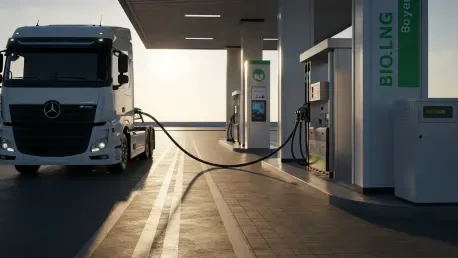
Beyond its chemical composition, the value of biomethane lies in its role as a “drop-in” solution that leverages trillions of dollars in existing global infrastructure investments. Unlike hydrogen, which often requires specialized alloy pipes to prevent embrittlement, or electricity, which demands massive upgrades to transmission lines to handle increased loads, biomethane utilizes the systems already in place. This compatibility allows for a rapid scaling of renewable energy deployment, as producers can utilize the vast network of existing gas mains to transport energy from rural agricultural hubs to densely populated urban centers. Moreover, the upgrading process allows the gas to be compressed or liquefied, turning it into Bio-CNG or Bio-LNG, which are essential fuels for the heavy-duty transport sector. By achieving pipeline quality, biomethane effectively decouples the benefits of gas-based energy from the environmental costs associated with fossil fuel extraction, providing a clear pathway for regions to decarbonize their heating and transportation sectors while maintaining the reliability and high energy density of gaseous fuels.
The Industrial Lifecycle of Biomethane
From Waste Streams to Sustainable Energy
The production of biomethane begins with a strategic logistics operation that identifies and collects organic feedstocks from a variety of disparate sectors. Agricultural operations are the primary contributors, offering vast quantities of livestock manure and crop residues that would otherwise decompose in open fields or lagoons. Municipalities contribute a significant volume through the collection of residential and commercial food waste, which is increasingly being diverted from landfills to specialized processing centers. Additionally, the industrial food and beverage sector provides high-strength organic wastes, such as brewery spent grains and dairy processing wash water, which are particularly rich in energy potential. This multi-sector approach ensures a steady and diverse supply of raw materials, protecting the production facility from seasonal fluctuations in any single feedstock. Once these materials arrive at the processing facility, they are often pre-treated to break down complex structures, ensuring that the microorganisms in the anaerobic digesters can work as efficiently as possible.
Inside the anaerobic digesters, the biological breakdown of the organic matter is carefully monitored to optimize gas yield. These large, sealed tanks are kept at specific temperatures—typically either mesophilic or thermophilic ranges—to support the growth of methane-producing bacteria. As the bacteria consume the organic matter, they release the raw gas that is captured at the top of the vessel. This biological process is a remarkable example of industrial biomimicry, replicating the natural decomposition process in a controlled environment where every byproduct is accounted for. The efficiency of this stage is critical, as even small improvements in the digestion rate can significantly increase the total energy output of the plant. Furthermore, the diversification of feedstocks can create synergistic effects, where mixing different types of waste leads to a more stable chemical environment and higher methane production than processing a single waste stream alone. This phase of the lifecycle represents the core of the circular economy, turning what was once a financial and environmental burden into a steady stream of renewable energy.
Circular Agriculture: The Value of Nutrient Recovery
A frequently overlooked but equally vital component of the biomethane lifecycle is the production of digestate, the nutrient-rich material that remains after the anaerobic digestion process is complete. This byproduct is far from being a waste; it is a high-quality organic fertilizer that contains the nitrogen, phosphorus, and potassium originally present in the feedstocks. Because the digestion process breaks down complex organic molecules, the nutrients in digestate are often more readily available for plant uptake than those in raw manure. By returning this digestate to the fields where the crops were grown, the agricultural sector can close the nutrient loop, reducing the need for synthetic, fossil-fuel-based fertilizers. This not only lowers the carbon footprint of crop production but also helps to improve soil health and structure over time. The recovery of these nutrients is a cornerstone of the circular economy, ensuring that the biological building blocks of our food system are not lost but are instead recycled through the energy production process.
The utilization of digestate also offers significant economic benefits for farmers and industrial operators by stabilizing fertilizer costs and providing a reliable source of soil amendments. In many regions, the over-application of raw manure has led to nutrient runoff into local waterways, causing significant environmental damage. The controlled application of digestate, which can be separated into liquid and solid fractions for easier transport and more precise application, helps to mitigate these risks. Solid digestate can be used as a soil conditioner or even processed into animal bedding, while the liquid fraction is an ideal liquid fertilizer for precision irrigation systems. This integrated approach turns a biomethane plant into a true biorefinery, where the primary goal of energy production is complemented by the creation of valuable agricultural products. As the world faces increasing pressure on global fertilizer supplies and rising environmental standards for nitrogen management, the role of digestate as a sustainable alternative becomes increasingly central to the long-term viability of the biomethane industry.
Strategic Drivers for Global Adoption
Infrastructure Utilization: Leveraging Existing Assets
One of the most powerful economic arguments for the expansion of the biomethane sector is its ability to utilize existing gas infrastructure that has already been permitted, built, and paid for. In the current energy landscape, where the construction of new high-voltage transmission lines or specialized hydrogen pipelines often faces decades of regulatory hurdles and community opposition, the ability to “drop in” a renewable fuel is a game-changer. Biomethane can flow through the same steel and plastic pipes that currently deliver natural gas to millions of homes and businesses, meaning that the transition to a low-carbon energy source can happen behind the scenes without the need for consumers to purchase new furnaces, water heaters, or stoves. This significantly lowers the societal cost of decarbonization, as it avoids the massive “stranded asset” problem that would occur if the entire gas grid were simply abandoned in favor of total electrification. Instead, the grid becomes a vital asset for the distribution of renewable energy.
Furthermore, the storage capabilities of the existing gas network provide a level of energy security that is difficult to replicate with battery-based systems alone. Gas can be stored in large quantities in underground salt caverns or depleted reservoirs for months at a time, providing a strategic reserve that can be tapped into during periods of peak winter demand or when renewable electricity generation is low. Biomethane fits perfectly into this storage model, acting as a form of “stored sunshine” or “stored wind” that can be dispatched whenever the grid requires it. This dispatchability makes it an essential partner for the broader renewable energy portfolio, ensuring that the lights stay on even when the weather is not cooperating. By leveraging this existing flexibility, policymakers can achieve carbon reduction targets more quickly and at a lower cost than by relying on any single technology. This infrastructure-first approach positions biomethane not as a competitor to electrification, but as a necessary and complementary tool for a resilient and diversified energy future.
Hard-to-Abate Industries: Transitioning Heavy Transport
While electrification is a viable path for light-duty passenger vehicles, many sectors of the economy remain “hard to abate” because they require high energy density and fast refueling times that current battery technology cannot provide. Heavy-duty trucking, international shipping, and certain high-temperature industrial processes fall into this category, as the weight and volume of batteries required to power them would be prohibitive. For these sectors, biomethane provides a practical and scalable alternative. Compressed biomethane and liquefied biomethane are already being used to power fleets of trucks and buses across the globe, offering the same performance and range as diesel but with a fraction of the greenhouse gas emissions. The ability to refuel a long-haul truck in minutes rather than hours is a critical operational requirement for the logistics industry, making renewable gas the most logical successor to fossil fuels in the heavy transport space.
In addition to transportation, high-temperature manufacturing industries such as glass, steel, and cement production require constant, intense heat that is difficult to generate using electricity alone. These facilities often rely on gas burners that are integrated into complex manufacturing lines. Switching these burners to biomethane allows for significant carbon reductions without requiring the expensive redesign of the entire production facility. This transition is essential for maintaining the competitiveness of industrial sectors in regions with strict carbon pricing mechanisms. By providing a renewable fuel that mimics the properties of natural gas, the biomethane industry enables these manufacturers to meet their sustainability goals while maintaining their current production methods. This role as a bridge for industrial decarbonization ensures that biomethane remains a critical component of the global energy mix, particularly in sectors where the physical limitations of electricity make it an impractical primary energy source.
Environmental Impact: Capturing Fugitive Methane
The environmental benefits of biomethane production extend far beyond the displacement of fossil fuels; the process itself serves as a critical tool for mitigating methane emissions from organic waste. Methane is a greenhouse gas with a global warming potential more than eighty times that of carbon dioxide over a twenty-year period, making its capture one of the most effective ways to slow climate change in the short term. When organic waste is left to rot in landfills or in open manure lagoons, it releases methane directly into the atmosphere. By diverting this waste into anaerobic digesters, the gas is instead captured and utilized for energy. This creates a “double win” for the environment: the prevention of methane leaks and the reduction of carbon dioxide emissions from fossil fuel combustion. In many cases, the lifecycle carbon intensity of biomethane can actually be negative, meaning that the process removes more greenhouse gas potential from the environment than it creates during its production and use.
This negative carbon intensity is a unique feature of certain biomethane pathways, particularly those that utilize manure or food waste that would have otherwise released methane during decomposition. Regulatory frameworks, such as the Low Carbon Fuel Standard in California, have recognized this by assigning very low or even negative carbon scores to biomethane, which in turn drives significant investment into the sector. Beyond climate benefits, capturing methane also reduces the odors and local air quality issues associated with traditional waste management practices. This makes biomethane facilities more compatible with neighboring communities than traditional landfills or open waste pits. As global climate policies increasingly focus on short-lived climate pollutants like methane, the strategic value of the biomethane industry as a mitigation tool will only continue to rise. This focus on the “upstream” benefits of gas production ensures that the industry is viewed not just as an energy provider, but as a critical component of modern environmental protection and waste management strategy.
Practical Applications and Regional Frameworks
Grid Integration: Decarbonizing Residential Heating
One of the most immediate applications for biomethane is its injection into the distribution grids that supply energy for residential and commercial heating. For millions of households, the transition away from fossil natural gas is a daunting prospect that could involve the costly replacement of boilers and the installation of heat pumps, which may not always be feasible in older or multi-family buildings. By injecting biomethane into the existing grid, utilities can lower the carbon footprint of their entire customer base simultaneously, without requiring any action or investment from individual homeowners. This “green gas” blend provides an equitable way to decarbonize heating, as the costs are spread across the utility’s operations rather than being placed solely on the consumer. As the percentage of biomethane in the grid increases, the overall emissions from the residential sector decline, providing a steady and predictable path toward meeting urban climate targets.
In addition to heating, biomethane plays a crucial role in providing flexible power generation for the electrical grid. Many countries rely on gas-fired “peaker” plants to provide electricity when demand spikes or when intermittent renewable sources like wind and solar are not producing enough power. By fueling these plants with biomethane instead of fossil natural gas, the grid can maintain its reliability while also reducing its carbon intensity. This dispatchability is a key advantage of biomethane over other renewable sources that are dependent on weather conditions. It allows for a more stable and resilient energy system that can respond to the dynamic needs of a modern economy. The ability to use the same gas for both heating and electricity production demonstrates the versatility of biomethane as a multi-purpose energy carrier that supports the stability of the entire national energy framework. This dual role ensures that gas infrastructure remains a valuable component of the net-zero strategy, even as the primary sources of gas shift from fossil to renewable.
Policy Landscapes: European and North American Contexts
The growth of the biomethane sector is being driven by diverse policy frameworks that reflect the unique energy priorities of different regions. In the European Union, the REPowerEU plan has set a target to produce 35 billion cubic meters of biomethane by 2030, driven by a desire to achieve both climate goals and energy independence. This ambitious target is supported by various national incentives, such as feed-in tariffs and green gas certificates, which provide the financial certainty needed for long-term investments. In the United Kingdom, the Green Gas Support Scheme has been instrumental in encouraging the development of new biomethane plants that inject gas directly into the national transmission system. These policies recognize that a domestic supply of renewable gas is not only an environmental necessity but also a strategic asset that reduces reliance on international energy markets and protects consumers from price volatility.
In North America, the market for Renewable Natural Gas has been primarily shaped by transport-focused policies like the federal Renewable Fuel Standard and state-level Low Carbon Fuel Standards. these programs create a market for environmental credits that can be sold by biomethane producers to fuel suppliers, effectively subsidizing the production of low-carbon gas. This has led to a surge in projects focused on capturing methane from dairy farms and landfills, as these pathways often provide the highest credit values. More recently, there has been a shift toward voluntary corporate procurement, where large companies purchase biomethane to meet their own internal sustainability targets for their buildings or manufacturing processes. While the regulatory environments differ between Europe and North America, both regions are moving toward a more integrated approach that recognizes the value of biomethane across multiple sectors. The continued evolution of these policies will be crucial for overcoming the remaining barriers to adoption, such as the high cost of grid connection and the need for more streamlined permitting processes.
Economic Incentives: Driving Institutional Investment
The maturation of the biomethane industry has attracted a new wave of institutional investment, as banks, pension funds, and private equity firms recognize the long-term stability and growth potential of the sector. Unlike earlier stages of renewable energy development, which were often seen as high-risk, biomethane projects now offer predictable cash flows supported by long-term contracts and government-backed incentive programs. The dual-revenue model—where income is generated from both the sale of energy and the sale of environmental credits—provides a diversified financial structure that is attractive to conservative investors. Additionally, the integration of biomethane with other essential services like waste management and fertilizer production adds layers of economic resilience that are not present in more single-purposed energy projects. This influx of capital is allowing for the construction of larger, more efficient facilities that can achieve economies of scale and drive down the overall cost of production.
Furthermore, the rise of Environmental, Social, and Governance (ESG) reporting requirements has made biomethane an attractive option for corporations looking to demonstrate concrete progress toward their sustainability goals. Investing in or purchasing biomethane allows these companies to address their Scope 1 and Scope 2 emissions in a way that is verifiable and transparent. This corporate demand is creating a robust secondary market for biomethane, providing an additional layer of financial support for project developers. As the cost of carbon continues to rise globally through taxes or cap-and-trade systems, the economic advantage of switching from fossil gas to biomethane will only become more pronounced. This alignment of financial incentives with environmental outcomes is creating a self-sustaining cycle of investment and growth that is essential for the long-term success of the industry. By positioning biomethane as a key pillar of a resilient and profitable circular economy, developers are proving that sustainability and financial performance can go hand in hand.
Future Outlook and Technical Evolution
Technological Advancements: Improving Yield and Purity
Innovation within the biomethane sector is currently focused on enhancing the biological and mechanical processes that determine the efficiency of gas production and upgrading. New research into specialized microbial consortia and bio-augmentation is allowing operators to process a wider range of feedstocks, including those with high lignin content that were previously difficult to digest. By optimizing the microbial environment inside the digesters, facilities can achieve higher methane yields and faster processing times, which directly improves the economic viability of each project. Additionally, the development of next-generation membrane technologies and cryogenic separation systems is making the upgrading process more energy-efficient, reducing the amount of electricity required to produce a cubic meter of pipeline-quality gas. These technical improvements are essential for lowering the overall cost of biomethane and making it more competitive with fossil-based energy sources.
Beyond the gas itself, the capture and utilization of biogenic carbon dioxide produced during the upgrading process is turning biomethane plants into sophisticated biorefineries. This high-purity carbon dioxide can be used in the food and beverage industry for carbonation, in greenhouses to stimulate plant growth, or even as a feedstock for the production of synthetic fuels and chemicals. By finding valuable applications for every part of the raw biogas stream, operators are maximizing the resource efficiency of their facilities and creating additional revenue streams. This focus on “full-stream utilization” is a key characteristic of the evolving biomethane industry, where the goal is to eliminate waste in all forms. As these technologies mature and become more widely deployed, the environmental and economic profile of biomethane will continue to improve, cementing its role as a cornerstone of the circular economy. The ongoing digital transformation, including the use of artificial intelligence for real-time process monitoring, is further enhancing these gains by allowing for more precise control over complex biological systems.
Strategic Partnerships: Biomethane and Hydrogen Synergy
In the broader context of the global energy transition, biomethane and hydrogen are increasingly viewed as complementary partners rather than competing technologies. While hydrogen is expected to play a massive role in the long-term decarbonization of heavy industry and shipping, the infrastructure required to support a “hydrogen economy” is still in its early stages of development. Biomethane, conversely, is a solution that is ready for deployment today, utilizing existing gas networks and equipment to deliver immediate carbon reductions. In many scenarios, biomethane can serve as a transitional fuel that prepares the gas grid for eventual hydrogen blending. Some advanced projects are even exploring the use of “bio-hydrogen,” where biomethane is reformed to produce hydrogen while capturing the resulting biogenic carbon dioxide, creating a carbon-negative energy source. This synergy allows for a phased and flexible transition that manages costs and technological risks over time.
The integration of these two gaseous fuels also offers unique opportunities for energy storage and grid balancing. For instance, excess renewable electricity can be used to produce hydrogen through electrolysis, which can then be combined with the biogenic carbon dioxide from a biomethane plant to produce “synthetic methane” through a process called methanation. This effectively turns the carbon dioxide byproduct into additional renewable fuel, further increasing the energy output of the facility and providing a way to store surplus solar and wind power in the gas grid. This collaborative approach between the biomethane and hydrogen sectors represents a sophisticated level of energy system integration that is necessary for a truly resilient net-zero economy. By leveraging the strengths of both gases—biomethane for its immediate infrastructure compatibility and hydrogen for its long-term scalability—policymakers can create a more robust and diverse energy portfolio. This partnership ensures that gaseous fuels remain a central and sustainable part of the global energy landscape for the foreseeable future.
Resilient Models: Integrating Localized Resource Loops
The long-term success of the biomethane industry was ultimately built on the establishment of localized resource loops that integrated energy production with regional waste management and agricultural systems. Successful projects demonstrated that the value of biomethane extended beyond its role as a fuel, as it provided a centralized hub for nutrient recovery and methane mitigation that benefited the entire local community. By processing regional waste and returning digestate to nearby farms, these facilities reduced the environmental impact of both urban and rural operations while creating stable, high-skilled jobs in the local economy. This decentralized model of energy production proved to be highly resilient, as it shielded regions from the price shocks of the global energy market and ensured that essential services like waste disposal and fertilizer supply remained functional even during periods of international instability. The focus on regional self-sufficiency became a hallmark of the most successful circular economy initiatives, proving that energy security was most effectively achieved through the smart management of local resources.
Strategic planners recognized that the transition to a net-zero economy required a diverse array of solutions, and they prioritized biomethane as a critical tool for addressing the most difficult challenges in heating and heavy transport. The industry’s ability to evolve technologically—improving methane yields, reducing energy consumption during upgrading, and finding high-value uses for biogenic carbon dioxide—ensured its continued relevance in a rapidly changing energy landscape. By fostering partnerships between waste managers, farmers, utilities, and industrial consumers, the biomethane sector created a robust ecosystem that balanced economic growth with environmental integrity. The experience gained during this period of expansion provided a clear blueprint for other sectors of the circular economy, highlighting the importance of infrastructure compatibility, multi-revenue business models, and rigorous sustainability standards. Ultimately, the integration of biomethane into the national energy fabric provided a practical and scalable path toward a more sustainable future, showing that the waste of today was indeed the fuel of tomorrow.