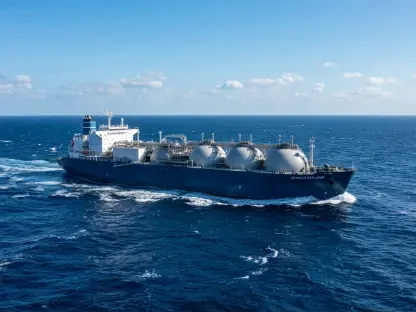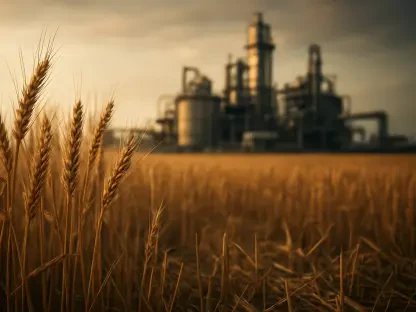

Bio-LNG has emerged as a mature technology for the heavy goods vehicle sector, offering a range exceeding one thousand kilometers and a significant reduction in fuel costs. As the European energy landscape continues to transform in 2026, Verbio is leading a fundamental shift from being a
A standard IoT power system usually relies on disposable coin cells, but these components drive up total cost of ownership by thirty to fifty percent. As the industry advances in 2026, the reliance on these single-use batteries has become a major hurdle for scalability and environmental

Hydropower serves as a critical pillar for Belgium's national energy security, providing the peak-load support necessary to prevent grid instability during the nuclear phase-out. As the nation maneuvers through the complexities of its long-term energy transition, the reliance on hydroelectric

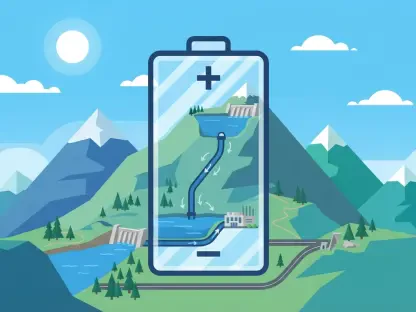
The global transition toward carbon neutrality in 2026 has transformed the hydroelectric sector from a reliable baseload power source into a critical, high-speed flexibility partner for unstable renewable grids. While wind and solar power provide the bulk of new capacity, their inherent variability
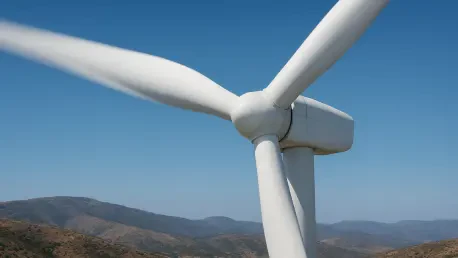
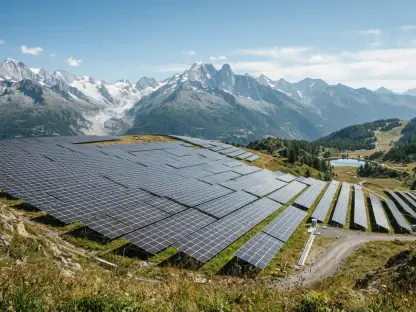
The transformative power of the wind and sun is no longer just an environmental aspiration but a fundamental pillar of economic survival for a nation once tethered to foreign fossil fuel imports. Türkiye has executed a decisive pivot toward domestic energy sources, positioning itself as a dominant
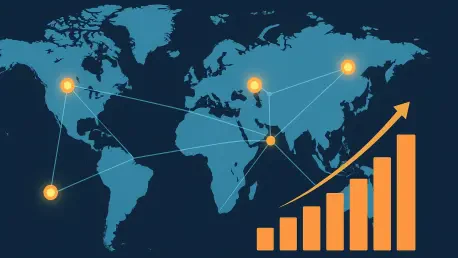
The global energy system stands at a profound crossroads where the demand for reliable power intersects with the urgent necessity to elevate the living standards of billions across the developing world. As of 2026, the international community faces the monumental task of fueling economic expansion