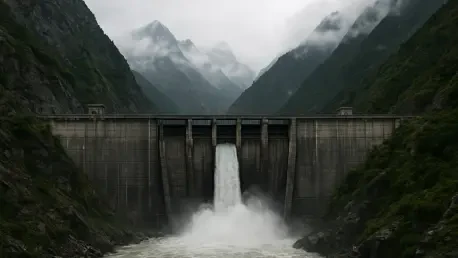

The tragic loss of life at sites like Upper Trishuli and Rasuwagadi has highlighted the urgent need for mandatory safety protocols during the high-risk construction phase of water projects. Since the catastrophic flooding events of August 2024, Nepal has been forced to confront the reality of its energy dependence and the increasing vulnerability of its infrastructure. While some observers suggested a complete halt to new dam construction, a more balanced perspective has emerged among policymakers and industry experts. The current economic structure is deeply intertwined with the hydropower industry, which supports essential sectors ranging from banking and insurance to heavy manufacturing and construction. With approximately 260 projects currently in various stages of construction and over 360 more in the planning pipeline, the industry remains a primary engine of national growth. However, the framework of this development is being completely overhauled to ensure that infrastructure can withstand the volatile climate conditions of the Himalayan region. This transition is not about stopping growth, but about building for survival in a new hydrological reality.
Assessing Evolving Himalayan Hazards
Redefining Risk: The Shift in Hydrological Modeling
The disasters of recent years highlighted a significant shift in the nature of mountain hazards, introducing lethal categories that go beyond traditional glacial lake outburst floods. Nepali engineers must now account for a third, more unpredictable category: floods caused by the sudden collapse of glaciated slopes. These events often occur without the warning signs associated with traditional lake breaches, and they can carry massive volumes of debris that bypass many historical safety assumptions. There is a growing consensus within the technical community that historical data is no longer a reliable predictor of future river behavior. The industry is moving toward a mandate for more rigorous climate-risk assessments that analyze entire drainage basins rather than focusing solely on immediate riverbanks. This requires a sophisticated cadre of hydrologists who can model the stability of hanging glaciers and the potential for extreme rainfall events that were previously considered statistical outliers.
Current engineering standards are being updated to address the reality that “100-year floods” are now occurring with alarming frequency, sometimes appearing once every decade. This shift necessitates a move away from optimistic hydrological projections toward a more conservative and safety-oriented approach in project design. Modern modeling now includes the simulation of high-velocity debris flows and sediment loads that can overwhelm standard intake structures and turbines. By utilizing real-time hydro-meteorological data and satellite monitoring, developers are attempting to create a dynamic understanding of the river systems. This comprehensive modeling is essential for identifying which river basins are too high-risk for development and which can be managed with advanced technical interventions. The ultimate goal is to ensure that every new kilowatt of power added to the national grid is backed by a robust understanding of the changing mountain environment and the cascading risks associated with a warming climate.
Structural Resilience: Engineering for Extreme Scenarios
To address these emerging threats, the industry is prioritizing advanced engineering designs that prioritize long-term operational survival over the maximization of immediate power output. One of the most significant changes involves the physical placement of critical infrastructure; future projects are being designed to position powerhouses much higher above river levels than was previously standard. While this may result in the sacrifice of some hydraulic head—the vertical distance the water falls—it significantly reduces the risk of expensive equipment being inundated during a flash flood. Furthermore, engineers are increasingly specifying the installation of specialized, heavy-duty gates designed to isolate tunnels and underground chambers within seconds of a detected surge. These structural fortifications are intended to protect the most expensive components of a hydropower plant from the massive sediment loads and boulders typical of modern Himalayan floods, ensuring that the facility can return to service quickly after an event passes.
Beyond the physical dams and powerhouses, the industry is implementing sophisticated early warning systems that utilize remote sensors and automated triggers. These systems are designed to provide critical minutes of lead time, allowing for the emergency shutdown of equipment and the evacuation of personnel before floodwaters reach the site. The integration of these technologies represents a move toward “smart” infrastructure that can react to environmental changes in real-time. Additionally, structural reinforcements are being applied to substations and transmission towers to prevent the total collapse of the energy grid when localized disasters occur. By building this level of redundancy and protection into the system, Nepal is attempting to create an energy backbone that is resilient enough to withstand the “new normal” of the mountains. This shift in engineering philosophy reflects a broader realization that the cost of resilience is far lower than the cost of reconstruction and the long-term loss of energy production.
Strategic Diversification and Energy Security
Expanding the Renewable Portfolio: Solar and Wind Integration
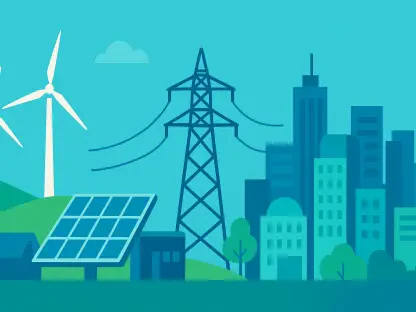
One of the most significant themes in the current energy discourse is the urgent need to revise Nepal’s energy targets to move beyond a water-centric model. While the previous benchmarks for non-hydropower renewables were modest, there is now a strong push to ensure that 25% to 33% of total power generation comes from solar and wind sources by the next decade. This diversification is seen as a vital insurance policy for the national grid, providing a reliable alternative during the monsoon seasons when hydropower assets are most vulnerable to debris-laden flash floods. Solar power, in particular, offers a complementary generation profile, as its peak production often coincides with the periods when river flows are either dangerously high or seasonally low. By integrating these diverse energy sources, Nepal can create a more stable and predictable power supply that is less susceptible to the specific environmental shocks that plague the country’s steep river valleys.
The transition toward a multi-resource energy grid also involves the deployment of decentralized solar and wind projects in regions that are geographically isolated from the main river systems. The trans-Himalayan districts, such as Mustang and Dolpo, offer exceptionally high solar irradiation and significant wind potential with relatively low exposure to the flooding hazards found on the southern slopes. Investing in transmission infrastructure to these remote regions allows the government to tap into safer energy reservoirs that are not dependent on river flow or seasonal precipitation patterns. This geographical hedging ensures that even if a catastrophic flood disables a major hydropower cluster in one province, the national grid can maintain stability through decentralized assets located in high-altitude rain shadows. This strategic move is not merely about environmental preference but is a fundamental requirement for national energy security in an era where traditional water resources are becoming increasingly unpredictable.
Regulatory Responsibility: State Mandates and Financial Oversight
A unified perspective has emerged regarding the division of responsibility between the state and private developers in this high-risk environment. The Ministry of Water Resources and Irrigation is currently establishing a new mandate to map and identify river basins with the highest exposure to glacier-related hazards. This government-led initiative provides a baseline of risk data that must be integrated into the licensing process for all new energy projects. By making this information public and mandatory, the state ensures that individual investors are not solely responsible for primary hazard assessments, which were often performed with varying degrees of rigor in the past. This regulatory shift is expected to prevent the construction of projects in inherently unstable locations and will force developers to address site-specific risks before the first stone is laid. Transparency in risk data is becoming the new standard for the industry, ensuring that growth is managed with a clear-eyed view of the physical reality.
From a financial standpoint, the market is beginning to enforce higher safety standards through more stringent insurance premiums and lending requirements. Banks and insurance companies now demand robust Emergency Action Plans and real-time monitoring systems as non-negotiable prerequisites for project funding. Projects that demonstrate foresight, such as those incorporating resilient engineering and advanced warning technologies, are being rewarded with lower financing costs and better insurance terms. Conversely, projects that prioritize short-term cost savings over long-term durability are finding themselves increasingly uninsurable and financially unviable. This market-driven pressure, combined with new government safety mandates, is creating a powerful incentive for developers to adopt the highest international standards for construction and operation. Ultimately, these regulatory and financial shifts are transforming the hydropower sector from a high-stakes gamble into a disciplined industry focused on sustainable, long-term energy production.
Future Resilience: Strategic Next Steps
The evolution of the energy sector in Nepal followed a path defined by hard-earned lessons and a commitment to technical adaptation. As the industry moved toward a more resilient future, policymakers successfully implemented a tiered risk-management framework that balanced economic growth with environmental reality. Engineers adopted conservative design standards that prioritized infrastructure longevity, while the government expanded the national energy mix to include significant contributions from solar and wind power. These actions transformed the grid into a diversified system that proved its worth by maintaining stability during recent seasonal fluctuations. The financial sector played a crucial role by enforcing safety protocols through risk-based pricing, ensuring that only the most robust projects reached completion. By treating climate volatility as a core technical challenge rather than an insurmountable obstacle, the nation secured a sustainable energy future that respected the power of the Himalayas. This transition established a new global benchmark for how mountain economies could successfully navigate the complexities of a changing environment.