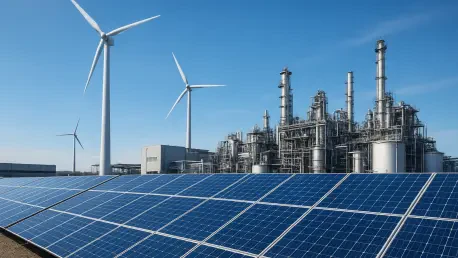
Industry experts at the American Biogas Council anticipate that billions of dollars in sidelined capital will soon flow into the domestic energy sector following the release of long-awaited IRS regulatory guidance. The Clean Fuel Production Tax Credit, formally known as Section 45Z, represents a

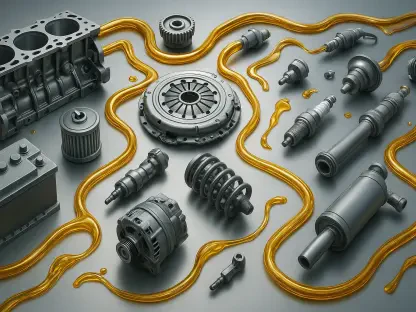
The mechanical heart of the European automotive sector is undergoing a profound transformation as the silent hum of electric motors replaces the rhythmic vibration of internal combustion engines across the continent. In 2026, the consolidation of component manufacturing into localized hubs

The tectonic plates of the North American energy corridor are currently shifting as a long-dormant titan from South America begins to stir, directly challenging the established dominance of the Canadian oilsands. For nearly a decade, Canadian producers have enjoyed a near-monopoly on the supply of
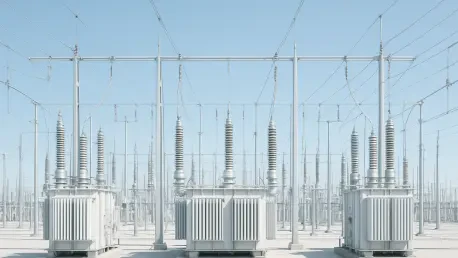
The rapid evolution of cross-border infrastructure in the Eastern Mediterranean suggests that the power balance is shifting toward a more integrated and technologically advanced energy network. Current diplomatic engagements highlight a pivot where energy security is no longer viewed as a national

A proposed amendment to the NCA5 aims to remove high-end emissions scenarios, a move that critics argue would fundamentally undermine the report’s ability to guide national risk management. This development arrives at a critical juncture for federal climate policy, as the Fifth National Climate

The industrialization of sorghum surpluses in Tamaulipas aims to leverage one million hectares of cultivation to create a reliable domestic ethanol supply. This initiative represents a cornerstone of the broader shift across North America, where renewable fuels are no longer just a theoretical