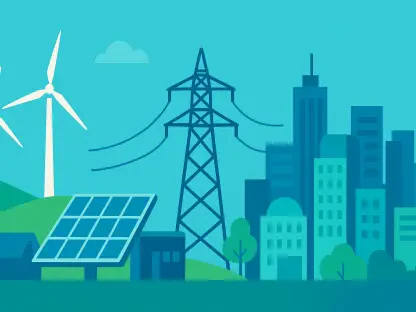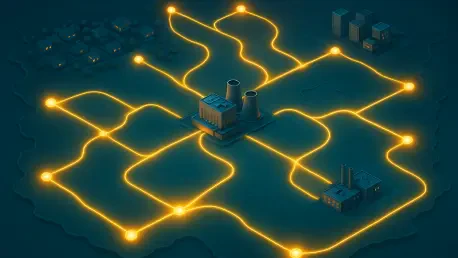

The global energy landscape is currently undergoing a radical transformation as traditional fossil fuel giants pivot toward integrated power systems that bridge the gap between extraction and consumption. The PJM Interconnection serves as the vital heartbeat of the American grid, providing power to approximately 70 million people across a vast geographic footprint. This wholesale market has become the primary theater for companies seeking to redefine their role in a world moving away from unrefined commodity sales.
By securing an 87.71 percent stake in the Lackawanna Energy Center, Equinor is moving away from being a simple producer of raw fuel to becoming a comprehensive energy provider. This 1,483-megawatt facility represents a critical component of a vertical value chain that ensures stability in a volatile market environment. This acquisition allows for the direct conversion of upstream gas production into high-value electricity, effectively insulating the company from the pricing fluctuations often found in the Appalachian Basin.
The Strategic Shift: Toward Integrated Energy Production in North America
The North American power sector is currently witnessing a massive consolidation of assets as players in the Appalachian Basin seek to capture more of the value chain. High-efficiency combined cycle gas-fired plants are the preferred vehicle for this transition because they offer the flexibility needed to support a modern grid. Equinor’s strategy involves leveraging its existing gas assets to feed these plants, creating a closed-loop system that maximizes profit at every stage of energy production.
This industrial logic is centered on the idea that gas is more valuable when sold as a finished product—electricity—rather than as a raw material. Linking upstream output to downstream generation provides a natural hedge against low gas prices, ensuring that the company can remain profitable even when market conditions are unfavorable. Moreover, this model allows for greater operational control over the entire energy delivery process, from the wellhead to the transformer.
Analyzing the Driving Forces: The PJM Electricity Market
Surge in Data Centers and Industrial Electrification
The rapid expansion of artificial intelligence and cloud computing has triggered a massive surge in demand for continuous, high-capacity electricity. Data centers require 24/7 baseload power that renewable sources alone cannot yet provide without significant battery storage. Combined cycle gas plants like Lackawanna offer a solution by utilizing advanced gas-to-power technologies that reduce carbon intensity while maximizing energy output for high-demand industrial clients.
Industrial reshoring and the electrification of the broader economy are further straining existing capacity. As more manufacturing processes move back to U.S. soil, the need for reliable energy becomes a matter of national economic security. Equinor utilizes its Appalachian assets to feed this demand, positioning itself as a primary supplier for the digital and industrial sectors that are currently driving American economic growth.
Projecting Demand: Capacity Growth in the Northeast
Recent market data regarding electricity price trends within the PJM territory indicate a tightening supply-demand balance that favors existing generation assets. Capacity auctions have shown that the value of reliable, firm power is increasing as older, less efficient units are retired across the Pennsylvania energy corridor. The 940 million dollar investment in Lackawanna is a calculated bet that regional energy deficits will continue to drive up the value of modern gas-fired generation.
Financial performance indicators suggest that the proximity of these assets to major load centers in the Northeast will result in robust cash flows from 2026 to 2028. Projections for the regional grid show that gas-fired generation remains a necessity for maintaining stability as the energy mix evolves. This strategic location allows the facility to command premium prices during periods of peak demand, further validating the industrial logic behind the acquisition.
Navigating the Complexities: Large-Scale Power Infrastructure Investments
Operating a massive facility like the Lackawanna Energy Center involves managing inherent natural gas price volatility and significant technical challenges. To mitigate these risks, Equinor employs sophisticated hedging strategies that lock in margins and protect the company from sudden market shifts. Maintaining the efficiency of such a large plant requires constant technological oversight to ensure that the facility remains competitive against newer entries in the power market.
The dual challenge of meeting immediate energy needs while adhering to long-term corporate decarbonization goals remains a top priority for management. Strategic partnerships, such as the ongoing collaboration with Invenergy, allow Equinor to leverage deep operational expertise while focusing on capital allocation. This arrangement minimizes management risks and ensures that the plant is operated according to the highest industry standards for reliability and safety.
Adapting to the Evolving Regulatory and Compliance Framework
Compliance with Federal Energy Regulatory Commission standards and PJM market rules is essential for securing long-term investment returns in the power sector. State-level environmental regulations in Pennsylvania continue to evolve, requiring operators to be proactive in their approach to carbon monitoring and emissions reduction. Equinor is positioning its portfolio to exceed these standards, viewing compliance as a competitive advantage rather than a mere administrative burden.
Security measures and reliability standards for critical infrastructure have become increasingly stringent in response to emerging global threats. Operators must now invest heavily in cybersecurity and physical protection to ensure the integrity of the U.S. power grid. By meeting these high bars for operational excellence, the company secures its standing as a trusted partner in the American energy landscape while preparing for future carbon pricing mechanisms.
The Future of Energy Convergence and Grid Modernization
Integrated energy companies are now positioning themselves as bridge providers that facilitate the transition toward a more diversified energy future. The potential for integrating renewable assets with gas-fired firming capacity is a key part of the strategy to stabilize the grid. This combination allows for the delivery of round-the-clock clean energy, which is increasingly preferred by corporate consumers who have committed to strict sustainability targets.
Global economic conditions have made the United States a safe-haven destination for large-scale capital deployment in the energy sector. The transparent regulatory environment and robust demand for infrastructure modernization provide a stable backdrop for long-term investments. As the grid becomes more complex, the ability to provide reliable, dispatchable power will remain a premium service that integrated energy firms are uniquely equipped to deliver.
Synthesis of Equinor’s Long-Term Positioning and Financial Resilience
The acquisition of the Lackawanna Energy Center demonstrated how industrial logic could be paired with financial discipline to capture market share in a crowded field. Analysts realized that the next steps for the company involved a deeper integration of digital monitoring tools to optimize the dispatch of electricity across the PJM grid. Management prioritized the use of robust adjusted operating income to fund these technological upgrades, ensuring the facility remained a top-tier asset.
Future strategies focused on exploring the potential for hydrogen blending within existing gas turbines to further reduce the carbon footprint of the generation portfolio. Investors viewed the consistent dividends and share buy-backs as a sign of confidence in the ability of the integrated model to withstand commodity price cycles. Ultimately, the decision to pivot toward the American power market provided a blueprint for how legacy energy firms transformed themselves into modern, diversified powerhouses.