Christopher Hailstone is a seasoned veteran in the energy sector, specifically recognized for his deep understanding of how utility giants navigate the shifting landscape of grid reliability and large-scale infrastructure. With the rapid expansion of artificial intelligence and cloud computing, the

The relentless expansion of digital intelligence is colliding with a physical reality that was never designed to handle the sheer magnitude of power required by modern hyperscale computing. For nearly half a century, the American electrical grid functioned under a predictable utility model

The national power grid of China has evolved into a sophisticated nervous system that sustains a sprawling economy rapidly digitizing its industrial base and decarbonizing its energy supply. This infrastructure now serves as a fundamental pillar of national strategy, acting as the primary conduit

The rapid expansion of artificial intelligence is currently colliding with a fossilized electrical grid that cannot keep pace with the massive energy demands of modern high-compute facilities. This friction has triggered a fundamental decoupling of digital growth from centralized utility schedules.
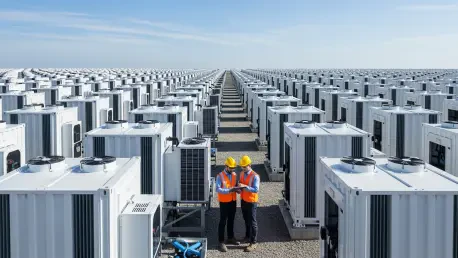
The transformation of a standard industrial container into a pressurized vessel of electrochemical energy holding enough power to sustain an entire city district represents the most significant shift in power management since the invention of the AC grid. As the global power infrastructure
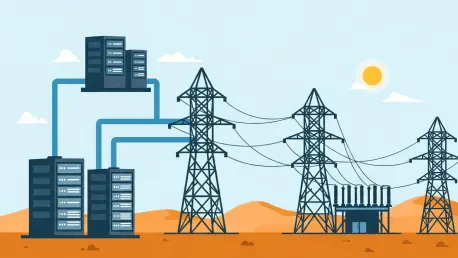
Nevada's expansive high-desert landscape is currently transforming into a global digital nervous system, yet the sheer volume of electricity required to power this evolution has ignited a high-stakes legal confrontation between a traditional utility giant and a massive infrastructure developer.