
Developing nations face the complex challenge of balancing the immense energy demands of international data centers against the basic needs of domestic households. As the rapid evolution of artificial intelligence fundamentally reshapes the global energy landscape, it drives a massive surge in demand for reliable, carbon-neutral electricity that few sources can satisfy consistently. Data centers are expanding at an unprecedented rate to accommodate the heavy computational requirements of large language models and neural networks, forcing technology companies to move beyond standard renewable energy credits toward more direct energy procurement strategies. Hydropower has emerged as the quintessential partner for this digital expansion, offering a unique combination of baseload stability and long-term storage that weather-dependent sources like wind and solar simply cannot provide. Recent projections indicate that global electricity consumption by these facilities is expected to nearly double by 2030, reaching approximately 950 terawatt-hours.
Strategic Shifts: The Rise of Direct Asset Ownership
A notable trend in the tech industry involves a transition from being passive consumers of electricity to becoming active owners of hydroelectric infrastructure. Digital infrastructure providers are increasingly acquiring operational hydropower plants to secure a dedicated and private power supply. For example, the Italian cloud provider Aruba recently expanded its portfolio to include multiple facilities along the Stura di Lanzo river, totaling over 11 megawatts of capacity. By owning the generating assets, these companies can insulate themselves from the volatility of the global energy market while aligning the maintenance and operational flow of the plants with their specific data processing peaks. This direct control ensures that even during periods of grid instability, the AI processing units remain powered by a steady flow of water-generated electricity. Such acquisitions represent a fundamental shift in how the technology sector views its relationship with the physical environment and the utilities that support it.
Infrastructure Resilience: Modernizing Legacy Hydroelectric Plants
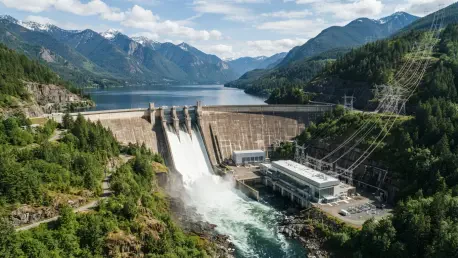
This model of direct ownership is particularly beneficial for smaller run-of-river facilities and legacy plants that may have previously lacked the capital for modernization or grid connection improvements. When these assets are integrated into a tech company’s portfolio, they receive the necessary investment to ensure long-term resilience and operational efficiency. This strategy not only guarantees a green energy source but also allows data center operators to exert greater control over their carbon footprint and supply chain reliability. Modernizing older dams with newer turbine technology can increase output significantly, providing the green fuel necessary for the next generation of massive server farms. Furthermore, these private energy networks can often feed surplus power back into the local grid during emergencies, creating a buffer for the surrounding community. This dual-purpose investment strategy is becoming a hallmark of responsible corporate governance in the tech sector, turning aging infrastructure into high-tech assets.
Integrated Infrastructure: Co-Development of Energy and Digital Systems
The integration of power generation and digital demand has reached a new level through the simultaneous planning of energy projects and data center platforms. This integrated infrastructure model involves building massive hydroelectric facilities, such as pumped storage plants, alongside the very data centers they are intended to power. A prime example is the multi-billion dollar Kobong project in Lesotho, which aims to combine 1,200 megawatts of pumped storage and solar generation with a large-scale AI data center hub. This approach creates a symbiotic relationship where the data center acts as an anchor tenant, providing a guaranteed market for the electricity even before the power plant is fully constructed. By aligning the construction phases of both the energy source and the consumption site, developers minimize the traditional risks associated with grid expansion and transmission losses. This model proves that the future of heavy computing lies in localized, high-capacity energy ecosystems.
Financial Viability: Risk Management in Large-Scale Engineering
By establishing a pre-determined demand for the energy produced, developers can more easily secure the massive financial backing required for large-scale engineering projects that might otherwise seem too risky for traditional lenders. However, this model requires precise coordination and complex risk-sharing agreements between energy providers and tech firms to ensure that both parties are protected against delays. The success of such ambitious schemes depends on strictly synchronized construction timelines, ensuring that neither the digital infrastructure nor the power generation assets are left underutilized during the initial development phase. Contractual innovations, such as capacity payments and long-term take-or-pay agreements, are becoming the standard tool for financing these massive undertakings. This synergy ensures that the capital-intensive nature of hydropower is offset by the high-revenue potential of AI services, creating a financially stable platform for future growth across both industries.
Economic Magnets: Hydropower as a Catalyst for Growth
Nations blessed with abundant water resources are increasingly leveraging their hydroelectric capacity to attract international technology investment and foster local industries. Regions in East Africa, for example, are marketing their surplus energy from major dam projects like the Grand Ethiopian Renaissance Dam as a primary incentive for global tech giants to establish regional AI hubs. These countries are transforming their natural geographic advantages into digital ones, positioning themselves as competitive players in the global high-tech economy. The massive 5,150-megawatt capacity of such dams provides the reliability needed for high-performance computing that few other regions can offer at such a low cost. This strategy serves a dual purpose: it generates foreign direct investment and provides the necessary infrastructure to digitize the local economy. As these projects come online, they create high-skilled jobs and encourage the development of local tech ecosystems that can leverage the proximity to power.
Environmental Synergy: Natural Cooling and Operational Efficiency
Beyond just the availability of cheap electricity, many hydropower-rich regions offer environmental benefits such as high altitudes and cooler climates which are ideal for hardware performance. These conditions naturally reduce the energy required to cool massive server arrays, providing a double benefit of renewable power and lower operational overhead. As a result, the proximity to large-scale hydroelectric plants is becoming a decisive factor in where the next generation of global data infrastructure will be built, fostering a new era of energy-driven industrial synergy. However, these nations must also invest in high-speed fiber-optic connectivity and robust regulatory frameworks to fully capitalize on their energy abundance. Without the accompanying digital infrastructure, the energy remains an untapped resource for the tech world. The race is now on among developing nations to build the most data-friendly hydroelectric environments, combining natural resources with modern policy to attract leaders.
Global Collaboration: Establishing Sustainable Industrial Partnerships
The collaboration between the hydropower industry and the digital sector required a fundamental shift in how global infrastructure was planned and executed. It was observed that the most successful projects were those that prioritized transparency and community engagement from the outset, ensuring that the local population benefited from the new energy capacity. In the past, many large-scale energy projects failed to deliver on their promises due to a lack of local integration, but the modern approach changed that trajectory. Governments and tech firms worked together to build schools, clinics, and local micro-grids alongside the massive data hubs, creating a more equitable distribution of resources. This past success demonstrated that the path to sustainable digital growth was not just through technology, but through social responsibility and inclusive planning. By looking back at these milestones, it is clear that the integration of digital and physical infrastructure served as a catalyst for a more resilient world.
Future Standards: Scaling the Green Computing Revolution
To build on this momentum, stakeholders must now focus on creating standardized commercial frameworks that simplify the partnership between energy producers and data center operators. Actionable steps include the development of international certifications for AI-ready hydropower facilities, which would guarantee both the environmental credentials and the technical reliability of the power supply. Furthermore, developers should prioritize the retrofitting of existing dams with advanced sensors and AI-driven management software to optimize water flow and energy output in real-time. This smart hydro approach would allow for even greater efficiency, matching power generation precisely with the fluctuating demands of neural network training. Investment should also be directed toward trans-border energy grids that allow hydropower-rich nations to export their green computing power to neighboring regions. By focusing on these specific technical and policy improvements, the global community can ensure the AI revolution remains sustainable.