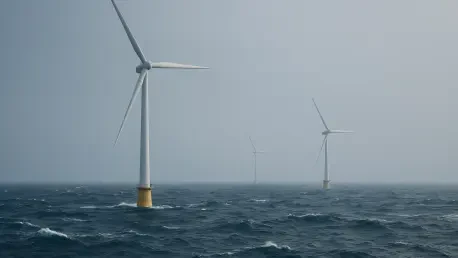
The global transition toward sustainable energy has reached a pivotal juncture where the limitations of traditional fixed-bottom offshore wind turbines are becoming increasingly apparent due to shallow-water constraints. While early developments primarily focused on the southwestern coastlines,
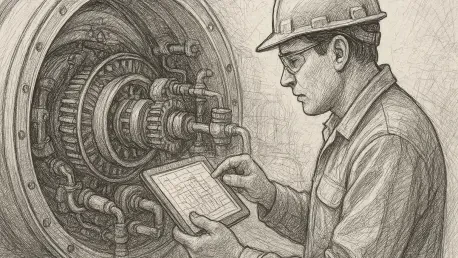
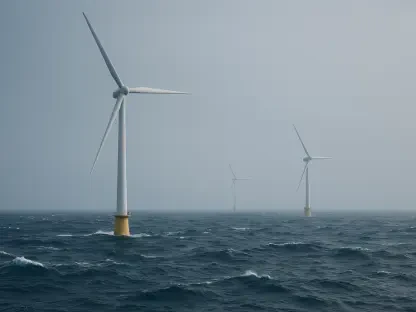
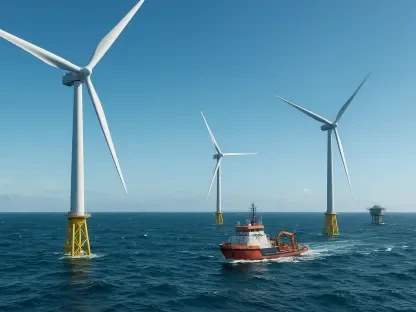
Introduction: The Stakes of Offshore Energy Towering hundreds of feet above the relentless, freezing swells of the North Sea, massive offshore wind turbines stand as monuments to modern engineering that require constant, specialized human intervention to remain functional. The Westermost Rough wind

The unprecedented acceleration of digital integration within the Latin American wind energy sector has fundamentally transformed what was once a mechanical industry into an intricate web of software-defined assets. As regional powers like Brazil, Chile, and Mexico push for a greener energy matrix,
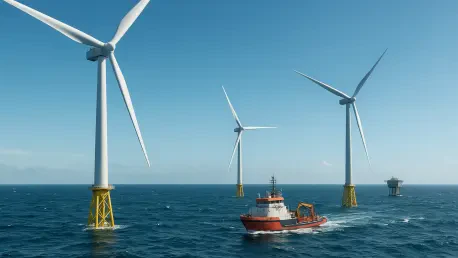
By scheduling maintenance on healthy turbines during periods of predicted high volatility, operators can use downtime as a virtual battery to smooth out aggregate fluctuations. This strategic shift represents a departure from traditional reactive maintenance, where technicians wait for a failure
The isolation of King Island has long dictated a reliance on costly imported diesel fuels, yet the recent successful life extension of the Huxley Hill Wind Farm demonstrates how innovative refurbishment can secure a sustainable future for remote energy grids without the exorbitant expense of
The invisible fluid dynamics trailing behind rotating turbine blades, known as wakes, directly impact the energy availability and structural integrity of downstream turbines. As the global transition toward renewable energy accelerates, the layout of wind farms has become a critical engineering
1 2 3 4 5 6 7 8 9 10 11 12 13 14 15 16 17 18 19 20 21 22 23 24 25 26 27 28 29 30 31 32 33 34 35 36 37 38 39 40 41 42 43 44 45 46 47 48 49 50 51 52 53 54 55 56