
Christopher Hailstone is a titan in the energy sector, bringing decades of experience in renewable integration and grid security to the table. As a seasoned utilities expert, he has spent his career dissecting the intricate mechanics of electricity delivery and the geopolitical forces that dictate global supply chains. Today, we sit down with him to discuss the precarious state of energy markets, from the immediate shocks of Middle Eastern conflicts to the long-term structural shifts required to keep the lights on as we head toward the next decade.
The conversation explores the mounting pressures on national gas supplies, the controversial expansion of North Sea drilling, and the logistical hurdles of managing a modern grid during unexpected events. Christopher provides his take on the financial implications of energy nationalism and the surprising ways households are being incentivized to adapt to a changing climate.
Given the warnings that the nation could face severe gas shortages by the early 2030s, how do you view the current geopolitical tensions in the Strait of Hormuz affecting our long-term energy security?
The situation is incredibly delicate because the global market is currently reacting to the fallout of the US-Israel war with Iran. We’ve seen gas prices reach the highest levels ever recorded for August, largely because the Strait of Hormuz remains a critical chokepoint that has been repeatedly blocked. This volatility isn’t just a temporary spike; it’s a wake-up call for ministers who have been slow to address our supply risks. When shipping lanes are compromised, the fragility of our “just-in-time” energy model becomes painfully clear to every household. We are staring down a decade where the margin for error is zero, and without decisive action, those 2030s shortage projections will become a harsh reality.
There is a fierce debate regarding new drilling in the North Sea, with over 200 musicians and activists arguing it defies climate reality. How do we balance the need for immediate energy independence with these environmental commitments?
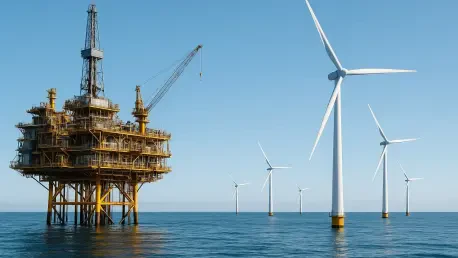
It is a polarizing issue, especially when you have figures like Thom Yorke and Brian Eno urging the government to reject the exploitation of the Rosebank and Jackdaw fields. From a security standpoint, the argument for domestic production is about insulating ourselves from the type of inflation we are seeing today, but the environmental cost is a heavy burden to weigh. We have to ask if “energy nationalism” is a viable long-term strategy or if it’s just a stopgap that delays the inevitable transition. The pressure is mounting on leaders to decide if they will prioritize immediate resource grab or listen to the signatories who see these projects as a step backward. It’s a test of whether we can truly innovate our way out of a crisis without relying on the same old drilling rigs.
As we integrate more solar and wind, we’ve seen unique challenges, such as the millions spent on backup power during solar eclipses. What does this reveal about the fragility of our current grid infrastructure?
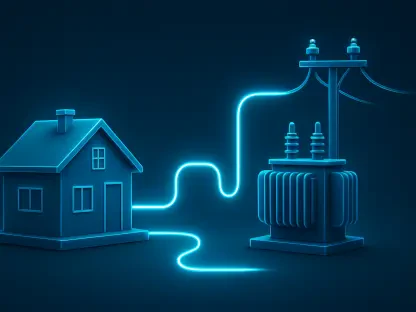
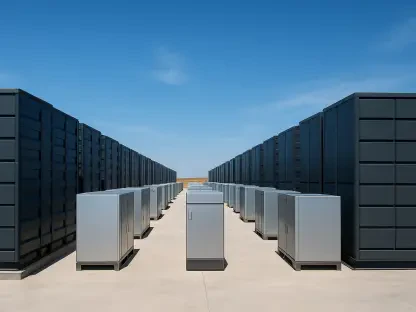
Managing the grid during a solar eclipse is a fascinating, if stressful, exercise in precision that costs the public millions in backup electricity fees. It’s a moment where companies like Octopus Energy have to urge millions of households to slash their usage to prevent emergency power cuts at short notice. This reveals that while solar is a revelation—helping heat pumps cool homes during record heat—our cross-border electricity politics and interconnectors are still catching up. We are seeing creative solutions, like offering households near new pylons £250 off their annual bills, but these are localized fixes for a systemic challenge. The grid of the future requires a level of flexibility that we are only just beginning to build out through demand-side response and better storage.
With BP moving into Venezuela alongside firms linked to the Trump administration and India ramping up coal production, how is the global investment landscape shifting?
We are seeing a fascinating, if somewhat contradictory, shift where large-scale foreign investments are returning to places like Venezuela despite years of political upheaval. BP’s move to develop offshore gasfields there marks a significant pivot toward securing assets wherever they can be found. Meanwhile, India’s jump in planned coal production reminds us that the global appetite for energy is outstripping the pace of the green transition in many regions. This “energy nationalism” means countries are hedging their bets, looking for stability in both old-world fossils and new-world tech. It creates a complex map for investors who have to navigate everything from Greenland forcing oil firms to delay drilling to the massive scale of Indian coal expansion.
What is your forecast for global energy prices?
In the short term, I expect prices to remain stubbornly high and volatile as long as the conflict near the Strait of Hormuz persists and inflation continues to squeeze households. We are likely to see a new cost-of-living crisis loom as soaring bills frame the challenges for leadership through 2027 and beyond. However, as heat pumps become more common and solar technology matures, there is a path toward stabilization if we can survive this transition period. The real wild card will be how quickly we can move away from being dependent on global oil for our food and basic infrastructure. For now, the “rip-off” era of energy is unfortunately far from over, and consumers should prepare for a decade of significant price fluctuations.