
The mechanical heart of the European automotive sector is undergoing a profound transformation as the silent hum of electric motors replaces the rhythmic vibration of internal combustion engines across the continent. In 2026, the consolidation of component manufacturing into localized hubs represents the most significant structural change since the invention of the assembly line. The necessity for integrated power electronics has forced Tier-1 suppliers to rethink their entire production footprint to remain relevant in a market that no longer tolerates long-distance logistics for high-value parts.
The European Shift Toward Localized Electrification Supply Chains
The current state of the European electric vehicle market indicates a decisive move toward domestic manufacturing to combat the volatility of international trade. Tier-1 suppliers are no longer just part manufacturers; they have become the primary architects of the transition from fossil fuels to electric powertrains. This shift requires a deep integration with local ecosystems to ensure that the complex needs of European automakers are met without the delays associated with intercontinental shipping.
Slovakia has solidified its standing as a central hub for global automotive manufacturers, offering a strategic location that connects Western European markets with the industrial capacity of the East. The “Global 2033” strategy is actively mapping the future of international trade by emphasizing the distribution of components within the same regions where they are consumed. This localization strategy mitigates the risks of supply chain disruptions and strengthens the influence of specialized manufacturing clusters on the global stage.
Strategic Evolution of Integrated Powertrain Technologies
Emerging Trends in PE System Integration and Miniaturization
Modern engineering trends are moving away from separate modular parts toward fully integrated Power Electric systems that combine the motor, inverter, and reduction gear into a single housing. This level of miniaturization allows for significantly more efficient manufacturing cycles and enhances overall vehicle performance by reducing parasitic weight. Modular platforms, such as the E-GMP, drive this efficiency by providing a standardized architecture that can accommodate various power outputs across different vehicle segments.
Consumer demands for increased cabin space and extended battery range are pushing compact engineering to its limits, requiring units that occupy minimal volume under the chassis. The rise of just-in-time logistics within the European Union further supports this green energy transition by aligning production schedules with real-time vehicle assembly. These integrated units not only save space but also simplify the thermal management systems required for high-performance electric driving.
Market Growth Projections for European Power Electric Systems
The Nováky plant boasts an annual capacity of 280,000 units, a figure that aligns with the accelerating regional demand for integrated powertrains. Following an investment of KRW 250 billion in the Trenčín Region, the financial outlook for the electrification sector remains robust, with high expectations for localized economic development. This facility serves as a primary driver for non-captive revenue growth as the supplier targets external European automakers seeking reliable, high-volume component partners.
Performance indicators for the so-called Electrification Triangle—stretching across Slovakia, Spain, and the Czech Republic—suggest a highly optimized manufacturing network. By spreading production across these three nations, the supply chain achieves a level of redundancy and specialization that is difficult to replicate elsewhere. This geographic distribution ensures that both battery systems and power electronics are available to manufacturers throughout the continent with minimal lead times.
Navigating the Complexities of Global Scale and Regional Competition
High-volume production of stators and inverters involves significant technological hurdles, particularly in maintaining the precision required for high-voltage energy management. Transitioning from a captive supplier model to a diversified global partner requires a fundamental evolution in corporate strategy and client relations. Successfully managing this transition is vital for maintaining a competitive edge against established European rivals who have deep-seated relationships with regional brands.
Localized manufacturing remains the most effective strategy for mitigating supply chain disruptions and reducing the environmental impact of long-range transport. However, suppliers must navigate the delicate balance of maintaining competitive pricing while facing the rising costs of energy and raw materials within the European Union. Strategic material sourcing and energy-efficient factory operations are essential for sustaining profitability in this high-stakes environment.
Regulatory Standards and Sustainability Compliance in the EU
The European Green Deal and increasingly stringent carbon footprint regulations have placed immense pressure on automotive suppliers to decarbonize their production lines. Localized facilities in Slovakia help manufacturers meet the strict Rules of Origin required for electric vehicles to qualify for tariff exemptions within the European market. Ensuring that every component is produced under high environmental standards has become a non-negotiable requirement for doing business in the region.
Security of supply for critical power electronics is a primary concern for policymakers operating in a volatile geopolitical climate. Large-scale manufacturing facilities must prove their resilience by adhering to regional environmental standards and securing local talent. Compliance with these regulations not only avoids legal penalties but also builds trust with consumers who prioritize sustainability when choosing their next vehicle.
The Future of Mobility Infrastructure in Eastern Europe
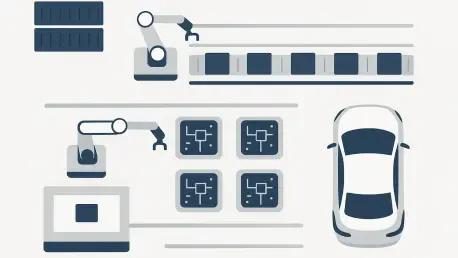
Further expansion into Battery System Assembly and deeper PE integration is expected to define the next development phase for Eastern European automotive clusters. Automation and smart factory technologies are set to play a pivotal role in accelerating production cycles and reducing human error in complex assembly processes. The influence of Slovakian manufacturing will likely dictate the broader European adoption rate of electric vehicles by making high-tech powertrains more accessible.
Innovation in power electronics will continue to dictate the capabilities of the next generation of modular vehicle architecture, where hardware and software integration is paramount. As these technologies mature, the cost of manufacturing will decrease, allowing for a more rapid transition to electric mobility across all price points. This evolution ensures that the regional infrastructure remains at the cutting edge of the global automotive landscape.
Summary of Industrial Impact and Strategic Outlook
The establishment of the Nováky facility finalized a critical milestone in the development of the European electrification value chain. It proved that localized production was the most effective method for securing market share in a rapidly changing industrial environment. The project demonstrated how high-value engineering could be integrated into existing manufacturing hubs to create a sustainable and resilient supply network.
Stakeholders who focused on the convergence of regional expertise and international investment saw immediate benefits in production stability and regulatory compliance. Slovakia confirmed its role as a vital pillar of the global automotive industry by successfully hosting large-scale power system manufacturing. This strategic development provided the necessary momentum for future innovations in sustainable transportation and modular vehicle design.