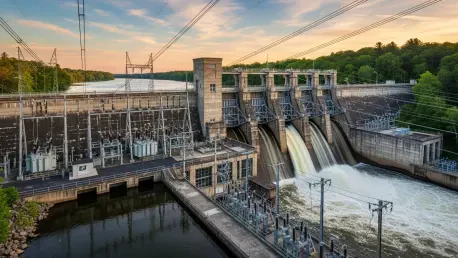
The proposed transfer of thirteen aging hydroelectric dams for the symbolic price of thirteen dollars has effectively forced a reckoning over the future of Michigan’s energy infrastructure and the long-term safety of its river systems. This transaction, involving the state’s second-largest utility

Forests have long provided the foundation for the construction and paper industries, but the emergence of advanced wood-to-fuel conversion technology is now positioning timber waste as a primary energy source for the global aerospace sector. This transition represents a fundamental realignment of

The Delaware City Refinery stands as a massive industrial sentinel on the Mid-Atlantic coast, but its recent operational struggles have ignited a fierce debate regarding the true cost of regional energy security. This facility serves as a cornerstone of East Coast energy production, boasting a

The conflict over the 49-mile X-178 transmission project has transformed a local infrastructure upgrade into a high-stakes legal battle that could redefine how energy utilities are regulated across the United States. A coalition of ratepayer advocates from five New England states—Maine,

The sheer complexity of managing an electrical network that stretches from the shores of the Atlantic to the industrial heartland of Illinois has pushed the nation's largest grid operator into a state of administrative paralysis. Federal regulators have increasingly voiced concerns that PJM

Transforming the heart of India's political power into a bastion of ecological resilience requires more than just rhetoric; it demands a systematic dismantling of fossil fuel dependency through aggressive policy reform. The council initiated a strategic pivot to address urban pollution. By