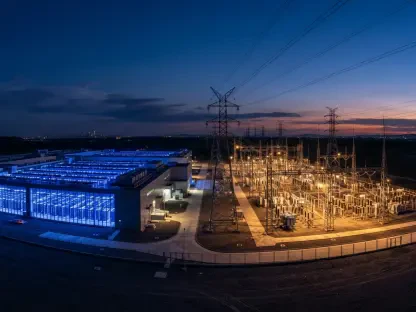
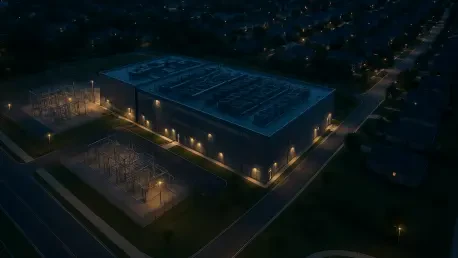
In what some activists describe as a Wild West environment, massive data centers are being proposed near residential areas without adequate notice or environmental safeguards. This situation has placed the city of Austin at a precarious crossroads as it navigates the explosive expansion of
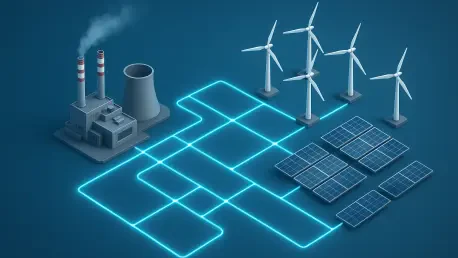
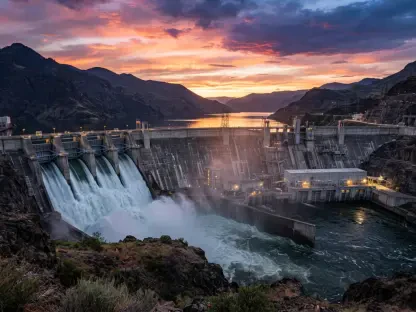
The transition to solar, wind, and biogas has been sidelined as the government focuses on the expensive revival of thermal infrastructure to solve immediate power deficits. For more than sixty years, the national electricity grid relied heavily on the Kariba South Bank hydroelectric station, which

The shift toward decentralized power represents a move toward energy justice, where electricity is treated as a basic human right rather than a luxury for the urban elite. For decades, the Nigerian power landscape has been defined by a massive, centralized infrastructure that often failed to

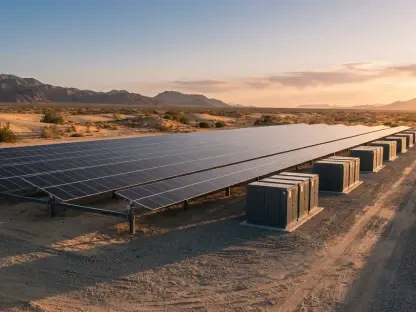
The mismatch between low solar generation and high heating demand during the winter months represents a critical obstacle for buildings attempting to transition away from gas. While suburban homes can often accommodate massive solar arrays and large-scale battery storage to offset seasonal
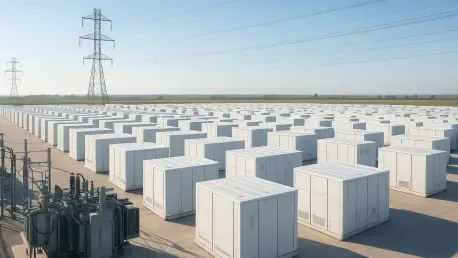
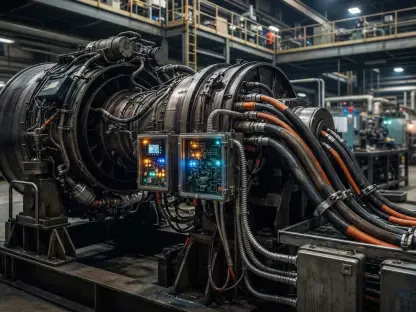
The global energy transition away from heavy, rotating turbines toward a decentralized digital architecture is fundamentally rewriting the laws of physics that have governed electrical networks for over a century. This transformation is currently visible across the Australian power landscape, where

While millions of users interact with digital interfaces daily, the actual environmental footprint of these operations is anchored in a massive physical infrastructure of copper, silicon, and billions of gallons of cooling water. As of 2026, the industrial scale of artificial intelligence has moved