
Fragmented bureaucracy and outdated planning processes often force high-voltage transmission projects to endure decades of delays before receiving the necessary federal approvals to begin construction. This systemic inertia has left the American electrical grid in a state of precarious fragility as the nation moves further into 2026. While the physical backbone of the system mostly dates back to the middle of the last century, the demands placed upon it have evolved into a complex web of high-performance computing centers and localized manufacturing hubs. The rise of artificial intelligence has created an insatiable hunger for reliable power, yet the regulatory framework remains anchored in an era that never anticipated such rapid technological shifts. Without a fundamental pivot in how the government manages energy infrastructure, the gap between available power and modern industrial requirements will continue to widen significantly. The situation demands more than just maintenance; it requires a complete reimagining of the legislative and administrative pathways that govern how energy moves across state lines.
Modernizing the National Infrastructure to Meet Surging Consumption
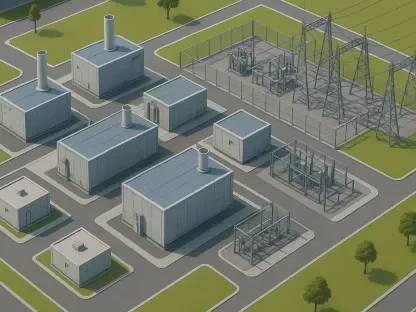
Projections for the coming decade suggest that electricity consumption across the United States is set to rise by approximately 25%. This surge is not merely a statistical anomaly but represents a fundamental shift in how the economy functions, driven by the broad electrification of transportation and the resurgence of domestic industrial production. To accommodate this growth, experts have concluded that the nation must double its regional transmission capacity and quadruple its interregional connections by 2050. However, the current pace of construction is woefully inadequate for such a massive undertaking. The high-voltage lines required to transport renewable energy from rural areas to urban centers are consistently met with jurisdictional disputes and environmental review cycles that outlast the technology they are meant to support. Establishing a resilient grid is no longer just a matter of engineering; it is a race against time to ensure the infrastructure can support the next generation of American economic competitiveness.
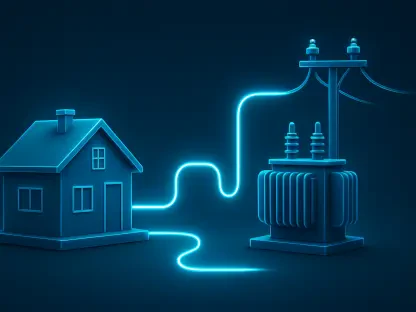
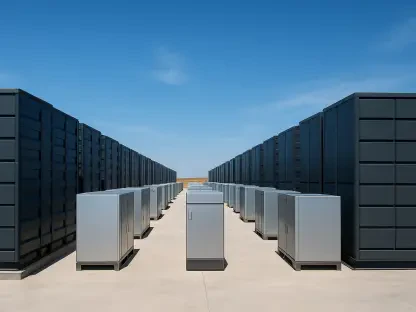
Relying on the outdated strategy of incremental upgrades to a half-century-old system has proven to be a losing game for utility providers and consumers alike. The existing grid was designed for a centralized model where power flowed in one direction from large coal or gas plants to residential neighborhoods. Today, the reality is far more dynamic, requiring a multi-directional flow that integrates solar, wind, and sophisticated battery storage systems. These modern resources are often located in remote regions, necessitating long-distance transmission that the current regulatory environment makes nearly impossible to build. By failing to modernize the physical wires and the laws that govern them, the country risks frequent localized outages and skyrocketing costs for industrial users. The sheer scale of the challenge requires a shift away from temporary fixes toward a robust, interconnected network that can balance loads in real-time across thousands of miles. Only through a dedicated commitment to large-scale infrastructure projects can the grid evolve into a flexible asset.
Navigating the Complex Interconnection and Transmission Backlog
The primary obstacles preventing a modern energy transition are effectively split between the physical construction of towers and the massive administrative hurdle known as the interconnection queue. Even when a developer successfully secures funding for a wind farm or a massive battery array, they are often forced to wait for years just to receive permission to plug into the existing system. As of mid-2026, nearly 8,000 energy projects remain trapped in these backlogs, representing more than enough capacity to meet projected demand if they could only reach the operational stage. This administrative bottleneck is characterized by rigorous engineering studies that are frequently redundant or delayed by a lack of staffing at federal agencies. The result is a stagnant pool of clean energy that cannot reach the market, creating a frustrating paradox where the energy exists but the legal pathway to deliver it does not. Resolving this requires a streamlined approach that prioritizes high-impact projects and reduces the time required for impact assessments.
These regulatory failures carry tangible economic consequences that directly affect the financial well-being of American households and businesses. Historical data reveals a troubling trend: between 2000 and 2019, only 13% of projects that entered the interconnection queue actually reached commercial operation, while wait times have ballooned from 20 months to over five years. This gridlock effectively traps billions of dollars in dormant investment and forces utility companies to rely on older, more expensive generation sources. In regions like the PJM Interconnection, which serves 13 states, clearing just a small fraction of the backlog could have saved ratepayers billions of dollars in avoided energy costs. The current status quo has transformed from a mere bureaucratic inconvenience into a significant economic liability that stifles innovation and keeps energy prices artificially high. For the nation to maintain its industrial edge, it must address the inefficiencies that prevent new, cheaper power sources from entering the market today.
Legislative Solutions and the Path Toward Structural Renewal
Lawmakers have begun to recognize that the only way to break this cycle of delay is through comprehensive permitting reform and bipartisan legislative action. Efforts such as the Grid Connection and Congestion Management Act represent a significant step toward modernizing the federal framework by increasing transparency and setting strict timelines for agency reviews. One of the more innovative concepts gaining traction is the energy-only delivery pathway, which would allow developers to bypass certain lengthy impact studies. Under this model, projects could connect to the grid more quickly by agreeing to have their power output limited during periods of peak congestion. This trade-off provides a faster route to market for developers who are willing to accept the risk of curtailment in exchange for operational certainty. By creating these flexible pathways, the government can begin to clear the thousands of projects currently waiting in limbo. Such reforms are designed to create a predictable environment for investment.
The successful implementation of permitting reform required a fundamental shift in how the federal government approached energy infrastructure. Lawmakers eventually recognized that the antiquated rules of the past were incompatible with the rapid pace of 21st-century technological growth. By streamlining the environmental review process and mandating stricter timelines for agency decisions, the nation finally began to clear the immense backlog of stalled renewable energy projects. These structural changes prioritized the rapid deployment of high-voltage transmission lines, which allowed for a more efficient distribution of electricity from remote wind and solar farms to major metropolitan hubs. The move toward a more integrated and transparent interconnection process saved consumers billions of dollars and ensured that the grid remained resilient during periods of extreme demand. This comprehensive strategy provided the necessary stability for private investors to fund the massive expansion of the national energy backbone.