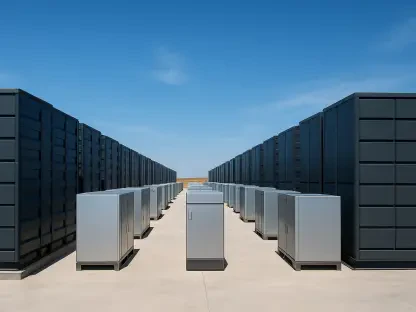

The unprecedented surge in artificial intelligence requirements has forced a massive technological pivot as major hyperscalers seek to secure the fundamental energy resources needed to maintain global digital dominance. Alphabet Inc. is currently leading this transition by integrating nuclear power directly into its operational strategy, marking a departure from traditional reliance on public utility grids for its data center needs. This strategic shift into the power stack serves as a powerful signal of the company’s long-term conviction in the sustained demand for advanced compute capabilities. By securing dedicated nuclear reactors, the organization ensures a stable, carbon-free energy supply that can withstand the volatility of energy markets while supporting the immense processing requirements of next-generation AI models. This move signifies that the era of simple software expansion has passed, replaced by a race to control the physical infrastructure that makes digital intelligence possible on a global scale today.
Infrastructure and Resource Management
The Power Stack: Securing Atomic Energy
Controlling the energy source represents the most significant evolution in the vertical integration strategy to date, moving beyond software and silicon into basic industrial inputs. The decision to sign long-term contracts for nuclear energy reflects a sophisticated understanding of the bottlenecks facing the AI industry, specifically the limitations of existing electrical grids to handle the projected load of massive data centers. These nuclear reactors provide a high-capacity, baseload power source that is essential for the continuous operation of high-density server farms, which cannot afford the intermittent nature of solar or wind power without massive storage investments. By locking in these resources, Alphabet effectively derisks its growth trajectory for the next decade, ensuring that its infrastructure expansion remains decoupled from local power shortages or price spikes. This commitment to nuclear energy positions the firm to maintain its service level agreements with enterprise clients who demand power.
Financial Strategy: Managing Record Capital Expenditure
The sheer scale of this infrastructure build-out is reflected in the aggressive capital expenditure figures reported in recent quarters, with spending reaching nearly $45 billion in a single three-month period. For the current fiscal year, the company has projected a total capital outlay ranging between $175 billion and $185 billion, an amount that highlights the intensity of the competition in the generative AI space. To fund this expansion, the organization has strategically doubled its long-term debt and moved to temporarily suspend its stock buyback programs, prioritizing the acquisition of hardware and energy assets over immediate shareholder distributions. Despite these massive investments, the company maintains a fortress balance sheet characterized by an interest coverage ratio of 175.3x and a substantial Cloud backlog that now exceeds $460 billion. This financial profile suggests that while the spending is historically high, the underlying cash flow generation provides a safety net.
Market Analysis and Strategic Advantage
Operational Performance: Scaling Cloud and Search
Even as the company pivots toward a hardware-intensive future, its core digital real estate continues to show remarkable resilience and growth, defying earlier predictions that AI might erode traditional search revenues. The “Search & other” segment recorded a 17% year-over-year increase, while Google Cloud revenue experienced a staggering 82% surge in the second quarter, indicating a significant acceleration in enterprise adoption. The Gemini ecosystem has rapidly expanded to reach 950 million monthly active users, and Gemini Enterprise is now a staple for nearly 90% of the Fortune 100 companies, cementing the brand’s relevance in the corporate sector. These operational successes are further supported by a Return on Equity of 35.7% and a Return on Invested Capital of 29.6%, figures that demonstrate a highly efficient conversion of capital into profit. The integration of AI into every facet of the product suite has not cannibalized existing services but has instead acted as a catalyst.
Competitive Positioning: Value and Vertical Integration
In the broader landscape of technology hyperscalers, Alphabet established a unique position by offering a growth profile similar to its primary rivals but at a significantly lower valuation. Trading at a price-to-earnings ratio of 15, the stock was valued more like a mature market performer than a high-growth leader, providing a compelling entry point for those focused on long-term compounding. The company’s decision to design and deploy its own Tensor Processing Units alongside its energy investments created an economic moat that competitors found difficult to replicate. Analysts observed that owning the entire stack—from the energy source to the specialized silicon and the consumer-facing software—provided unparalleled control over costs. Moving forward, the focus centered on optimizing the efficiency of these newly acquired energy assets to reduce the carbon footprint per compute unit. Priority was given to scaling the integration of Gemini models into secondary search markets to solidify the hardware-software synergy.