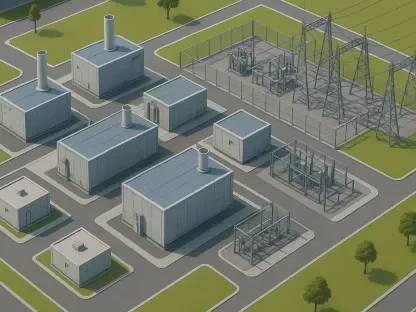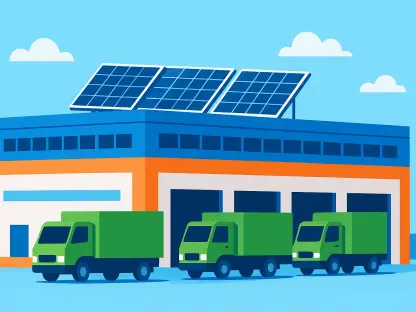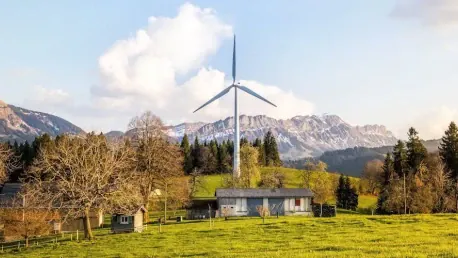

In today's interconnected world, corporations are no longer content with merely generating profits. Instead, they strive to weave corporate social responsibility (CSR) into the very fabric of their operations. This evolving landscape is marked by initiatives that span environmental sustainability,
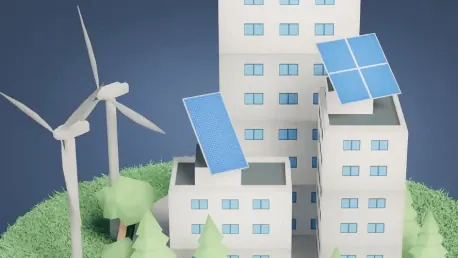
The shift towards low-carbon buildings is no longer just an environmental consideration but a pressing economic strategy for real estate stakeholders. Building owners, investors, and occupiers stand on the cusp of a lucrative opportunity with the increasing demand for sustainable spaces driven by
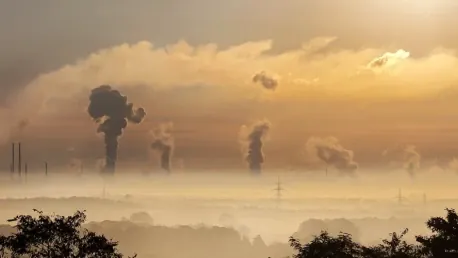
The potential and effectiveness of automated demand management in reducing electricity consumption and carbon emissions is a compelling topic, especially in light of the recent trial conducted by Imperial College London in collaboration with Tata Power, one of India’s largest integrated electric

Electricity grids are the backbone of modern society, powering homes, businesses, and essential services. However, traditional grid infrastructures are struggling to keep up with the increasing integration of renewable energy sources and growing demand for electricity. Enter ENODA, a company

Energy efficiency is rapidly becoming a linchpin for businesses seeking to reduce costs and enhance sustainability. The synergy between economic savings and environmental responsibility makes energy-efficient initiatives not just attractive but essential. This article delves into the impactful role

Wakefield, a vibrant city in West Yorkshire, is witnessing a transformative wave driven by the untapped potential of its Green Technologies and Services (GTS) sector. The city's business community is poised for a significant shift towards environmental sustainability, fueled by substantial economic