
Fixed version: As the world becomes increasingly reliant on electricity to power homes, industries, and transportation, a staggering projection looms on the horizon: energy demand is expected to double by 2050, driven by population growth, economic expansion, and the widespread shift to

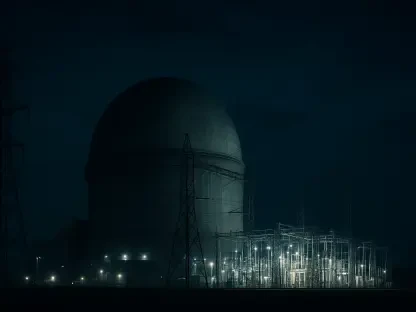
The ongoing turmoil at the Zaporizhzhia Nuclear Power Plant in Ukraine has reached a critical juncture, with the facility enduring its longest blackout ever, lasting four consecutive days as reported recently. Situated in Russian-occupied territory near the volatile front line of the conflict, this

In an era where technology's hunger for energy seems insatiable, a surprising trend has emerged in the financial world as private equity firms are pouring billions into America's electric utility sector, driven by skyrocketing demands from artificial intelligence (AI) and data centers. This surge
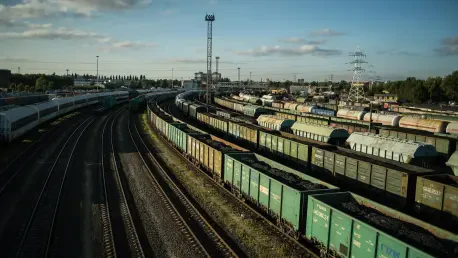
The freight transportation industry stands at a pivotal moment as electric trains emerge as a formidable rival to diesel trucks in the short-haul logistics arena, promising a cleaner and more efficient way to move goods across shorter distances. A trailblazing startup, Parallel Systems, is leading

As the world races to embrace renewable energy, solar panels have become a vital tool in the fight against climate change, powering homes and businesses with clean electricity. Yet, a hidden challenge lurks beneath this green revolution: recycling these panels at the end of their 25- to 30-year

In a world where the transportation sector remains one of the largest contributors to global carbon emissions, India has taken a bold step forward by reevaluating its approach to vehicle efficiency and environmental impact. With millions of vehicles on the roads contributing to air pollution and