
The World Bank’s Groundswell report warns that Bangladesh could see as many as 13.3 million internal climate migrants by the year 2050 as environmental conditions worsen. This massive demographic shift is already visible today, as the nation navigates its position at a precarious geographic

While Jurong Island has long served as the industrial heartbeat of Singapore, the shifting tides of global energy security are now turning toward the quiet shores of Pulau Tekong as a necessary safeguard for the nation's sovereign resilience. Currently, Singapore maintains a heavy reliance on

The fundamental blueprint for New South Wales housing is shifting as the state prioritizes thermal performance and climate resilience over the outdated occupancy requirements of the past. Recent policy discussions have moved beyond simple supply and demand to focus on the long-term quality and

Christopher Hailstone is a distinguished authority in the landscape of African energy, bringing decades of experience in grid reliability and the complex economics of utility management. As the continent moves toward a more digitized and decentralized energy future, his insights into the structural
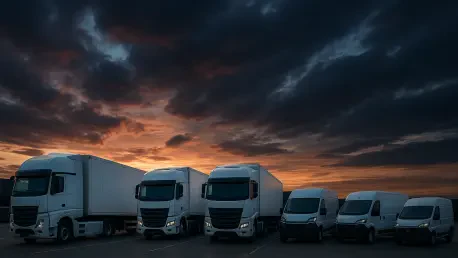
The primary obstacle to adopting sustainable fuels in the Irish trucking sector is the significant price gap between HVO and conventional fossil diesel. As 2026 progresses, the logistics industry finds itself navigating an increasingly complex regulatory landscape where the mandates for
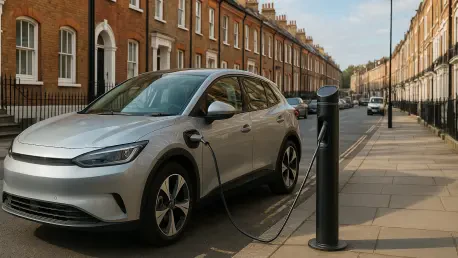
Urban drivers are facing a significant disadvantage as they are excluded from the tax relief measures designed to lower the cost of domestic power consumption. This fiscal discrepancy has become a defining characteristic of the British transition to sustainable transport, as the government recently