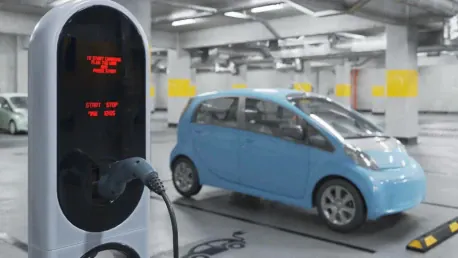
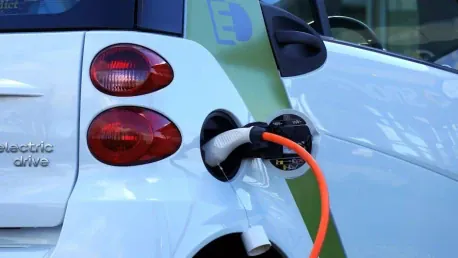
The rise of electric vehicles (EVs) signifies a major shift in the automotive industry, marked by explosive growth and necessitating an advanced infrastructure for EV charging stations. This infrastructure is not merely about increasing the number of chargers but creating a networked system where

Electric vehicles (EVs) are becoming increasingly popular, but for them to truly replace traditional gasoline-powered cars, the public charging experience must be seamless, convenient, and reliable. The integration of the Internet of Things (IoT) into EV charging infrastructure holds the key to

The United States Department of Transportation (USDOT) has recently announced a significant funding initiative aimed at enhancing electric vehicle (EV) charging and alternative fueling infrastructure across the country. This initiative, sourced from the Bipartisan Infrastructure Law’s zero-emission
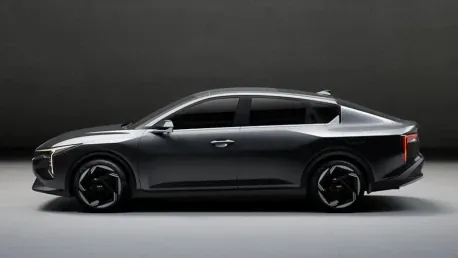
The quest for efficiency in battery electric vehicles (BEVs) has often centered on replicating the attributes of internal combustion engine (ICE) vehicles, frequently resulting in larger models outfitted with more substantial battery packs to enhance range. However, this solution brings a set of

The electric vehicle (EV) industry is witnessing a rapid transformation as technology continues to evolve, aimed at overcoming longstanding limitations in energy storage and efficiency. Microvast, a US-based battery technology company, has made a significant breakthrough in this arena with its
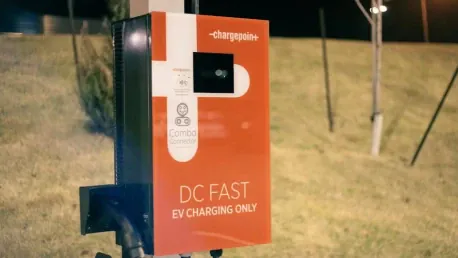
Kenya is taking significant steps to enhance its electric vehicle (EV) infrastructure through the launch of its first Electric Mobility Draft Policy, which aims to develop EV solutions across road, rail, air, and maritime transport. The introduction of the National Building Code 2024 illustrates