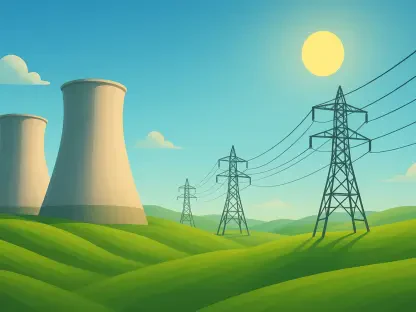

The subject of this article revolves around the implications of Donald Trump's return to the U.S. presidency on global green energy trade and the nation's position in the worldwide clean energy transition. By pulling the United States out of the Paris climate agreement, dismantling previous energy

The recent executive orders signed by President Donald J. Trump on January 20, 2025, mark a significant shift in the United States' energy policy. These orders are designed to boost domestic energy production, streamline regulatory processes, and leverage the country's natural resources,
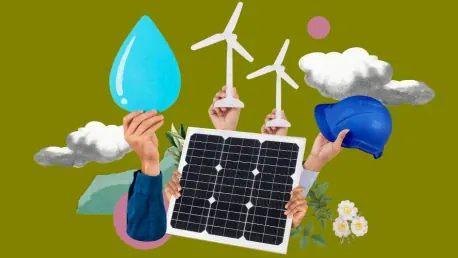
Peloton, primarily recognized for its fitness equipment, is now making remarkable advances in the renewable energy sector, driving significant innovation and efficiency. Through its state-of-the-art technology, Peloton is not only enhancing operational efficiency but also ensuring regulatory
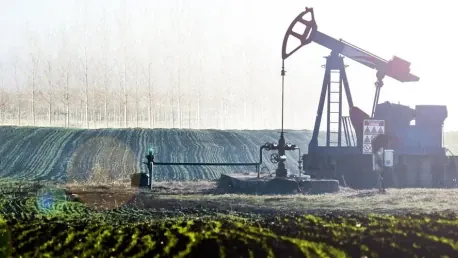
Implementing green technologies for sustainable agricultural practices is crucial for ensuring long-term environmental health and productivity. These technologies include renewable energy sources, efficient water use systems, and environmentally friendly pest management. Agriculture is at a

Zain Group has positioned itself as a formidable force in the Middle East and Africa by setting and committing to ambitious climate targets, which push the boundaries of what has long been the norm in the region. As the first Kuwaiti company to secure validation from the Science Based Targets

The Arctic, often deemed one of Earth's critical carbon sinks, is facing a dramatic transformation due to escalating global temperatures. Notably, the region's traditionally frozen tundra, dense forests, and expansive wetlands have long stored vast amounts of carbon within its permafrost, acting as