
Small and medium-sized industrial facilities across Argentina currently face a critical crossroads where rising utility costs threaten to erode the thin profit margins essential for their survival and expansion. While global energy markets remain volatile, the domestic manufacturing sector is under intense pressure to modernize outdated machinery that consumes excessive amounts of electricity without delivering proportional output. The introduction of Resolution 311/2026 by the Energy Secretariat represents a targeted strategic response to this specific economic bottleneck, offering a lifeline to enterprises that have historically been sidelined during previous waves of technological advancement. By bridging the gap between high upfront capital costs and long-term operational efficiency, this initiative aims to transform the underlying energy architecture of thousands of workshops and factories. This policy does not merely suggest improvement; it provides a structured financial pathway to achieve it. By prioritizing fiscal relief over traditional subsidies, the government seeks to empower owners to make informed decisions that align their immediate operational needs with broader national sustainability goals. This shift toward market-led modernization reflects a sophisticated understanding of the specific barriers that often prevent small businesses from adopting the latest green innovations.
Fiscal Mechanisms: Industrial Modernization
Strategic Tax Benefits: Liquidity and Refunds
The framework established by the Energy Secretariat focuses on the immediate reduction of the financial burden associated with acquiring high-efficiency industrial equipment. Through the mechanism of accelerated depreciation, eligible Micro, Small, and Medium Enterprises can deduct the cost of their investments from their income tax liabilities over a much shorter period than traditional accounting methods would normally allow. This front-loading of tax benefits provides a vital injection of liquidity, allowing companies to see a return on their investment in terms of cash flow almost immediately after the installation of new hardware. Complementing this is the provision for early refunds of the Value Added Tax, which addresses one of the most persistent complaints among SME operators regarding the immobilization of capital in long-term tax credits. By returning these funds more rapidly, the state ensures that the transition to modern technology does not compromise a firm’s day-to-day liquidity.
Implementing these tax-based rewards creates a predictable economic environment where business leaders can forecast the long-term benefits of energy-saving measures with greater accuracy. The integration of early VAT refunds and accelerated depreciation effectively lowers the break-even point for complex projects such as the total overhaul of a production line or the installation of centralized energy management systems. Historically, such capital-intensive upgrades were reserved for large corporations with deep pockets, but the current legislative landscape specifically targets those smaller players that form the backbone of the national economy. This approach recognizes that the cumulative effect of thousands of small improvements can be just as impactful as a few massive industrial projects. Furthermore, these fiscal tools are designed to be intuitive, reducing the administrative overhead that often discourages small firms from participating in government programs. This focus on practical application ensures that the benefits reach the workshop floor.
Entry Barriers: Eliminating Minimum Investment Thresholds
A defining characteristic of the new policy is the deliberate removal of minimum investment requirements for equipment that carries an official high-efficiency certification. In the past, many incentive schemes were structured in a way that inadvertently excluded micro-enterprises because their modernization needs did not meet a specific monetary floor. By eliminating these barriers, the government has democratized access to the latest technological advancements, allowing a small bakery to benefit from an efficient oven or a local printing shop to upgrade a single motor with the same ease as a larger manufacturer. This inclusivity is essential for a nationwide shift in energy culture, as it signals that every kilowatt saved contributes to the overall stability of the power grid. The focus remains squarely on the quality and performance of the technology rather than the total size of the purchase order. This shift encourages incremental upgrades that can lead to significant cumulative energy reductions across various sectors.
The absence of a minimum spending limit also allows businesses to adopt a modular approach to their technological renewal, upgrading critical components as their budgets permit. This flexibility is particularly useful for enterprises operating in niche markets where specialized machinery might be expensive but essential for maintaining a competitive edge. By allowing even the smallest investments to qualify for tax breaks, the program fosters a sense of continuous improvement rather than forcing companies to wait for a massive capital influx. This strategy helps to build a more resilient industrial base that is capable of adapting to changing market conditions and fluctuating energy prices without the need for emergency government interventions. The policy effectively lowers the entry bar for sustainability, making it a viable business strategy for everyone from independent contractors to mid-sized family businesses. This democratization of efficiency is expected to stimulate domestic demand for high-end industrial components, creating a virtuous cycle of growth.
Technical Standards: Optimization and Performance
Industrial Focus: High-Consumption Equipment
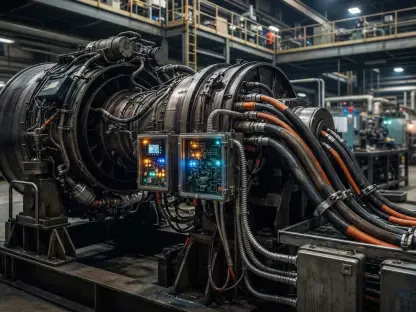
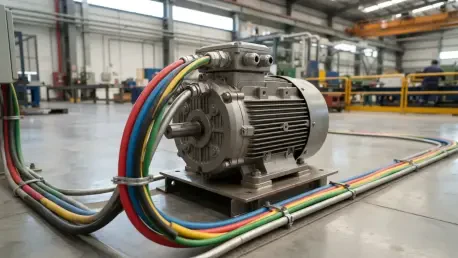
The program identifies and prioritizes specific types of machinery that are known to be the primary drivers of electrical demand in the industrial sector. Electric motors, for instance, are the workhorses of the factory floor, often accounting for nearly seventy percent of the total electricity consumed by a manufacturing plant. Many existing motors in operation today are decades old and lack the precision controls found in modern variants. By encouraging the replacement of these units with premium-efficiency alternatives, the Energy Secretariat aims to achieve a significant reduction in the national industrial load. Similarly, compressed air systems, which are notoriously inefficient when poorly maintained or outdated, are a primary focus for these incentives. Upgrading these systems can prevent massive energy waste through leaks and inefficient compression cycles, leading to immediate and visible reductions in monthly utility bills. These targeted improvements provide the fastest path to significant energy savings.
Beyond just hardware replacement, the initiative places a strong emphasis on the adoption of electronic speed regulation technologies, which allow machinery to match its energy consumption with the actual demand of the task at hand. In traditional setups, motors often run at full capacity regardless of the required load, leading to massive inefficiencies. The integration of variable frequency drives can lead to energy savings of twenty to fifty percent in many applications, such as ventilation and pumping systems. These intelligent control units not only save power but also extend the operational lifespan of the equipment by reducing mechanical stress and wear. By including these smart components in the list of eligible goods, the policy ensures that the modernization process is not just about newer machines, but about more intelligent and responsive production environments. This transition toward precision-controlled manufacturing is a cornerstone of the national strategy to remain competitive in a global market that values green production.
Regulatory Flexibility: Framework for Technical Innovation
While the policy provides a clear list of pre-approved technologies, it also includes a sophisticated mechanism for incorporating innovations that may not be explicitly mentioned in the initial regulations. This forward-thinking approach recognizes that the field of energy efficiency is evolving rapidly, with new breakthroughs in thermal insulation, advanced pumping systems, and high-performance ventilation emerging every year. To accommodate this, the Energy Secretariat allows companies to apply for tax benefits for unlisted technologies, provided they can back their claims with a technical report from a certified professional. This report must demonstrate a quantifiable and significant reduction in energy consumption compared to the equipment being replaced or the industry standard. This flexibility ensures that the tax framework does not become obsolete as new tools enter the market. It encourages business owners to seek out the most advanced solutions available rather than settling for what is listed on a government document.
The establishment of these comprehensive tax incentives provided a clear roadmap for the Argentine industrial sector to transition toward a more sustainable and economically viable future. Business owners should now prioritize conducting internal energy audits to identify the most inefficient components within their operations and prepare the necessary documentation to access these fiscal benefits. Looking ahead, the focus must shift toward the long-term integration of digital monitoring tools that can track real-time energy performance, ensuring that the initial gains from hardware upgrades are maintained over time. Companies that act decisively during this window of opportunity will not only reduce their immediate overhead but also position themselves as leaders in a global market that increasingly demands transparency in energy usage. The successful implementation of these measures likely served as a blueprint for future environmental policies, proving that economic growth and resource conservation are not mutually exclusive goals in the modern era.