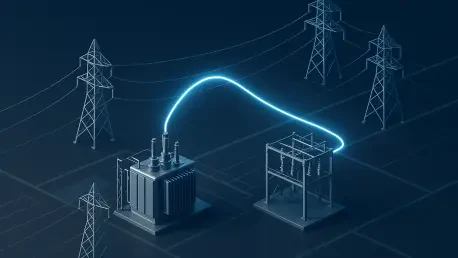

The architectural blueprint for South Korea’s economic engine is undergoing a radical redesign as the nation prepares for a future where electricity consumption is no longer tied to human population but to the relentless hunger of silicon and machine learning. This seismic shift in energy strategy,
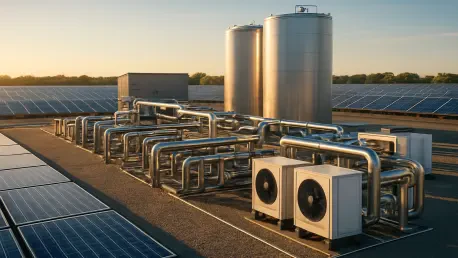
Christopher Hailstone has spent decades at the intersection of energy management and grid security, helping heavy industry navigate the complex transition toward cleaner power. As industrial sectors face mounting pressure to decarbonize, the latest research from the University of California,

The rapid decentralization of the American electrical grid is no longer a distant projection but a lived reality for New Jersey, where residential energy storage and electric vehicle adoption are fundamentally reshaping the relationship between utilities and consumers. As of 2026, the state is

Data from early solar adopters shows that a system generating 4.2 kWh might still require importing 2.8 kWh from the grid to meet evening demands. This discrepancy highlights a fundamental challenge in residential renewable energy: the misalignment between solar production peaks and household
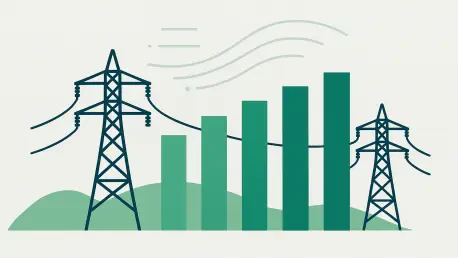
Traditional lithium-ion batteries are often optimized for four-hour cycles, creating a critical gap during extended periods of low wind and solar generation. As the United Kingdom accelerates its transition toward a fully decarbonized power grid, the limitations of existing storage solutions have
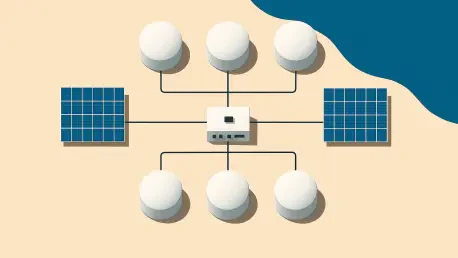
The Denham renewable hydrogen project in Western Australia highlighted the significant technical difficulty of integrating hydrogen hardware with existing legacy grid infrastructure. As remote communities look for alternatives to diesel-heavy energy portfolios, these microgrids represent a shift