
The Nordic and Baltic regions are experiencing a surge in startup funding, acquisitions, and strategic investments, signaling a robust and dynamic startup ecosystem. From smart energy solutions to mental health platforms, companies in these areas are attracting significant financial support and

Building-integrated photovoltaics (BIPV) represent a leap forward in sustainable building design. By embedding solar panels into the architecture, BIPV systems merge aesthetics with functionality. Recent advancements by Chinese researchers have taken BIPV systems to new heights by integrating phase
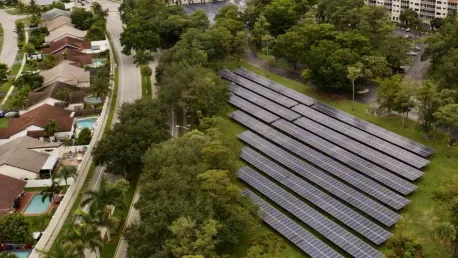
The switch to renewable energy is a fundamental step in combating climate change, yet it brings about challenges due to the inherent irregularity of these energy sources. The SUSTENANCE project aims to address these issues by creating tailored sustainable energy systems for local contexts.

The British government has embarked on an ambitious journey to invest £22 billion over the next 25 years in carbon capture and storage (CCUS) projects. This hefty investment is aimed at curbing CO₂ emissions, spurring economic growth, and revitalizing struggling industrial centers in the UK. Prime

India’s recent approval to join an influential global energy efficiency hub marks a significant move towards enhancing energy efficiency practices nationwide. This decision, backed by the Union Cabinet, sets the stage for India to collaborate intensively with other member nations in pursuing

In an exciting development for the UK's renewable energy sector, NextPower UK ESG has established one of the largest solar sleeved power purchase agreements (PPAs) with Anglian Water Services. This agreement is poised to bolster long-term renewable energy generation while supporting ambitious