
The sheer velocity of the artificial intelligence revolution has outpaced the physical capacity of our power grids, forcing a historic legislative reckoning over who pays for the massive infrastructure expansion required to sustain digital dominance. As the current landscape evolves from 2026 to

The second-quarter earnings reports for the United States utility sector in 2026 represent a monumental pivot from simple asset expansion toward a sophisticated emphasis on operational execution and consumer financial protection. As the voracious energy demands of artificial intelligence and

The unprecedented surge in artificial intelligence requirements has forced a massive technological pivot as major hyperscalers seek to secure the fundamental energy resources needed to maintain global digital dominance. Alphabet Inc. is currently leading this transition by integrating nuclear power

The transition to sustainable transportation relies heavily on the ability of utilities to anticipate exactly when and where energy will be consumed across the network. As internal combustion engines are rapidly phased out in favor of electric drivetrains, the modern power grid faces an
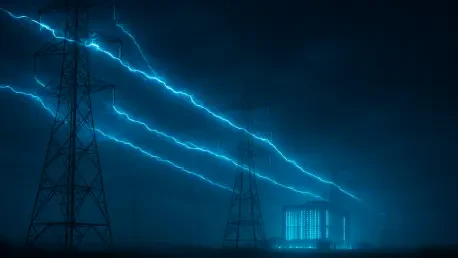
The unprecedented acceleration of the digital economy has reached a tipping point where the infrastructure powering our silicon intelligence is now outstripping the fundamental stability of the high-voltage transmission networks that sustain it. This rapid expansion of artificial intelligence and

Finland is increasingly referred to as the Texas of Europe because of its stable energy landscape and its openness to industrial-scale computing projects. This reputation has culminated in a landmark agreement between Google and the Loviisa nuclear power plant, signaling a definitive change in how